

Why Should Businesses Invest in Biogas Generators for Sustainable Power?
2025-08-11
In an era where sustainability is no longer a choice but a business imperative, the search for renewable energy solutions has intensified. Businesses across industries are under increasing pressure to reduce their carbon footprint, comply with environmental regulations, and cut long-term energy costs. Biogas generators have emerged as a compelling answer to these challenges, offering a way to produce electricity and heat from organic waste—turning a potential liability into a valuable energy resource. But what makes biogas generators a smart investment for forward-thinking businesses? Unlike fossil fuel-based generators, biogas systems provide a circular approach to energy production, addressing both waste management and power needs while aligning with global sustainability goals. This guide explores the unique benefits of biogas generators, their key features, detailed specifications of our industry-leading models, and answers to common questions to help businesses make informed decisions about adopting this eco-friendly technology.
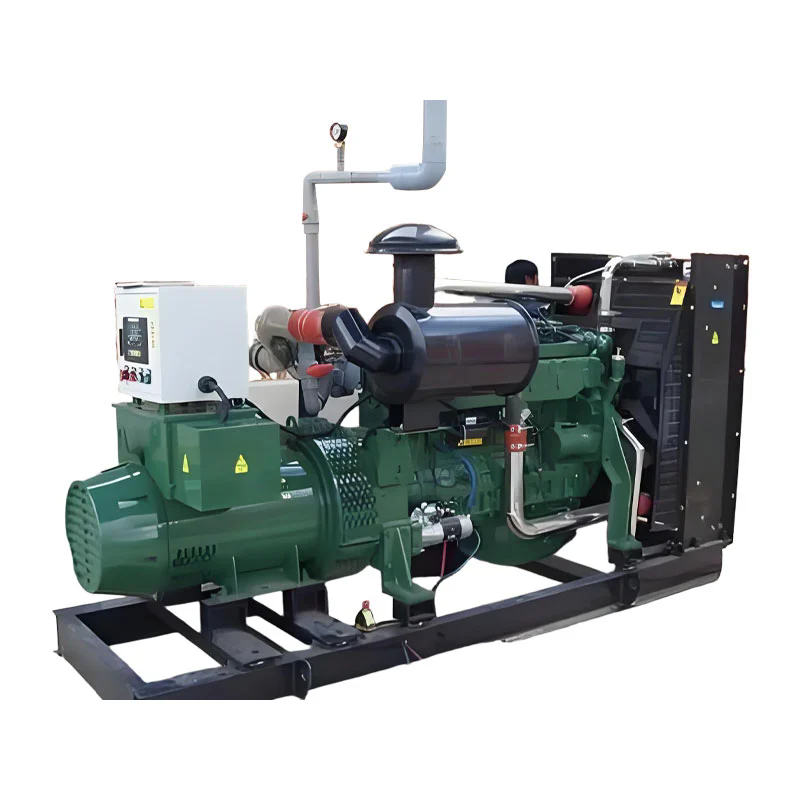
Trending News Headlines: Top Searches on Biogas Generators
- "Biogas Generators: Turning Farm Waste into Clean Energy"
- "How Biogas Systems Reduce Carbon Footprint for Manufacturing"
- "Small-Scale Biogas Generators: Ideal for Restaurants and Dairies"
These headlines reflect the versatility of biogas generators—from agricultural applications to industrial use—and their core appeal: sustainability, cost savings, and waste reduction. As more industries recognize the dual benefits of energy production and waste management, biogas generators are becoming a staple in green business strategies.
Why Biogas Generators Are a Smart Investment for Sustainable Businesses
Carbon-Neutral Energy Production
One of the most significant benefits of biogas generators is their carbon neutrality. The organic matter used in biogas production absorbs carbon dioxide (CO₂) during its growth, and when it decomposes in the generator, it releases the same amount of CO₂—creating a closed carbon cycle. In contrast, fossil fuels release ancient carbon stored underground, increasing atmospheric CO₂ levels and contributing to climate change. For businesses aiming to reduce their carbon footprint or achieve net-zero goals, biogas generators provide a tangible way to lower emissions while meeting energy needs. This is particularly valuable for industries with high waste output, such as agriculture, food processing, and hospitality, which can convert their own waste into clean energy.
Cost Savings on Energy and Waste Management
Biogas generators offer dual cost benefits: they reduce energy bills by providing on-site power and lower waste disposal costs by repurposing organic waste. For example, a dairy farm producing large amounts of manure can use a biogas generator to power its operations, reducing reliance on grid electricity. Similarly, a restaurant chain can convert food waste into energy, cutting both utility expenses and fees for waste hauling and landfilling. Over time, these savings can offset the initial investment in the generator, making biogas a financially viable option. Additionally, some regions offer incentives, such as tax credits or grants, for renewable energy systems, further enhancing the return on investment.
Energy Independence and Reliability
Biogas generators provide businesses with greater control over their energy supply, reducing dependence on the electrical grid and vulnerability to price fluctuations or outages. By producing energy on-site, businesses can ensure a consistent power source for critical operations—whether it’s a manufacturing plant needing uninterrupted production or a hospital requiring backup power. Biogas systems are also highly reliable, with minimal downtime when properly maintained. Unlike solar or wind energy, which depend on weather conditions, biogas production is consistent, as organic waste is generated year-round. This reliability makes biogas generators a stable complement to other renewable energy sources, ensuring a steady power supply regardless of external factors.
Waste Reduction and Circular Economy Alignment
Biogas generators play a key role in the circular economy by transforming organic waste into a valuable resource. Instead of sending waste to landfills—where it decomposes and releases methane (a potent greenhouse gas)—businesses can use it to produce energy, closing the loop on waste management. This not only reduces environmental impact but also enhances a company’s reputation as a sustainable and responsible entity. Consumers and stakeholders increasingly prioritize businesses that demonstrate a commitment to reducing waste and adopting circular practices, making biogas generators a strategic tool for brand enhancement. For example, a brewery using spent grain to power its operations can market this initiative to eco-conscious customers, strengthening brand loyalty.
Compliance with Environmental Regulations
As governments worldwide tighten environmental regulations, businesses face stricter limits on emissions, waste disposal, and carbon footprints. Biogas generators help companies comply with these regulations by reducing reliance on fossil fuels, lowering greenhouse gas emissions, and minimizing waste sent to landfills. For instance, the European Union’s Circular Economy Action Plan and the U.S. Environmental Protection Agency’s (EPA) regulations on landfill methane emissions incentivize businesses to adopt waste-to-energy solutions like biogas generators. By investing in biogas technology, businesses can avoid fines, meet regulatory targets, and position themselves as leaders in environmental stewardship.
Key Features to Look for in a Biogas Generator
Capacity and Power Output
Biogas generators are available in a range of sizes, from small-scale units (producing 5–50 kW) suitable for restaurants or small farms to large industrial systems (100 kW and above) for manufacturing plants or agricultural complexes. The power output depends on the volume of biogas produced, which is determined by the quantity and type of organic waste available. It’s essential to match the generator’s capacity to your waste supply and energy demands to ensure efficiency—an undersized unit may not meet power needs, while an oversized one could waste resources.
Anaerobic Digester Compatibility
The biogas generator works in tandem with an anaerobic digester, which breaks down organic waste to produce biogas. The generator must be compatible with the digester’s output, including biogas purity and flow rate. Some generators are designed to handle varying levels of methane (the primary component of biogas), while others require treated biogas with consistent quality. Look for generators with flexible fuel intake systems that can adapt to fluctuations in biogas composition, ensuring stable performance.
Efficiency and Heat Recovery
High-efficiency biogas generators convert a larger portion of biogas energy into electricity. Additionally, many models feature combined heat and power (CHP) systems, which capture waste heat from the generator and use it for heating or industrial processes (e.g., drying crops, heating buildings). CHP systems can increase overall energy efficiency to 80–90%, maximizing the value derived from biogas.
Durability and Maintenance Requirements
Biogas contains trace elements (such as hydrogen sulfide) that can corrode engine components over time. A high-quality generator should include corrosion-resistant materials (e.g., stainless steel parts, special coatings) to withstand these elements. Additionally, consider maintenance needs—models with easy access to components, automated monitoring systems, and durable filters reduce downtime and long-term upkeep costs.
Emissions Control
While biogas is a clean fuel, the generator’s exhaust system should minimize emissions of nitrogen oxides (NOₓ) and other pollutants. Look for models with advanced exhaust treatment systems (e.g., selective catalytic reduction) that meet strict emissions standards, such as the EPA’s Tier 4 regulations or the EU’s Stage V standards. This ensures compliance and reduces environmental impact.
Our Biogas Generator Specifications
|
Feature
|
Small-Scale Biogas Generator (BG-10)
|
Medium-Scale Biogas Generator (BG-50)
|
Large-Scale Biogas Generator (BG-200)
|
|
Power Output
|
10 kW (electrical) / 15 kW (thermal)
|
50 kW (electrical) / 75 kW (thermal)
|
200 kW (electrical) / 300 kW (thermal)
|
|
Biogas Consumption
|
15–20 m³/h (50–60% methane)
|
75–85 m³/h (50–60% methane)
|
300–350 m³/h (55–65% methane)
|
|
Compatible Waste Types
|
Food scraps, small animal manure
|
Agricultural waste, restaurant grease
|
Large-scale manure, industrial organic waste
|
|
Efficiency
|
35% (electrical) / 80% (CHP)
|
38% (electrical) / 85% (CHP)
|
40% (electrical) / 90% (CHP)
|
|
Engine Type
|
4-stroke, single-cylinder
|
4-stroke, 4-cylinder
|
4-stroke, 6-cylinder
|
|
Emissions Control
|
Catalytic converter
|
Selective catalytic reduction (SCR)
|
SCR + diesel oxidation catalyst (DOC)
|
|
Corrosion Resistance
|
Stainless steel exhaust, coated components
|
Stainless steel engine parts, acid-resistant filters
|
Titanium alloy components, advanced filtration system
|
|
Monitoring System
|
Basic digital display (biogas flow, temperature)
|
Advanced LCD with remote access (via app)
|
Industrial-grade SCADA system with real-time alerts
|
|
Dimensions (LxWxH)
|
180 x 120 x 150 cm
|
350 x 200 x 250 cm
|
600 x 350 x 400 cm
|
|
Weight
|
500 kg
|
2,500 kg
|
8,000 kg
|
|
Certification
|
EPA Tier 4, CE
|
EPA Tier 4, EU Stage V
|
EPA Tier 4 Final, ISO 14001
|
|
Warranty
|
2 years
|
3 years
|
5 years
|
All our biogas generators are engineered to work seamlessly with anaerobic digesters, ensuring efficient conversion of biogas into electricity and heat. They are built with high-quality materials to withstand the unique challenges of biogas fuel, and backed by our commitment to reliability and customer support.
FAQ: Common Questions About Biogas Generators