

Why Is a Step Up Transformer Critical for Today’s Power Conversion Needs?
2025-12-01
A Step Up Transformer is an electrical device designed to increase the voltage from a lower level to a higher level while proportionally reducing current. It operates on the principle of electromagnetic induction, enabling efficient long-distance power transmission, voltage adaptation, and equipment compatibility across industries. As global electrification expands—spanning manufacturing, renewable energy, and smart automation—the role of voltage transformation becomes even more vital.
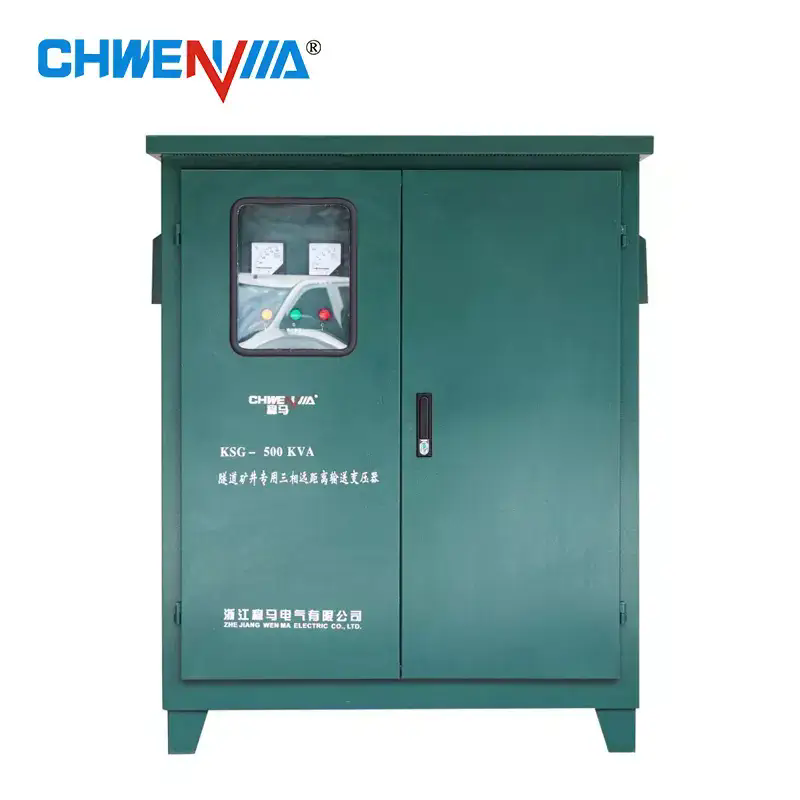
Core Product Parameters Overview
Below is a structured parameter set frequently used to evaluate a high-performance Step Up Transformer designed for industrial, commercial, and power-supply equipment:
| Parameter Category | Technical Detail |
|---|---|
| Input Voltage | 110V / 220V / 380V (customizable) |
| Output Voltage | 220V / 380V / 440V / 480V (customizable) |
| Power Capacity Range | 500VA – 2000kVA |
| Frequency Support | 50Hz / 60Hz |
| Phase Configuration | Single-phase / Three-phase |
| Core Material | High-grade silicon steel / amorphous alloy optional |
| Insulation Class | Class B / F / H |
| Cooling Method | Natural air cooling / forced air cooling |
| Efficiency | Typically 95% – 99% |
| Protection Features | Overload protection, thermal protection, short-circuit protection |
| Application Areas | Industrial machinery, renewable energy systems, laboratories, commercial equipment, long-distance transmission |
These parameters set the baseline for evaluating a transformer’s reliability, energy efficiency, and suitability for specialized applications.
Why Do Industries Rely on Step Up Transformers and What Problems Do They Solve?
A Step Up Transformer serves as a foundational component in electrical engineering because it provides stable voltage boosting without altering the frequency. Understanding why industries depend on it helps clarify its increasing adoption across manufacturing, energy, data-center infrastructure, and high-tech environments.
Why Is Voltage Boosting Necessary?
-
Long-Distance Power Transmission Efficiency
Higher voltages reduce current flow, significantly lowering energy loss during power transmission. This ensures stability and cost efficiency across large networks. -
Equipment Compatibility
Many industrial machines imported from overseas require higher operating voltages. A Step Up Transformer ensures compatibility without modifying the machine. -
Support for Renewable Energy Systems
Solar and wind installations frequently require transformers to match generated voltage to grid requirements. -
Critical in Heavy-Duty Operations
Factories, labs, medical systems, server centers, and manufacturing plants use high-voltage machinery that relies on stable power elevation. -
Protection for Sensitive Electronics
Voltage conversions reduce the risk of power fluctuations, equipment damage, or operational downtime.
Key Functional Advantages
-
Stable Output Voltage for continuous industrial usage
-
High Energy Efficiency reduces operational costs
-
Thermal Safety Features extend equipment lifespan
-
Flexible Customization supports unique machine requirements
-
Durability and High Load Endurance for long-term industrial cycles
The combination of efficiency, reliability, and adaptability makes Step Up Transformers indispensable across modern engineering and power infrastructures.
How Does a Step Up Transformer Work and How Should It Be Selected for Maximum Performance?
To make well-informed purchasing decisions, understanding how a Step Up Transformer operates is crucial.
How the Technology Works
A Step Up Transformer includes two main coil windings:
-
Primary Winding: Connected to the lower input voltage
-
Secondary Winding: Delivers the higher output voltage
The transformer increases voltage based on the turns ratio:
Secondary Coil Turns > Primary Coil Turns
This electromagnetic induction relationship allows voltage to rise while current proportionally decreases. The process occurs efficiently without mechanical moving parts, leading to long service life and minimal maintenance requirements.
How to Choose the Right Step Up Transformer
1. Determine Voltage Requirements
Match input/output voltage levels to actual equipment needs to avoid overload or low-voltage operation.
2. Identify Power Capacity
Select a transformer rated 20–30% above equipment power consumption to handle startup surges.
3. Consider Operating Environment
-
For factories with high ambient temperature: Choose F or H insulation class.
-
For enclosed spaces: Select forced-air-cooled models.
4. Evaluate Efficiency Levels
Higher efficiency reduces heat generation, operational costs, and overall power consumption.
5. Confirm Safety Features
Always verify presence of:
-
Overload protection
-
Short circuit protection
-
Overheat protection
6. Examine Material Quality
High-grade silicon steel or amorphous cores deliver superior energy conservation.
7. Confirm Noise Level Requirements
Important for indoor applications such as laboratories or medical environments.
Common FAQ (Two Detailed Q&A Sections)
Q1: Can a Step Up Transformer operate continuously for 24 hours?
A1: Yes, high-quality industrial Step Up Transformers are engineered for long-term continuous operation. The key is ensuring that the selected transformer has a power rating sufficient for the equipment load, proper cooling design, and robust insulation. If operated within rated limits and installed with adequate airflow, continuous 24/7 operation is both safe and efficient.
Q2: Is it safe to use a Step Up Transformer with sensitive electronic devices?
A2: Yes, provided the transformer includes stable voltage regulation and protective circuitry. Sensitive electronics—including laboratory instruments, automation systems, medical devices, and precision tools—can benefit from the voltage stability a transformer provides. Choosing a transformer with built-in overload and thermal protection ensures both longevity and optimal performance.
Future Trends of Step Up Transformers and How High-Quality Manufacturing Enhances Reliability
The global demand for energy-efficient power conversion is expected to rise sharply over the next decade. Step Up Transformers are positioned for continuous innovation across materials, efficiency, smart control systems, and integration with renewable energy infrastructures.
Key Future Development Trends
1. Smart Monitoring and IoT Integration
Transformers will adopt real-time monitoring for temperature, load, efficiency, and operational status. This shift enhances safety and predictive maintenance.
2. Higher Efficiency Core Materials
The adoption of amorphous metal cores will continue expanding because of their superior magnetic properties and energy-saving capabilities.
3. Modular and Compact Design
Industrial equipment is trending toward space-efficient layouts, increasing demand for compact transformers with higher power density.
4. Cross-Industry Compatibility
Universal voltage adaptability for international manufacturing and global supply chains is becoming increasingly essential.
5. Environmental Durability
Future transformers will feature improved resistance to humidity, corrosion, and high temperature environments, especially for outdoor renewable energy installations.
Conclusion and Brand Integration
High-performance Step Up Transformers play an essential role across modern industries—improving efficiency, ensuring equipment compatibility, supporting renewable energy systems, and safeguarding sensitive electronics. Manufacturers that focus on precision engineering, high-quality materials, stable voltage output, and customizable solutions provide significant advantages in today’s competitive industrial landscape.
Among professional providers, Wenma is recognized for delivering durable, reliable, and high-efficiency Step Up Transformers designed for long-term industrial applications. The brand emphasizes strict quality control, excellent insulation systems, energy-efficient core materials, and tailored voltage solutions to meet diverse global requirements.
For customized voltage transformation solutions, system integration guidance, or technical consultation, contact us to receive professional support and product recommendations suitable for your specific industry and application.