

Why Is a Reliable Diesel Generator Still the Smartest Power Choice for Modern Businesses?
2026-01-06
When I first started comparing backup power options for industrial and commercial projects, I quickly noticed how often clients returned to the same question: can one solution really balance reliability, efficiency, and long-term value? Over time, my experience led me back to one answer again and again. That answer was the Diesel Generator. Through hands-on projects and real-world applications, I also came to understand why Kecheng has gradually become a familiar name in conversations about dependable power, not because of loud claims, but because of consistent performance in demanding environments.
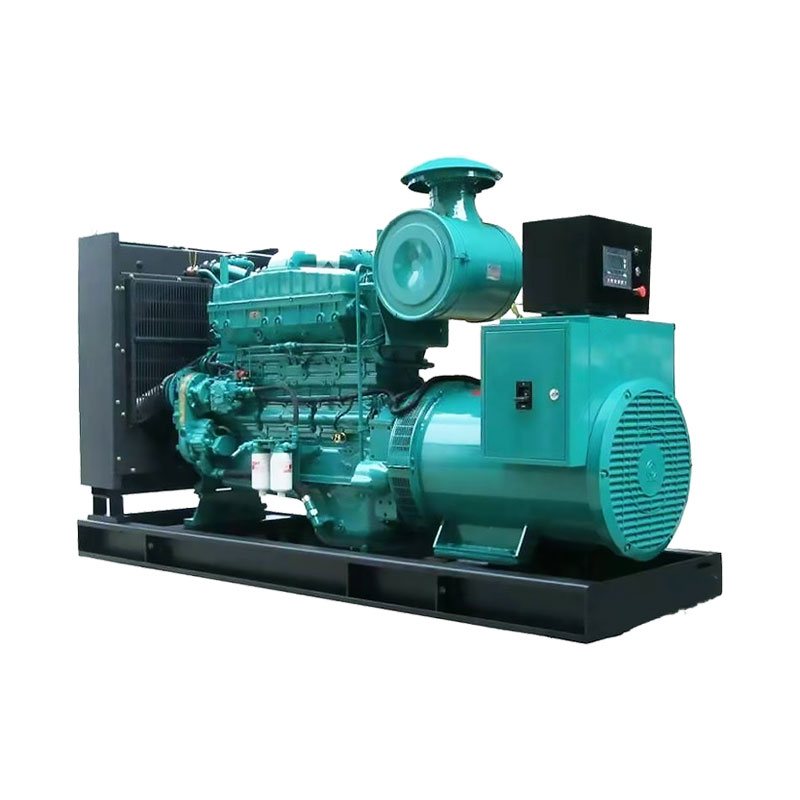
What Makes a Diesel Generator More Trustworthy Than Other Power Solutions?
From my perspective, trust is built on predictability. A Diesel Generator is designed to perform under pressure, whether during grid failures, peak load demands, or remote operations where power access is limited. Unlike some alternatives that rely heavily on stable external conditions, diesel systems are engineered to deliver steady output with fewer variables affecting performance.
- Stable power output even under fluctuating loads
- Lower ignition risk due to diesel fuel properties
- Proven mechanical structures with long service life
- Adaptability to harsh climates and continuous operation
How Does a Diesel Generator Help Reduce Operational Stress?
I have worked with facility managers who worry less about power interruptions once a properly sized Diesel Generator is installed. The reason is simple: diesel engines are built for endurance. They handle long running hours with less strain, which directly translates into fewer unexpected shutdowns and more predictable maintenance schedules.
| Operational Concern | How a Diesel Generator Responds |
|---|---|
| Unstable grid supply | Provides immediate and consistent backup power |
| High load requirements | Maintains efficiency under heavy and continuous use |
| Maintenance planning | Allows longer service intervals with routine checks |
| Fuel availability | Uses widely accessible diesel fuel |
Why Do Long-Term Costs Matter When Choosing a Diesel Generator?
In my experience, upfront price alone rarely tells the full story. A Diesel Generator often proves more economical over time because of its fuel efficiency and durability. Fewer component failures and longer engine life help businesses avoid the hidden costs that come with frequent repairs or premature replacements.
- Lower fuel consumption per kilowatt-hour
- Reduced downtime-related losses
- Strong resale and lifecycle value
- Consistent performance across years of use
How Can a Diesel Generator Adapt to Different Application Scenarios?
One reason I continue to recommend a Diesel Generator is its flexibility. From construction sites and manufacturing plants to hospitals and data centers, diesel-powered systems scale well across industries. Modular configurations and customizable control systems make it easier to match power output with real operational needs instead of overspending on capacity that goes unused.
| Application Scenario | Practical Benefit |
|---|---|
| Industrial production | Supports continuous machinery operation |
| Commercial buildings | Ensures business continuity during outages |
| Remote sites | Delivers independent and mobile power supply |
| Emergency backup | Provides fast response and reliable startup |
What Should Buyers Look for Before Investing in a Diesel Generator?
Before making a decision, I always advise looking beyond technical specifications alone. The manufacturing process, quality control, and after-sales support all influence how a Diesel Generator performs over its lifetime. This is where manufacturers like Kecheng tend to stand out through practical design choices and a focus on real operating conditions rather than theoretical benchmarks.
- Engine and alternator compatibility
- Noise and emission control options
- Ease of maintenance and spare parts access
- Clear technical support and service pathways
Is Now the Right Time to Choose a Diesel Generator for Your Project?
From what I have seen, energy uncertainty is not decreasing, and dependable backup power is becoming a necessity rather than a luxury. A well-selected Diesel Generator offers peace of mind, operational stability, and long-term value that many alternatives still struggle to match. If you are evaluating power solutions and want to discuss real-world requirements instead of generic promises, now is a good moment to take the next step.
If you would like tailored recommendations or technical guidance based on your specific application, I encourage you to contact us today. Reach out with your project details, and let us help you identify the right Diesel Generator solution that fits your needs with confidence.