

Why Is a Diesel Generator Still the Most Reliable Power Choice for Real-World Demands?
2026-01-27
When I started evaluating backup and prime power solutions for industrial and commercial projects, I quickly realized that reliability is not just a technical term—it is a business safeguard. That was when I began working closely with Shandong Kecheng Electric Power Equipment Co., Ltd., a manufacturer whose engineering approach aligns with how end users actually consume power. In many of these projects, a Diesel Generator was not an optional upgrade but a necessity driven by uptime, fuel efficiency, and long-term operating stability.
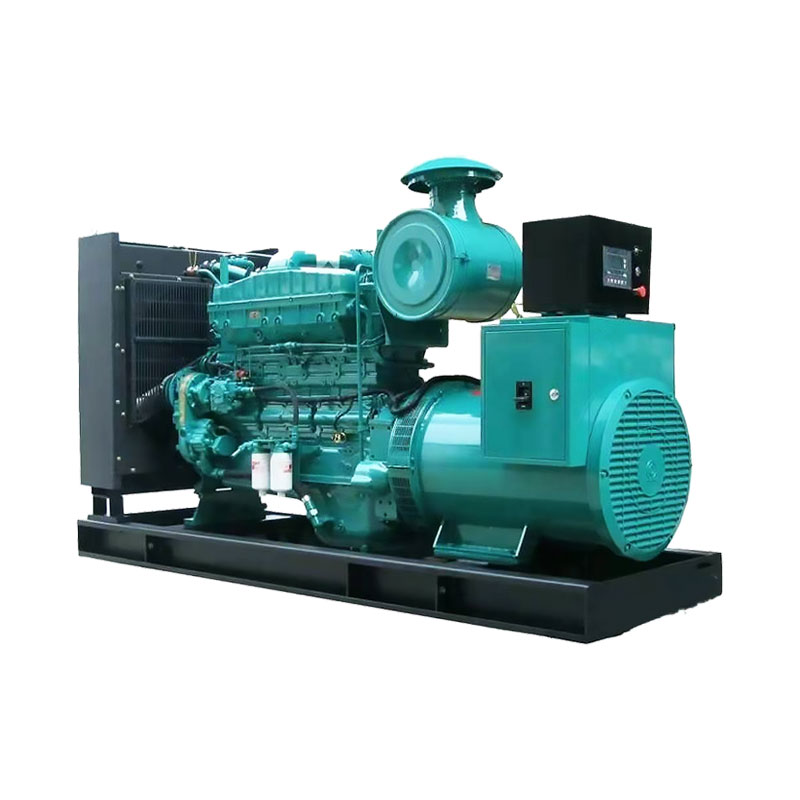
What Practical Problems Does a Diesel Generator Solve in Daily Operations?
From my experience, power interruptions rarely announce themselves in advance. Manufacturing lines, data centers, construction sites, and hospitals all face costly risks when electricity becomes unstable. A Diesel Generator directly addresses these challenges by providing dependable on-demand power that does not rely on grid recovery times.
- It delivers immediate startup during unexpected outages.
- It maintains voltage stability under heavy or fluctuating loads.
- It operates independently from regional grid failures.
- It supports both emergency backup and continuous prime power use.
These advantages explain why I consistently recommend a Diesel Generator for operations where downtime translates directly into financial loss or safety concerns.
How Does Diesel Power Compare with Other Generator Technologies?
Clients often ask me whether diesel still makes sense compared to gas or hybrid systems. The answer depends on usage patterns, but in high-load or long-duration scenarios, diesel technology remains difficult to replace.
| Comparison Factor | Diesel Generator | Gas Generator | Battery-Based System |
|---|---|---|---|
| Fuel Efficiency at High Load | High and stable | Moderate | Limited by storage |
| Continuous Runtime | Suitable for long durations | Fuel supply dependent | Short to medium |
| Durability | Designed for heavy-duty use | Medium-duty | Component aging risk |
| Maintenance Predictability | Clear service intervals | Moderate | Battery degradation varies |
For customers who value predictable performance over long operating cycles, a Diesel Generator continues to stand out as a balanced and proven solution.
Why Does Engine Quality Matter More Than Just Rated Power?
One mistake I often see is focusing only on kilowatt ratings. In reality, the internal engine design, cooling efficiency, and control systems determine how a generator behaves under stress. This is where manufacturers like Shandong Kecheng Electric Power Equipment Co., Ltd. make a measurable difference by optimizing component matching rather than chasing inflated specifications.
- Stable combustion reduces fuel waste during partial loads.
- Efficient cooling extends engine lifespan.
- Smart control panels simplify monitoring and fault diagnosis.
- Noise and vibration management improves on-site working conditions.
These details may not be obvious on a product sheet, but they define whether a Diesel Generator remains dependable after years of real operation.
What Should Buyers Consider Before Choosing a Diesel Generator?
Before finalizing a purchase, I usually advise customers to think beyond initial cost. The total ownership experience includes installation environment, fuel logistics, service access, and future scalability.
- Assess whether the generator will run as standby or prime power.
- Confirm local emissions and noise compliance requirements.
- Evaluate ease of maintenance and spare parts availability.
- Plan capacity with realistic load growth in mind.
A well-selected Diesel Generator should integrate smoothly into daily operations rather than becoming an isolated piece of equipment.
Is a Diesel Generator Still a Smart Long-Term Investment?
Based on the projects I have worked on, the answer remains yes. Diesel technology continues to evolve in efficiency and control while retaining its core strength—reliable power delivery under demanding conditions. When paired with solid manufacturing standards and practical engineering, it offers a dependable return on investment.
If you are evaluating power solutions and want to understand whether a Diesel Generator fits your specific application, I recommend reaching out directly for technical discussion. Contact us to share your requirements, request detailed specifications, or explore customized configurations that align with your operational goals.