

Why Are More Energy Planners Turning to Biogas Generator Solutions for Reliable Power?
2026-01-21
When I first started working closely with renewable power projects, I noticed a recurring frustration among operators who relied on unstable grid access or high diesel costs. That was also how I came to understand the practical value behind Shandong Kecheng Electric Power Equipment Co., Ltd. and its approach to the Biogas Generator market. Instead of pushing abstract sustainability slogans, the focus stayed on one question I kept hearing from clients: how do we turn waste gas into dependable, controllable electricity without constant downtime?
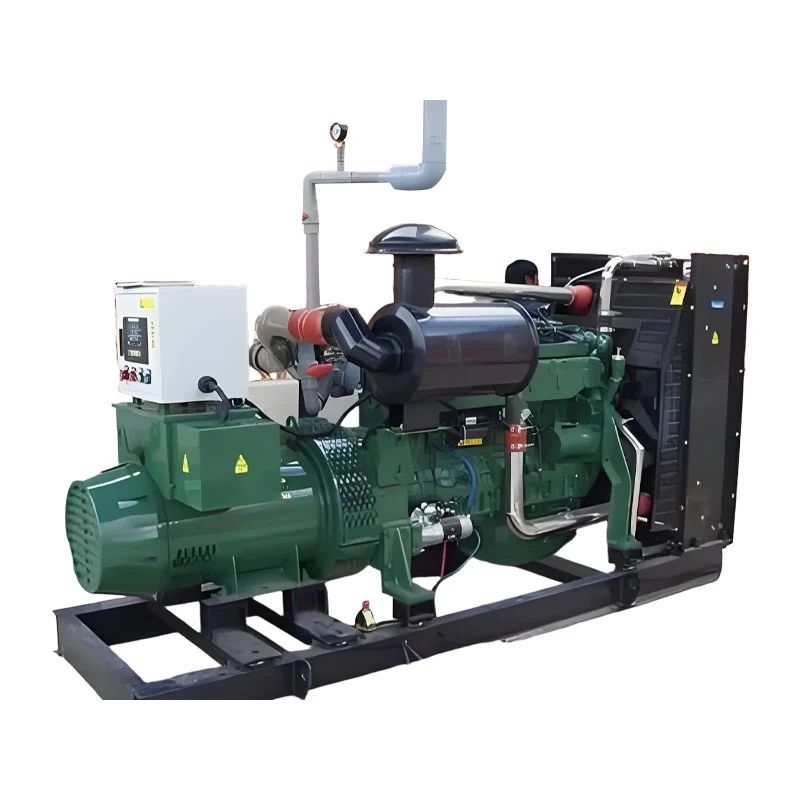
What Makes a Biogas Generator a Practical Choice Rather Than Just a Green Concept?
From my perspective, the appeal of a Biogas Generator is not limited to environmental benefits. Many of the customers I speak with are motivated by operational stability and long-term cost control. Biogas, when properly treated and managed, becomes a predictable fuel source rather than a variable expense.
- I can reduce dependence on diesel deliveries in remote or rural locations.
- I gain better control over fuel costs by using locally produced biogas.
- I maintain continuous power generation for farms, landfills, and wastewater plants.
These advantages explain why a Biogas Generator is increasingly viewed as core infrastructure rather than an experimental add-on.
How Does a Biogas Generator Address the Reliability Concerns Operators Often Face?
One of the biggest concerns I hear is reliability under fluctuating gas quality. In real-world conditions, biogas composition is rarely stable. That is where design decisions become critical. A well-engineered Biogas Generator must adapt to changes in methane concentration without sacrificing performance or engine life.
| Operational Challenge | How It Is Typically Addressed |
|---|---|
| Variable methane content | Engine tuning optimized for wide gas concentration ranges |
| Corrosive gas impurities | Improved filtration and material selection |
| Unstable load demand | Governor systems designed for rapid response |
From my experience, these technical details are not optional. They directly influence uptime, maintenance intervals, and overall return on investment.
Why Do Cost-Conscious Projects Still Invest in a Biogas Generator Instead of Cheaper Alternatives?
At first glance, some decision-makers hesitate when comparing initial equipment costs. I often walk them through a broader cost picture. A Biogas Generator is not just a power unit; it is a system designed for long-term operation.
- I spend less on fuel procurement over time.
- I reduce penalties or losses linked to biogas flaring.
- I benefit from stable power output that supports core operations.
When these factors are evaluated together, the economic case becomes clearer, especially for facilities already producing biogas as a byproduct.
How Does a Biogas Generator Fit Into Modern Energy and Compliance Requirements?
Energy regulations and environmental standards continue to tighten. From what I have observed, projects that integrate a Biogas Generator early are often better positioned to adapt. Utilizing waste gas for power generation helps align operational goals with regulatory expectations without adding unnecessary complexity.
This alignment is particularly valuable for agricultural operations, municipal treatment plants, and industrial sites where energy efficiency and emissions control are increasingly scrutinized.
Is a Biogas Generator the Right Long-Term Power Strategy for Your Operation?
Every project has unique constraints, but the core questions tend to be the same. Can I secure stable power? Can I control costs? Can I meet environmental expectations without compromising reliability? In many cases, a Biogas Generator offers a balanced answer to all three.
If you are evaluating options or planning a new energy system, I strongly recommend discussing your specific requirements in detail. To explore whether this solution fits your project goals, feel free to contact us and share your application details. A direct conversation often reveals opportunities that are not obvious on paper.