

Why Are DC Operating Power Systems Becoming Critical for High-Performance Industrial Applications?
2025-11-27
DC Operating Power Systems are increasingly recognized as the backbone of modern industrial automation, power conversion, and high-reliability equipment. These systems deliver stable direct current output, support mission-critical loads, and maintain consistent performance even in harsh operating environments.
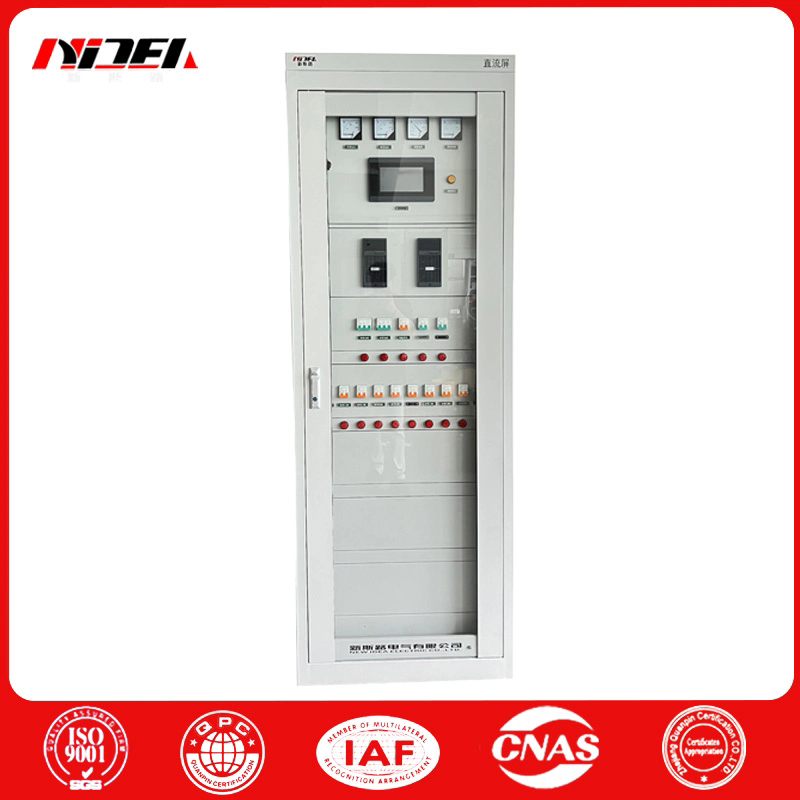
What Defines a DC Operating Power System and Why Does It Matter?
A DC Operating Power System is an engineered power solution designed to convert AC input into regulated DC output across a wide range of voltages and currents. Its importance lies in its ability to protect sensitive electrical components, stabilize voltage fluctuations, and extend equipment lifespan. Industries rely on DC power systems because they provide predictable energy delivery, fast response to load changes, and compatibility with advanced automation technologies.
Most DC Operating Power Systems are built for long-term operation in manufacturing, rail transit, telecommunications, energy storage control, power plants, and automotive testing environments. The advantages include improved efficiency, reduced downtime, minimized equipment wear, and streamlined energy distribution.
To provide technical clarity, below is a consolidated professional table of product parameters commonly offered in advanced DC Operating Power Systems.
Product Parameters Overview
| Parameter Category | Specification |
|---|---|
| Input Voltage Range | AC 110V / 220V / 380V / 480V ±10% |
| Output Voltage Options | 12V / 24V / 36V / 48V / 72V / 110V / 220V DC |
| Output Power Capacity | 1 kW – 500 kW (customizable) |
| Output Accuracy | ≤±1% voltage regulation |
| Ripple & Noise | ≤1% peak-to-peak |
| Efficiency | 90%–96% depending on model |
| Protection Features | Overload, short-circuit, over-temperature, input surge, output reverse polarity |
| Cooling Method | Forced air cooling / Intelligent fan / Liquid cooling for high-power units |
| Operating Temperature | –20°C to +70°C |
| Communication Interface | RS485, CAN bus, Ethernet, MODBUS optional |
| Mounting Options | Rack-mount, wall-mount, cabinet-integrated |
| Certifications | CE, UL, ISO9001, RoHS depending on model |
These parameters allow engineers to match the system precisely to load demands, environmental conditions, and long-term operational expectations.
Why Do Industries Prefer DC Operating Power Systems Over Other Solutions?
Because They Ensure Voltage Stability Under Variable Loads
Many industrial machines experience rapid load fluctuations. An unstable power supply may trigger shutdowns, calibration drift, or equipment failure. DC Operating Power Systems maintain tightly regulated DC output, ensuring consistent voltage delivery even when the load changes suddenly.
Because They Reduce Energy Loss and Improve Efficiency
Traditional power units often lose energy through heat and low-efficiency conversion stages. High-quality DC systems achieve up to 96% efficiency through optimized circuit architecture, low-loss components, and intelligent power management algorithms.
Because They Enhance Safety Through Advanced Protection
Protection functions guard both the power system itself and connected equipment from electrical hazards. This is critical for industries that require uninterrupted operation and strict safety compliance.
Because They Support Digital Monitoring and Intelligent Control
Modern factories require smart power management. A DC Operating Power System equipped with RS485, CAN, or Ethernet allows real-time monitoring, remote fault diagnosis, and automated load distribution.
How Do DC Operating Power Systems Improve System Reliability and Operational Efficiency?
By Delivering Clean, Low-Ripple DC Output
Low ripple and noise are essential for equipment such as PLC controls, sensors, electrochemical processing, industrial testing, and laboratory instruments. A stable DC source prevents measurement interference and ensures precision performance.
By Minimizing Downtime Through Continuous Operation Design
The internal engineering of these power systems supports 24/7 operation. High-efficiency cooling systems, durable components, and protective circuitry enable long operating lifespans with minimal maintenance.
By Offering Scalable and Modular Design Options
Modular DC power units allow industries to scale output as demands increase. They can be installed:
-
As single units
-
In parallel configuration
-
As part of a customized multi-module cabinet
This scalability makes DC power systems cost-effective and future-proof.
By Allowing Integration With Renewable Energy and Smart Grids
Future-forward industries are transitioning to intelligent energy infrastructures. DC Operating Power Systems support hybrid configurations involving:
-
Solar DC power
-
Battery energy storage
-
Industrial DC microgrids
This compatibility makes them a long-term strategic investment.
What Future Trends Are Defining the Evolution of DC Operating Power Systems?
Increasing Adoption of Intelligent Digital Power Management
Monitoring software will integrate more deeply with industrial automation platforms, enabling predictive maintenance and AI-driven optimization. Systems will automatically adjust output based on load behavior, environmental conditions, and energy usage patterns.
Higher Power Density and More Compact Designs
Advances in wide-bandgap semiconductors, such as SiC and GaN, will enable smaller designs with higher efficiency, lower heat loss, and more compact integration options.
Stronger Sustainability Requirements
As industries push toward greener manufacturing, DC systems will adopt even higher efficiency ratings and more environmentally friendly materials.
Broader Application in Transportation Electrification
DC Operating Power Systems will play a major role in:
-
EV testing and validation
-
Railway traction systems
-
Aviation power supply simulation
-
Marine DC grid applications
This expanding application range reflects the robust demand for stable and configurable DC energy.
Common Questions About DC Operating Power Systems
Q1: What factors should be considered when selecting a DC Operating Power System?
A: Selection should be based on output voltage accuracy, load type, required power capacity, cooling method, safety protection, operational environment, mounting style, and communication interfaces. Long-term total cost of ownership, reliability rating, and energy efficiency should also be evaluated. The system must match both current application needs and future expansion requirements.
Q2: How does a DC Operating Power System protect equipment from electrical damage?
A: It uses multi-layer protection mechanisms including overload protection to prevent excessive current draw, short-circuit protection to stop internal or external faults, surge protection to neutralize high-voltage spikes, over-temperature protection to prevent overheating, and reverse polarity protection to avoid incorrect wiring damage. These safeguards ensure both operational safety and extended equipment lifespan.
Conclusion: Why DC Operating Power Systems Represent a Strategic Investment
DC Operating Power Systems provide stable performance, enhanced energy efficiency, advanced digital control, and long-term reliability across a wide range of industrial sectors. They enable clean and regulated power delivery, support modern intelligent manufacturing, and prepare enterprises for future expansions involving renewable energy, automation upgrades, and smart grid integration.
For industries searching for high-quality DC power solutions backed by strong engineering expertise, New Idea Electric Co., Ltd. provides durable and customizable systems designed to meet demanding operational requirements. To explore tailored solutions or request technical consultation, please contact us for more information.