

Why Are Air Solenoid Valves Transforming Industrial Automation?
2025-11-27
Air solenoid valves play a central role in modern pneumatic systems, acting as the critical switching component that converts electrical signals into precise mechanical airflow control. These compact, high-response devices are designed to regulate compressed air paths with accuracy, ensuring stable performance across manufacturing, automotive, energy, medical, and packaging industries.
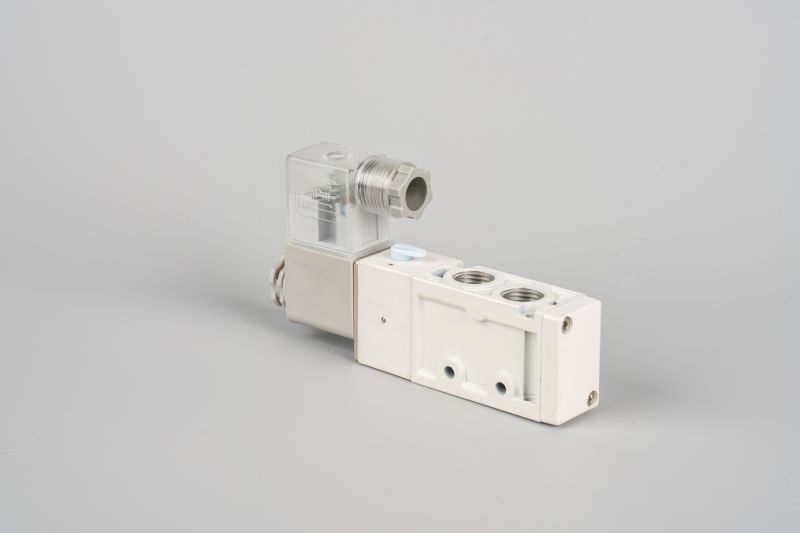
What Defines an Air Solenoid Valve and Why Does It Matter in Pneumatic Systems?
Air solenoid valves are electrically controlled valves that direct airflow through pneumatic systems. When energized, the solenoid coil creates a magnetic field that actuates a plunger to switch internal valve positions. This simple yet powerful mechanism controls cylinders, actuators, air tools, conveyors, robotic grippers, sorting machines, and more.
Why These Valves Are Important
Air solenoid valves determine:
-
How fast a pneumatic system responds
-
How precisely airflow is regulated
-
How safely and efficiently equipment operates
-
How stable automation remains under continuous use
Industries rely on them because they offer rapid switching, low cost, long life cycles, and compatibility with a wide range of air-powered machinery.
Key Product Parameters and Technical Specifications
The following table represents standard high-performance air solenoid valve parameters used across industrial pneumatic systems:
| Specification Category | Parameter Details |
|---|---|
| Valve Type | 2/2-way, 3/2-way, 4/2-way, 5/2-way, 5/3-way |
| Body Materials | Aluminum alloy, brass, stainless steel, engineering plastics |
| Sealing Materials | NBR, EPDM, Viton |
| Port Sizes | 1/8", 1/4", 3/8", 1/2", 3/4", 1" |
| Operating Pressure Range | 0–0.8 MPa (standard), optional high-pressure variants |
| Coil Voltage Options | DC12V, DC24V, AC110V, AC220V |
| Temperature Range | –10°C to 80°C (depending on seal type) |
| Response Time | <20 ms (fast switching design) |
| Duty Cycle | 100% continuous |
| Flow Rate | 200–4000 L/min depending on model |
| Mounting | Modular, manifold, direct piping |
| Protection Class | IP65/IP67 optional waterproof & dustproof |
These parameters ensure compatibility with industrial demands, high flow efficiency, and long-term stability under continuous workload conditions.
Why Are Air Solenoid Valves Critical to Efficiency, Safety, and Automation Growth?
Why Do Companies Prefer Pneumatic Control Through Solenoid Valves?
Air solenoid valves provide advantages that make them essential to production lines:
Core Advantages
-
Fast Switching Performance
Enables precise control of high-speed machinery and improves cycle times. -
Low Energy Consumption
Efficient coil structures reduce power usage and heat generation. -
High Durability & Reliability
Engineered for millions of cycles without mechanical failure. -
Clean and Safe for Sensitive Environments
Unlike hydraulic systems, air valves avoid oil contamination and leakage risks. -
Easy Installation and Modular Integration
Ideal for manifold systems and compact equipment layouts. -
Cost-Effective Maintenance
Replacement parts are inexpensive and downtime is minimal.
How Air Solenoid Valves Enhance System Stability
Air solenoid valves ensure:
-
Precise timing for robotic movements
-
Stable airflow for consistent actuator control
-
Protection from overpressure conditions
-
Safe shutdown in emergencies
-
Reliable operation under harsh environments
This is why industries like automotive assembly, semiconductor manufacturing, and medical equipment depend heavily on high-quality solenoid valves.
How Do Air Solenoid Valves Operate and What Factors Influence Their Performance?
Air solenoid valves follow a simple yet highly effective operational structure:
How They Work
-
Electrical Signal Received:
A voltage input energizes the coil. -
Magnetic Field Created:
The coil magnetically lifts or shifts an internal plunger. -
Valve Path Changes:
Air flows through newly opened ports while others close. -
Signal Removal:
Spring force resets the valve to its original position.
This mechanism determines airflow direction, pressure, and volume inside pneumatic systems.
Factors That Influence Valve Performance
1. Coil Quality
A stable coil ensures consistent actuation and avoids overheating.
2. Sealing Materials
Better seals prevent leakage and withstand temperature/chemical exposure.
3. Flow Path Design
Optimized internal structures reduce resistance and increase flow rate.
4. Pressure Tolerance
Higher pressure capability results in more stable system operation.
5. Environmental Protection
IP65–IP67 ratings protect against dust, moisture, oil mist, and vibration.
6. Duty Cycle & Heat Dissipation
Valves used for continuous automation must maintain 100% duty cycle capability.
Common Applications
-
Pneumatic cylinders
-
Robotic grippers
-
Pick-and-place equipment
-
Packaging lines
-
Food processing machines
-
Air compressors
-
Medical devices
-
Sorting systems
-
Textile machinery
Across these applications, air solenoid valves help ensure accuracy, efficiency, and safe operation.
What Future Trends Will Shape the Next Generation of Air Solenoid Valves?
The pneumatic industry is entering a phase of rapid innovation. Several key trends are emerging:
1. Smart Valves With Sensors
Valves will integrate temperature, pressure, and cycle-count sensors to provide real-time monitoring.
2. Predictive Maintenance Integration
AI-supported systems (without user visibility) will allow factories to predict failures before they occur.
3. Higher Energy Efficiency
Low-power coils and friction-reduced designs will reduce factory electrical costs.
4. More Durable Materials
Advanced polymers, corrosion-resistant alloys, and improved sealing techniques will extend product lifespan.
5. Miniaturization for Compact Automation
Small high-flow valves will support lightweight robotic and micro-automation equipment.
6. Modular & Manifold Innovations
Plug-and-play pneumatic blocks will reduce installation time and simplify maintenance.
These trends indicate that air solenoid valves will continue to evolve into smarter, more efficient, and more durable components.
Frequently Asked Questions About Air Solenoid Valves
Q1: How to choose the correct air solenoid valve model for an application?
A: Selection should be based on operating pressure, flow rate requirements, coil voltage, environmental conditions, media type (air or special gases), port size, and duty cycle. For high-speed automation, choose fast-response coils and high-flow internal structures. For humid or dusty environments, ensure IP65 or higher protection. When using manifold systems, verify compatibility with mounting interface and flow capacity.
Q2: What causes an air solenoid valve to stop working or fail prematurely?
A: Common causes include coil overheating, incorrect voltage selection, worn sealing components, contaminated air supply, excessive moisture, insufficient lubrication in upstream devices, vibration exposure, and foreign particles entering the valve body. Regular air filtration, proper voltage control, and timely seal replacement are effective methods to extend valve life.
Why High-Quality Air Solenoid Valves Matter and Where to Find Reliable Solutions
Air solenoid valves are indispensable components in pneumatic control systems, ensuring precise airflow regulation, rapid switching, and stable operation across high-demand industries. As automation continues to expand globally, these valves will play an increasingly important role in enabling intelligent manufacturing, energy-efficient operation, and improved safety performance. Future advancements will further enhance their durability, monitoring capability, and integration flexibility, allowing industries to achieve higher output and reliability.
For companies seeking reliable, high-performance valve solutions, Qimao provides a full range of air solenoid valves engineered for efficiency, durability, and compatibility with modern automation systems. To obtain customized specifications, technical support, or bulk quotations, contact us for professional assistance and product guidance.