

What Motorcycle Stator Coil?
2026-01-08
Summary: This article explores motorcycle stator coils: how they work, why they fail, how to diagnose issues, and best practices for maintenance and replacement. Whether you’re a rider, mechanic, or parts buyer, this resource addresses common pain points associated with stator coil performance and reliability.
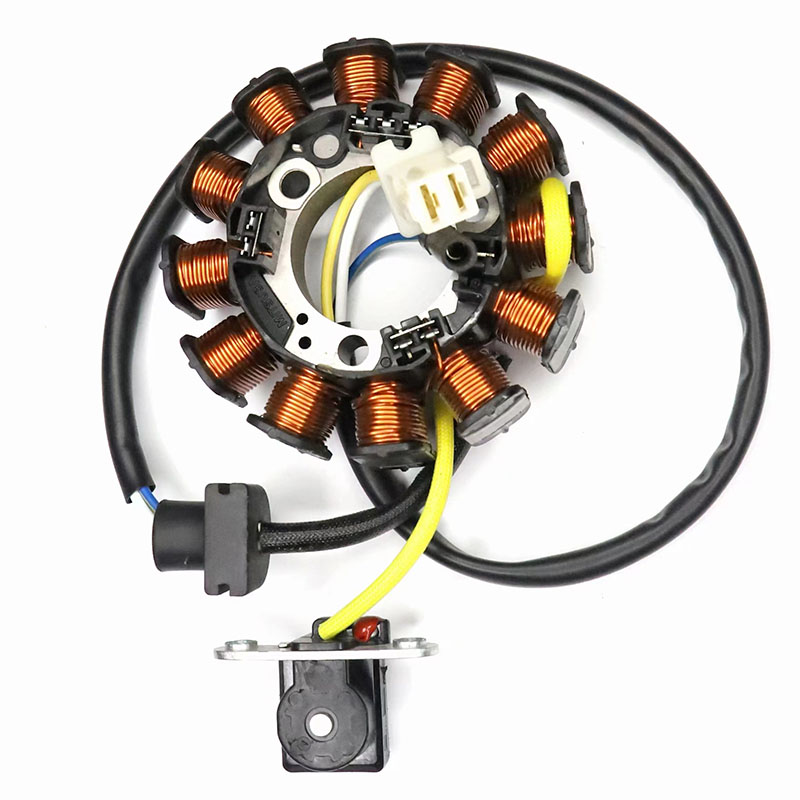
Table of Contents
1. Overview: What is a Motorcycle Stator Coil?
The motorcycle stator coil is a critical electrical component located in the engine crankcase. It is responsible for generating alternating current (AC) as the engine runs, feeding power to the motorcycle’s battery and electrical systems. In many motorcycles, the stator coil works together with the rotor to produce the electrical output necessary for ignition, lighting, and charging.
Despite its importance, riders often overlook stator maintenance until issues manifest as electrical failures or battery drain. Understanding the basics of the stator coil sets the stage for diagnosing and resolving related problems effectively.
2. Function and Importance
At its core, the stator coil is part of the motorcycle’s charging system. When the engine spins the rotor, magnetic fields move across the stator’s windings, inducing electrical current. This current is then regulated and converted to a usable form for the motorcycle’s electrical components.
The primary roles of the stator coil include:
- Generating electrical power for the ignition system.
- Charging the motorcycle battery during operation.
- Powering lights, gauges, and accessories while riding.
If the stator coil fails or underperforms, the motorcycle’s electrical system may suffer, leading to dim lights, weak starts, battery drain, or complete electrical loss. Riders may experience these issues without initially realizing the stator coil is the source.
3. Common Stator Coil Problems
Numerous factors can cause stator coil failure. Below are the most frequent issues riders encounter:
- Overheating: Excessive heat reduces insulation effectiveness, leading to short circuits.
- Physical Damage: Impact or vibration can break wires or loosen connections.
- Water Ingress: Moisture entering the stator housing accelerates corrosion and shorts.
- Wear and Aging: Natural wear can degrade coil windings over time.
- Voltage Irregularities: Poor regulation can stress the stator and connected electrical components.
Recognizing these failure modes can help you take proactive steps to avoid costly breakdowns.
4. How to Diagnose a Faulty Stator Coil
Diagnosing stator problems typically involves visual inspection and electrical testing. The steps below outline a systematic approach:
- Visual Inspection: Look for corrosion, broken wires, and signs of overheating.
- Resistance Testing: Use a multimeter to check continuity and resistance against manufacturer specifications.
- AC Output Testing: Measure AC voltage output at various RPMs to ensure adequate generation.
- Battery Monitoring: Check if the battery holds charge with the engine running.
If your motorcycle exhibits low voltage output, flickering lights, or a dead battery despite recent charging, it may be time to test the stator coil. Early detection saves time and prevents damage to other components.
5. Replacement and Best Practices
When diagnostics confirm stator coil failure, replacement is necessary. Installing a quality stator coil ensures reliable electrical performance and prolongs the life of your motorcycle’s charging system. Below are best practices to follow:
- Choose a stator coil that matches your motorcycle model specifications.
- Inspect the rotor and related electrical components during replacement.
- Ensure proper torque settings on mounting hardware.
- Verify connectors are secure and corrosion-free.
- Consider professional installation if unfamiliar with electrical systems.
Proper installation and maintenance lead to smoother operation and fewer roadside issues.
6. Key Component Breakdown
| Component | Description | Function |
|---|---|---|
| Stator Coil | Copper winding assembly inside engine casing. | Generates electrical current with rotor movement. |
| Rotor | Spinning magnet assembly that encircles the stator. | Creates changing magnetic fields for power generation. |
| Regulator/Rectifier | Electronic module connected to stator output. | Converts AC to DC and regulates voltage to battery. |
| Battery | Energy storage unit. | Supplies power when engine is off and stabilizes electrical system. |
7. Frequently Asked Questions
A stator coil can last many years under normal conditions. However, factors like excessive heat, moisture, and poor maintenance can shorten its lifespan. Regular inspection helps identify wear before failure.
Yes. A failing stator coil may not generate sufficient power to keep the battery charged, leading to gradual battery depletion even while riding.
Common signs include flickering headlights, weak ignition, battery drain, engine misfires, or no ignition. Electrical irregularities during operation often point to stator issues.
Repairing stator coils is generally impractical due to the precision of winding and insulation. Replacement with a proper, quality part is the recommended solution.
8. Conclusion & Contact Us
Understanding the function and maintenance of the motorcycle stator coil empowers you to diagnose issues early, avoid breakdowns, and optimize your bike’s electrical performance. Choosing reliable parts and following best practices ensures long-term satisfaction on the road.
For high-quality stator coils and professional support, TRF offers a range of motorcycle electrical components designed for durability and performance. If you have questions about the right stator coil for your motorcycle or need assistance with selection and fitment, please contact us today. Our team is ready to help you keep your ride reliable and efficient.