

What Makes Static Var Generators Critical for Modern Power Networks?
2025-08-08
In the evolving landscape of electrical power systems, maintaining stable voltage levels and optimal power factor has become increasingly challenging. With the rise of renewable energy sources, variable industrial loads, and smart grid technologies, traditional methods of reactive power compensation are no longer sufficient. Static Var Generators (SVGs) have emerged as a dynamic solution, offering precise control over reactive power to ensure grid stability, energy efficiency, and reliable operation. This guide explores why SVGs are indispensable for modern power networks, their operational mechanisms, detailed specifications of our advanced generators, and answers to common questions to highlight their transformative role.
Trending News Headlines: Top Searches on Static Var Generators
- "How Static Var Generators Improve Voltage Stability in Industrial Plants"
- "Static Var Generators: Key to Reducing Grid Losses in Urban Areas"
These headlines underscore the versatility of SVGs—from integrating renewable energy to stabilizing industrial operations—emphasizing their role in enhancing grid performance, reducing energy waste, and supporting sustainable power infrastructure. As power systems become more complex and demand-driven, SVGs have become a cornerstone of modern reactive power management.
Why Static Var Generators Are Essential for Modern Power Networks
Ensuring Voltage Stability and Grid Reliability
Voltage fluctuations are a major threat to power system reliability, causing equipment malfunctions, production downtime, and even blackouts. Reactive power imbalances—caused by inductive loads (e.g., motors, transformers) or intermittent renewable energy sources (e.g., wind turbines, solar panels)—are the primary culprit behind these fluctuations. SVGs continuously monitor the grid’s voltage and reactive power demand, injecting or absorbing reactive power in real time to maintain stable voltage levels. For example, in a wind farm, sudden changes in wind speed can cause reactive power surges; SVGs respond instantly to counteract these surges, preventing voltage dips or spikes that could disrupt the grid. In industrial settings, where large motors or variable frequency drives create fluctuating reactive loads, SVGs ensure voltage remains within acceptable limits, protecting sensitive equipment and ensuring uninterrupted production.
Maximizing Energy Efficiency and Reducing Losses
Reactive power does not perform useful work but increases current flow in the grid, leading to higher energy losses in cables, transformers, and other components. This inefficiency translates to higher utility bills, increased carbon emissions, and reduced grid capacity. SVGs improve power factor—a measure of how effectively electrical power is used—by compensating for reactive power, thereby reducing current flow and energy losses. Studies show that SVGs can reduce transmission and distribution losses by 10-20% in systems with high inductive loads, such as manufacturing plants, data centers, and urban power networks. By optimizing power factor, SVGs also allow utilities and industrial facilities to utilize their existing infrastructure more efficiently, deferring the need for costly upgrades.
Supporting Renewable Energy Integration
The global shift to renewable energy sources like solar and wind has introduced unique challenges to power grids. These sources are inherently variable, with output fluctuating based on weather conditions, leading to reactive power imbalances and voltage instability. SVGs play a critical role in integrating renewable energy by providing fast-acting reactive power compensation, smoothing out fluctuations, and ensuring grid compatibility. For instance, in a solar farm, SVGs can quickly adjust to changes in sunlight intensity, maintaining stable voltage as power output rises or falls. This capability not only improves the reliability of renewable energy systems but also enables higher penetration of clean energy into the grid, supporting global sustainability goals.
Enhancing Power System Capacity and Flexibility
Modern power grids must accommodate a diverse mix of loads, from traditional industrial machinery to electric vehicles (EVs) and smart buildings. This diversity creates dynamic and often unpredictable reactive power demands. SVGs offer unparalleled flexibility, with the ability to compensate for both inductive (lagging) and capacitive (leading) reactive power, making them suitable for a wide range of applications. Unlike fixed capacitor banks, which provide only capacitive compensation and can cause overcompensation during low-load periods, SVGs adjust their output dynamically, ensuring optimal compensation at all times. This flexibility allows power systems to handle higher loads, integrate new technologies, and adapt to changing demand patterns without sacrificing stability.
Meeting Regulatory and Industry Standards
Regulatory bodies worldwide, including the International Electrotechnical Commission (IEC) and regional authorities, have established strict standards for power quality, including limits on voltage fluctuations and power factor requirements. Non-compliance can result in fines, penalties, or restrictions on grid connection. SVGs help utilities, industrial facilities, and renewable energy plants meet these standards by maintaining voltage within acceptable ranges and ensuring power factor compliance. For example, many utilities require industrial customers to maintain a power factor of 0.9 or higher; SVGs ensure this by dynamically compensating for reactive power, avoiding penalties and ensuring uninterrupted grid access.
How Static Var Generators Work
Static Var Generators operate on advanced power electronic principles to provide dynamic reactive power compensation. Their functionality can be broken down into four key stages:
Reactive Power Detection
SVGs continuously monitor the electrical system using high-precision sensors that measure voltage, current, and power factor in real time. A dedicated microprocessor analyzes these measurements to calculate the amount of reactive power (both inductive and capacitive) present in the system. Advanced algorithms process the data to determine the exact amount of compensation needed to maintain optimal voltage and power factor, even in rapidly changing conditions.
Reference Signal Generation
Based on the detected reactive power, the microprocessor generates a reference signal that specifies the amount of reactive power the SVG needs to inject or absorb. This signal is adjusted dynamically to respond to changes in load or grid conditions, ensuring real-time compensation. For example, if a motor starts up and increases inductive reactive power, the reference signal will instruct the SVG to inject capacitive reactive power to counteract it.
Power Conversion
The SVG uses a voltage-source inverter (VSI) composed of insulated-gate bipolar transistors (IGBTs)—semiconductor devices that switch on and off rapidly—to convert DC power (from an internal capacitor bank) into AC reactive power. The inverter adjusts the amplitude and phase of the output current relative to the grid voltage to control the amount and type of reactive power (inductive or capacitive) injected into the system. This conversion process is highly efficient, with typical efficiency rates exceeding 97%.
Grid Integration and Control
The reactive power generated by the inverter is injected into the grid through a coupling transformer, which matches the SVG’s output voltage to the grid voltage. A closed-loop control system continuously compares the actual reactive power in the grid with the reference signal, making fine adjustments to the inverter’s output to ensure precise compensation. Modern SVGs also feature communication interfaces (e.g., Modbus, Ethernet) that allow integration with supervisory control and data acquisition (SCADA) systems, enabling remote monitoring, control, and optimization.
Our Static Var Generator Specifications
|
Feature
|
GY-SVG-100 (Medium-Voltage)
|
GY-SVG-500 (High-Voltage)
|
GY-SVG-2000 (Utility-Grade)
|
|
Rated Voltage
|
10kV ±10%
|
35kV ±15%
|
110kV ±15%
|
|
Rated Reactive Power
|
±100kvar
|
±500kvar
|
±2000kvar
|
|
Response Time
|
<5ms
|
<3ms
|
<2ms
|
|
Power Factor Correction Range
|
0.8 (lagging) to 0.95 (leading)
|
0.7 (lagging) to 0.95 (leading)
|
0.6 (lagging) to 0.95 (leading)
|
|
Voltage Regulation Accuracy
|
±1%
|
±0.5%
|
±0.2%
|
|
Harmonic Injection
|
<3% (THD)
|
<2% (THD)
|
<1% (THD)
|
|
Cooling Method
|
Forced air
|
Liquid cooling
|
Liquid cooling
|
|
Operating Temperature
|
-10°C to +50°C
|
-20°C to +60°C
|
-30°C to +65°C
|
|
Protection Features
|
Overcurrent, overvoltage, short circuit, overtemperature
|
Overcurrent, overvoltage, short circuit, overtemperature, phase loss, ground fault
|
Overcurrent, overvoltage, short circuit, overtemperature, phase loss, ground fault, arc detection
|
|
Communication Interfaces
|
RS485 (Modbus RTU)
|
RS485 (Modbus RTU), Ethernet (Modbus TCP/IP)
|
RS485 (Modbus RTU), Ethernet (Modbus TCP/IP), IEC 61850
|
|
Dimensions (W×H×D)
|
1200×1800×800 mm
|
2000×2500×1200 mm
|
3000×3500×1800 mm
|
|
Weight
|
500 kg
|
2000 kg
|
5000 kg
|
|
Certifications
|
CE, IEC 61000-3-2
|
CE, UL, IEC 61000-3-2
|
CE, UL, IEC 61000-3-2, IEEE 1547
|
|
Warranty
|
3 years
|
5 years
|
7 years
|
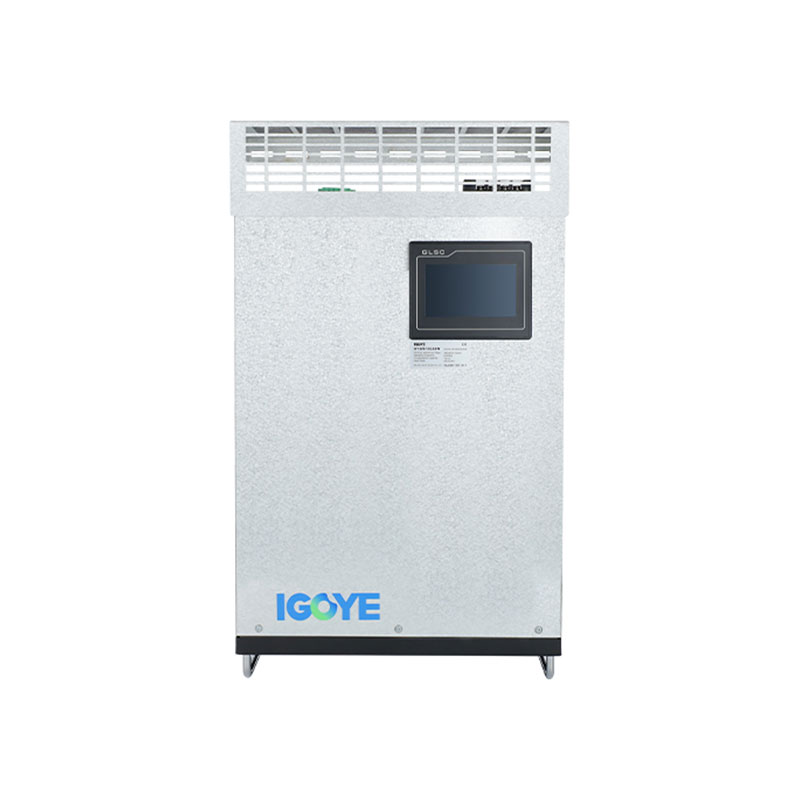
All our Static Var Generators are engineered to meet international standards, ensuring compatibility with global power systems and regulatory requirements. They also include user-friendly features such as touchscreen interfaces, remote diagnostics, and automatic self-calibration, making them easy to install, operate, and maintain.
FAQ: Common Questions About Static Var Generators