

What Is an Isolation Control Transformer?
2025-11-24
Isolation control transformers are pivotal components in modern electrical systems, designed to separate circuits for safety, reduce electrical noise, and ensure stable voltage delivery to sensitive equipment. These transformers provide electrical isolation between primary and secondary windings, which minimizes the risk of electrical shocks and equipment damage. Their functionality extends across industrial machinery, medical devices, automation systems, and precision electronics, making them essential in environments where electrical stability and operator safety are paramount.
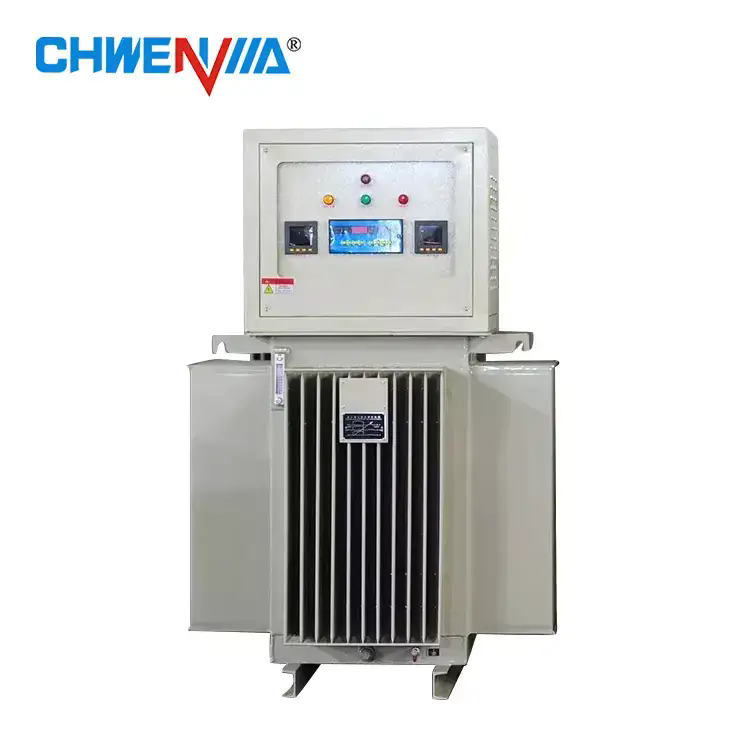
What Are the Key Functions of an Isolation Control Transformer?
Isolation control transformers are engineered to provide electrical separation between circuits while maintaining voltage consistency. Their key functions include:
-
Electrical Isolation: By separating primary and secondary windings, transformers prevent direct electrical contact, reducing the risk of electric shock and protecting sensitive devices.
-
Voltage Regulation: These transformers stabilize fluctuating voltage, ensuring connected equipment operates within safe voltage limits.
-
Noise Reduction: They help eliminate electromagnetic interference (EMI) and electrical noise that can disrupt the operation of sensitive devices.
-
Equipment Protection: Isolation control transformers safeguard downstream components from power surges, spikes, and transient currents.
-
Compliance Assurance: Many industries require equipment to meet safety standards such as IEC, UL, or ANSI, which isolation transformers help achieve.
Table 1: Typical Technical Parameters of Isolation Control Transformers
| Parameter | Specification Range | Description |
|---|---|---|
| Rated Power | 500 VA – 500 kVA | Indicates transformer capacity |
| Input Voltage | 120V – 480V AC | Primary side voltage range |
| Output Voltage | 120V – 480V AC | Secondary side voltage output |
| Frequency | 50/60 Hz | AC frequency compatibility |
| Insulation Class | Class B, F, or H | Determines thermal endurance |
| Efficiency | 95% – 98% | Energy conversion efficiency |
| Cooling Type | Air-cooled (AN/AF), Oil-filled (ON/OF) | Method to manage heat dissipation |
| Protection Rating | IP20 – IP55 | Protection against dust and water ingress |
| Core Material | Silicon steel or amorphous steel | Affects efficiency and magnetic performance |
| Mounting Type | Floor, wall, or panel-mounted | Installation flexibility |
These parameters ensure that isolation control transformers can be precisely matched to the operational requirements of a facility, providing both safety and efficiency.
Why Are Isolation Control Transformers Essential for Industrial and Commercial Applications?
Industrial facilities, hospitals, laboratories, and commercial buildings rely heavily on electrical equipment that is sensitive to voltage fluctuations and electrical noise. Isolation control transformers play a crucial role in these environments by offering:
-
Enhanced Safety: Preventing accidental contact with live circuits, reducing workplace hazards.
-
Reliable Operation: Voltage regulation and isolation help maintain uninterrupted performance of critical equipment.
-
Longevity of Equipment: By mitigating electrical surges and reducing EMI, transformers extend the lifespan of machinery and electronics.
-
Regulatory Compliance: Many industrial and medical facilities require certified electrical isolation to meet safety regulations.
Additionally, isolation control transformers are vital in integrating renewable energy systems, such as solar and wind installations, into the grid. They help protect sensitive inverters and control systems while maintaining stable voltage and power quality.
How Do They Achieve Noise Reduction?
Isolation transformers utilize a magnetic core and winding separation that filters high-frequency noise and transient disturbances. By decoupling the primary and secondary circuits, they prevent noise propagation, which is particularly critical for laboratory instruments, communication systems, and automation controllers.
How to Select the Right Isolation Control Transformer?
Selecting an appropriate transformer requires careful evaluation of system requirements, load characteristics, and environmental conditions. Key considerations include:
-
Power Rating: Ensure the transformer can handle peak and continuous load requirements.
-
Input and Output Voltage: Match the transformer’s voltage specifications with the equipment to be powered.
-
Frequency Compatibility: Confirm that the transformer operates at the system’s frequency (50 Hz or 60 Hz).
-
Insulation Class: Choose insulation based on operating temperature and safety standards.
-
Efficiency and Losses: High-efficiency transformers reduce energy costs and heat generation.
-
Environmental Protection: Consider IP ratings and cooling methods based on installation conditions.
-
Certification Compliance: Verify UL, IEC, or ANSI certifications to meet safety and regulatory requirements.
Common Questions About Isolation Control Transformers:
Q1: Can isolation control transformers handle fluctuating industrial loads?
A1: Yes, these transformers are designed to handle varying load conditions. Their robust construction, high-quality core materials, and precise winding design allow them to maintain voltage stability even under fluctuating loads. The insulation class and thermal management also prevent overheating, ensuring reliable operation.
Q2: How often should isolation transformers be maintained?
A2: Routine maintenance should be conducted annually, or more frequently in harsh environments. Maintenance includes checking insulation integrity, verifying connections, cleaning air vents or oil compartments, and testing output voltage. Proper maintenance ensures long-term reliability and prevents premature failure.
Future Trends and Advantages of Wenma Isolation Control Transformers
The future of isolation control transformers is influenced by technological advancements and increasing demand for reliable, energy-efficient electrical systems. Trends include:
-
Smart Transformers: Integration with IoT for remote monitoring of voltage, current, and temperature.
-
Higher Efficiency Materials: Use of amorphous steel cores to reduce energy losses and carbon footprint.
-
Compact Designs: Lightweight, compact transformers suitable for space-limited industrial applications.
-
Enhanced Safety Features: Advanced insulation and protective devices to meet stricter safety standards.
The advantages of choosing high-quality isolation control transformers, such as those from Wenma, include:
-
Reduced electrical noise and voltage fluctuations, ensuring stable equipment operation.
-
Enhanced safety for operators and protection for sensitive machinery.
-
High efficiency, leading to energy savings and lower operational costs.
-
Long service life due to robust construction and advanced materials.
Wenma’s isolation control transformers are engineered to meet rigorous industrial and commercial standards, offering a reliable solution for electrical isolation and voltage stability. Their products combine precision engineering with advanced materials, delivering both safety and efficiency for diverse applications. For more information or to discuss your specific requirements, contact us today to explore Wenma’s full range of isolation control transformers.