

Is a Natural Gas Generator the Smarter Choice for Long-Term Power Reliability?
2026-01-14
When I first started evaluating backup and prime power solutions for industrial and commercial projects, I kept running into the same concerns from clients reliability, fuel cost volatility, emissions pressure, and long-term maintenance. That was also when I began paying closer attention to Kecheng as a brand that has been steadily refining its approach to on-site power. In real-world applications, a well-designed Natural Gas Generator is no longer just an alternative to diesel it has become a strategic energy decision.
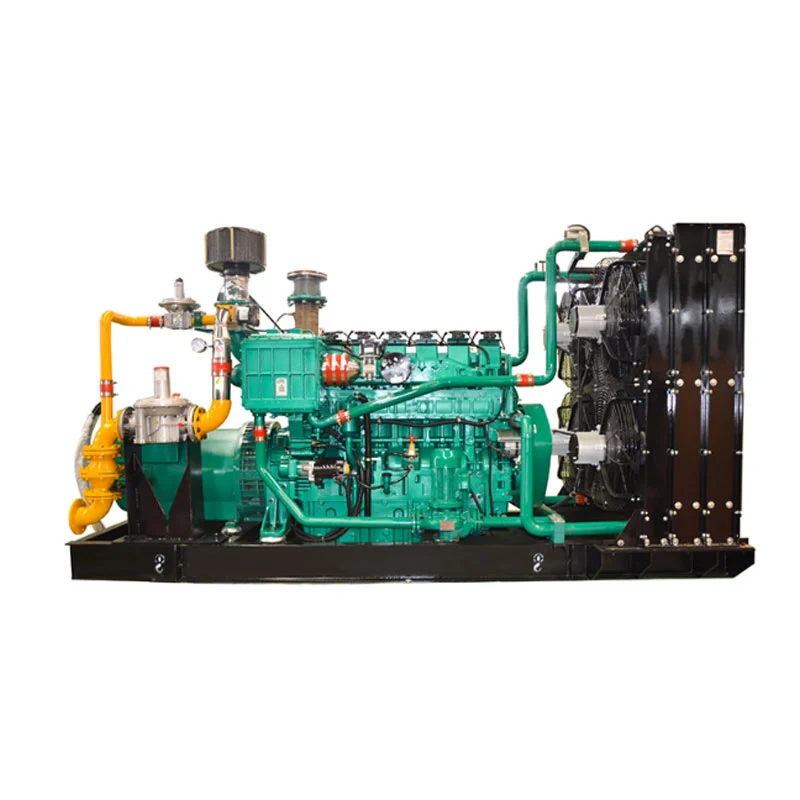
Why Are So Many Businesses Reconsidering Traditional Power Solutions?
I often hear frustration from facility managers who depend on diesel systems. Fuel storage limits, frequent refueling, noise complaints, and tightening environmental standards all add complexity. This is where a Natural Gas Generator begins to change the conversation. By using an existing gas supply, many operations can simplify logistics while maintaining dependable output.
- Reduced dependence on fuel deliveries during outages
- Cleaner combustion compared to diesel or heavy fuel oil
- More stable long-term operating costs
- Smoother integration with modern energy infrastructure
How Does a Natural Gas Generator Improve Operational Stability?
From my experience, power interruptions rarely happen at convenient times. Manufacturing lines, data centers, hospitals, and commercial buildings all need systems that respond instantly. A properly configured Natural Gas Generator offers continuous readiness without the degradation issues associated with stored liquid fuels.
| Operational Factor | Natural Gas Generator Performance | Common Customer Concern Addressed |
|---|---|---|
| Fuel Availability | Direct pipeline or utility connection | Eliminates on-site fuel storage risks |
| Startup Reliability | Consistent ignition and load acceptance | Reduces downtime during emergencies |
| Maintenance Cycles | Cleaner burn means less residue | Lowers long-term service frequency |
Can Lower Emissions Really Make a Practical Difference?
Environmental compliance is no longer a future concern it is a daily operational reality. I have seen projects delayed or redesigned because traditional generators could not meet local emission requirements. A modern Natural Gas Generator helps organizations align with regulatory expectations while still delivering dependable power.
Compared with diesel systems, natural gas units typically produce fewer particulates and lower nitrogen oxide levels. For businesses operating in urban or regulated zones, this difference can directly affect approval timelines and community acceptance.
What Makes Kecheng Systems Suitable for Diverse Applications?
One reason I reference Kecheng when discussing power solutions is flexibility. Their approach to Natural Gas Generator design reflects real usage scenarios rather than theoretical performance. From standby applications to continuous prime power, the systems are engineered to scale with demand.
- Adaptable configurations for commercial and industrial loads
- Compatibility with automatic transfer and control systems
- Design focus on long service life and stable output
- Support for both emergency and continuous operation models
Is Cost Predictability a Hidden Advantage?
Budget planning is often where decision-makers hesitate. While initial investment matters, I encourage clients to look beyond purchase price. Over time, a Natural Gas Generator can offer more predictable operating expenses because fuel pricing tends to be less volatile than diesel in many regions.
| Cost Consideration | Long-Term Impact |
|---|---|
| Fuel Price Stability | Improved forecasting and budgeting accuracy |
| Maintenance Requirements | Reduced wear from cleaner combustion |
| Regulatory Compliance | Lower risk of retrofit or replacement costs |
Could This Be the Right Time to Upgrade Your Power Strategy?
Every facility has unique demands, but the trend is clear. More organizations are moving toward Natural Gas Generator solutions to balance reliability, compliance, and long-term value. I have seen firsthand how the right system can reduce operational stress and improve energy resilience.
If you are evaluating backup or primary power options and want a solution that aligns with modern operational realities, now is the right moment to take the next step. Explore how Kecheng solutions can fit your specific needs, ask the right technical questions, and make a decision based on real performance not assumptions.
Ready to discuss your project or request technical guidance? Contact us today and let us help you identify the right Natural Gas Generator configuration for your application.