

How to Choose the Right Screw Blower for Maximum Efficiency?
2025-12-01
Screw blowers are critical components in industries ranging from wastewater treatment to pneumatic conveying systems. Designed to move air or gas efficiently, these machines provide high performance under continuous operation and varying pressure conditions.
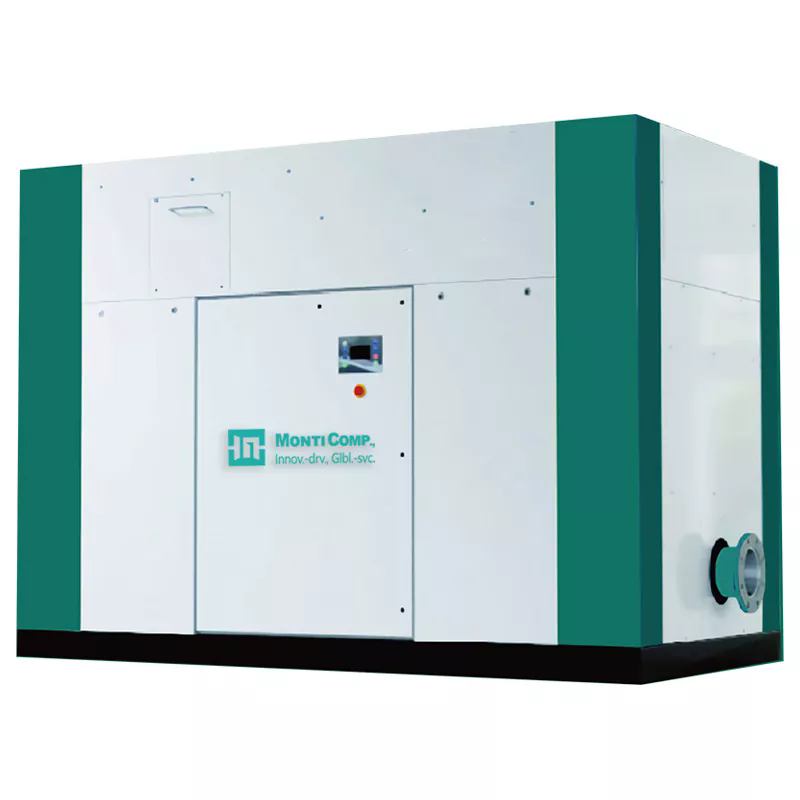
Screw blowers operate on a principle of positive displacement, where two intermeshing rotors compress the gas and force it through the discharge port. Unlike centrifugal blowers, screw blowers deliver consistent flow regardless of system pressure variations, making them ideal for applications that require precise airflow control. This article will also address common questions, product specifications, and comparison factors, helping industries make informed choices.
Understanding Screw Blower Advantages and Functionality
Screw blowers are widely used because of their ability to provide steady airflow with low pulsation and high energy efficiency. They excel in industries requiring precise pressure management and continuous operation. Key advantages include:
-
Consistent Flow Rate: Unlike rotary vane or centrifugal blowers, screw blowers maintain a steady output regardless of pressure changes.
-
Energy Efficiency: High-efficiency rotor designs reduce energy consumption during continuous operation.
-
Low Noise Operation: Precision-engineered rotors and advanced motor designs minimize vibration and noise levels.
-
Durability and Low Maintenance: Fewer moving parts and a robust construction ensure long operational life.
Technical Specifications of Screw Blower Models
| Parameter | Model A | Model B | Model C |
|---|---|---|---|
| Airflow Capacity | 2,500 – 8,000 m³/h | 5,000 – 15,000 m³/h | 10,000 – 25,000 m³/h |
| Operating Pressure | 0.5 – 1.2 bar | 0.6 – 1.5 bar | 0.8 – 2.0 bar |
| Motor Power | 15 – 55 kW | 37 – 110 kW | 75 – 200 kW |
| Noise Level | 68 – 75 dB(A) | 70 – 78 dB(A) | 72 – 80 dB(A) |
| Efficiency | 85 – 90% | 87 – 91% | 88 – 92% |
| Temperature Range | -10°C – 45°C | -10°C – 50°C | -10°C – 55°C |
These models are designed for a range of industrial applications, including wastewater aeration, pneumatic conveying, and chemical processing, providing flexibility for various operational demands.
Comparing Screw Blowers vs. Centrifugal Blowers
Choosing the right blower can significantly impact operational efficiency. Screw blowers and centrifugal blowers are often considered alternatives, but each has distinct advantages.
-
Flow Stability: Screw blowers provide constant airflow regardless of system pressure, while centrifugal blowers experience reduced efficiency at variable loads.
-
Energy Consumption: High-efficiency screw blowers often consume less energy in continuous operations compared to centrifugal types.
-
Maintenance Needs: Screw blowers have simpler mechanics and fewer moving parts, translating into lower maintenance costs over time.
-
Noise Levels: Screw blowers are typically quieter due to their enclosed rotor design, making them suitable for environments with strict noise regulations.
Industries that demand precise pressure control, energy efficiency, and minimal maintenance often find screw blowers to be the superior choice, especially in continuous-duty applications.
Frequently Asked Questions About Screw Blowers
Q1: How can I determine the right screw blower size for my application?
A1: Selecting the correct size requires analyzing airflow demand (m³/h) and operating pressure (bar). Consider system losses, efficiency curves, and safety margins. Oversizing may lead to higher energy consumption, while undersizing can reduce performance and risk overheating. Consulting with the manufacturer’s technical team ensures optimal selection based on specific operational parameters.
Q2: What maintenance practices ensure long-term reliability?
A2: Regular maintenance includes checking oil levels, inspecting rotor clearances, cleaning inlet filters, and monitoring vibration and temperature. Scheduled lubrication and periodic replacement of wear parts prevent unplanned downtime. Many advanced models also include condition monitoring systems to alert operators of potential issues before they become critical.
Future Trends and Selecting the Best Screw Blower
The screw blower industry is evolving rapidly, driven by energy efficiency regulations and digitalization trends. Key developments include:
-
Variable Speed Drives (VSD): VSD-equipped screw blowers allow precise airflow adjustments, reducing energy costs by up to 30%.
-
Advanced Materials: New alloys and coatings enhance rotor durability and reduce maintenance frequency.
-
Digital Monitoring: Integration with IoT platforms enables real-time performance tracking, predictive maintenance, and remote diagnostics.
For industries aiming to maximize operational efficiency while minimizing downtime, adopting the latest screw blower technology is essential. Brands like Dream focus on providing high-performance, energy-efficient screw blowers with advanced control options tailored to industrial requirements.
For further consultation or to request a personalized recommendation, contact us to explore how Dream’s screw blowers can optimize your operations, reduce energy costs, and enhance system reliability.