

How Marine Diesel Engines Power Reliable and Efficient Marine Operations
2026-03-13
Article Summary
Marine transportation, offshore operations, and fishing fleets rely heavily on powerful and durable propulsion systems. Marine Diesel Engines are widely recognized for their high efficiency, durability, and ability to operate under demanding maritime conditions. This article explains how marine diesel engines work, why they are trusted in commercial and industrial marine applications, and how to choose the right system for long-term operational reliability. It also addresses common concerns such as fuel efficiency, maintenance requirements, and engine durability in harsh marine environments.
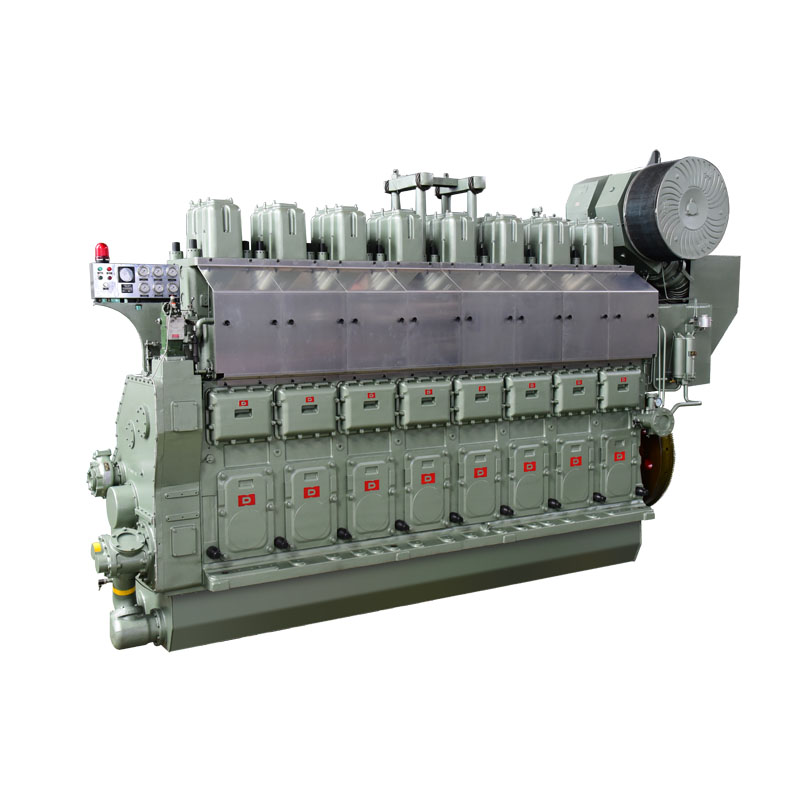
Table of Contents
- Introduction to Marine Diesel Engines
- How Marine Diesel Engines Work
- Main Components of a Marine Diesel Engine
- Key Technical Parameters
- Advantages of Marine Diesel Engines
- Common Problems and Practical Solutions
- How to Choose the Right Marine Diesel Engine
- Maintenance and Performance Optimization
- Frequently Asked Questions
- Conclusion
Introduction to Marine Diesel Engines
Marine Diesel Engines are the backbone of modern maritime propulsion. From cargo ships and fishing vessels to offshore support ships and naval platforms, these engines deliver consistent power and operational reliability across long voyages and demanding marine environments.
Unlike gasoline engines, marine diesel engines operate using compression ignition technology. This design provides higher thermal efficiency, greater fuel economy, and stronger torque output, which are essential for moving heavy vessels through water efficiently.
Companies such as Megawatt design marine diesel engine systems engineered for durability, operational efficiency, and long service life. Advanced engineering and robust materials allow these engines to perform reliably even in high-salinity, high-load marine environments.
How Marine Diesel Engines Work
Understanding how Marine Diesel Engines operate helps vessel owners and operators better manage fuel consumption, maintenance schedules, and overall performance.
The operation of a marine diesel engine follows a compression ignition cycle consisting of several stages.
- Air intake into the combustion chamber
- Compression of air to high pressure and temperature
- Injection of diesel fuel into the compressed air
- Automatic ignition due to high temperature
- Expansion of combustion gases that drive the piston
- Rotation of the crankshaft generating propulsion power
This process repeats continuously across multiple cylinders, producing steady mechanical energy that powers the propeller shaft. The result is strong torque and efficient propulsion, even for large vessels operating under heavy loads.
Main Components of a Marine Diesel Engine
Marine diesel engines contain numerous specialized components designed to withstand high pressure, vibration, and corrosion caused by seawater exposure.
The most important components include:
- Engine block and cylinder liners
- Pistons and piston rings
- Fuel injection system
- Turbocharger
- Crankshaft and connecting rods
- Cooling system
- Lubrication system
- Exhaust system
Each component must operate in precise synchronization. For example, the fuel injection system controls the timing and pressure of diesel delivery, while the turbocharger improves air intake efficiency and increases engine power output.
Key Technical Parameters
When evaluating Marine Diesel Engines, several technical specifications determine overall performance and compatibility with specific vessels.
| Parameter | Description |
| Rated Power | Total power output of the engine measured in kilowatts or horsepower |
| Engine Speed | Revolutions per minute that determine propulsion efficiency |
| Cylinder Configuration | Number and arrangement of cylinders affecting engine balance and power |
| Fuel Consumption | Amount of diesel used per hour during operation |
| Cooling Method | Typically seawater or freshwater cooling systems |
| Displacement | Total volume of all cylinders indicating engine size |
| Emission Standard | Compliance with marine environmental regulations |
Understanding these parameters allows shipbuilders and operators to match the engine to vessel size, operating conditions, and mission requirements.
Advantages of Marine Diesel Engines
Marine diesel engines remain the preferred propulsion solution for commercial and industrial vessels because they offer multiple performance advantages.
- High fuel efficiency compared to gasoline engines
- Strong torque output for heavy vessels
- Long operational lifespan
- Reliable performance under continuous load
- Lower operating costs over long periods
- Better safety due to lower fuel volatility
Advanced models developed by manufacturers like Megawatt incorporate improved combustion systems, optimized cooling designs, and reinforced structural components to further increase efficiency and reliability.
Common Problems and Practical Solutions
Despite their durability, marine diesel engines may encounter operational challenges. Understanding these issues helps vessel operators minimize downtime and extend engine life.
| Problem | Possible Cause | Solution |
| Overheating | Cooling system blockage | Inspect heat exchanger and seawater pump |
| Excessive fuel consumption | Incorrect fuel injection timing | Adjust or recalibrate injection system |
| Low engine power | Turbocharger inefficiency | Clean or replace turbocharger components |
| Engine vibration | Crankshaft imbalance | Perform mechanical inspection and balancing |
| Black exhaust smoke | Incomplete combustion | Check fuel injectors and air intake system |
How to Choose the Right Marine Diesel Engine
Selecting the right engine requires careful evaluation of vessel characteristics and operational requirements.
Key selection factors include:
- Vessel size and displacement
- Expected cruising speed
- Fuel efficiency requirements
- Maintenance accessibility
- Operating environment and sea conditions
- Compliance with marine emission regulations
Engine reliability is especially critical for long-distance voyages or offshore applications where maintenance access may be limited. Working with experienced manufacturers such as Megawatt helps ensure the engine system meets both operational and safety requirements.
Maintenance and Performance Optimization
Routine maintenance is essential to maintain engine performance and prevent unexpected mechanical failures.
Recommended maintenance practices include:
- Regular oil analysis and replacement
- Fuel injector inspection and cleaning
- Cooling system flushing
- Turbocharger maintenance
- Inspection of seals and gaskets
- Monitoring vibration and temperature levels
Predictive maintenance strategies using engine monitoring systems can also improve reliability by identifying early signs of mechanical wear or system imbalance.
Frequently Asked Questions
What makes marine diesel engines more efficient than gasoline engines?
Marine diesel engines operate using compression ignition, which achieves higher thermal efficiency. This allows them to convert more fuel energy into mechanical power.
How long can a marine diesel engine typically last?
With proper maintenance, marine diesel engines can operate for 20,000 to 50,000 hours or more depending on usage conditions and engine design.
Why are turbochargers commonly used in marine diesel engines?
Turbochargers increase the amount of air entering the combustion chamber, improving fuel combustion efficiency and boosting engine power without significantly increasing engine size.
Are marine diesel engines suitable for continuous operation?
Yes. Marine diesel engines are designed specifically for long-duration operation under heavy loads, making them ideal for cargo transport and commercial maritime activities.
Conclusion
Marine Diesel Engines remain one of the most reliable and efficient propulsion technologies in the maritime industry. Their strong torque output, durability, and fuel efficiency make them indispensable for commercial shipping, offshore operations, and industrial marine vessels.
With continuous improvements in combustion technology, materials engineering, and engine monitoring systems, modern marine diesel engines are becoming even more efficient and environmentally responsible.
Megawatt provides high-performance marine diesel engine solutions designed for demanding maritime applications. Whether you are building a new vessel or upgrading an existing propulsion system, selecting a reliable engine manufacturer is essential for long-term operational success.
If you are looking for durable and efficient Marine Diesel Engines for your vessel, contact us today to learn more about customized power solutions and professional technical support.