

How Does an Ultrasonic Generator Work?
2026-04-03
Summary: Ultrasonic generators play a critical role in modern ultrasonic applications, ranging from cleaning to medical devices. This article explains the functionality, advantages, and selection tips for ultrasonic generators to help users make informed decisions. Yuhuan Clangsonic Ultrasonic Co., Ltd. specializes in providing high-quality ultrasonic solutions tailored to various industrial needs.
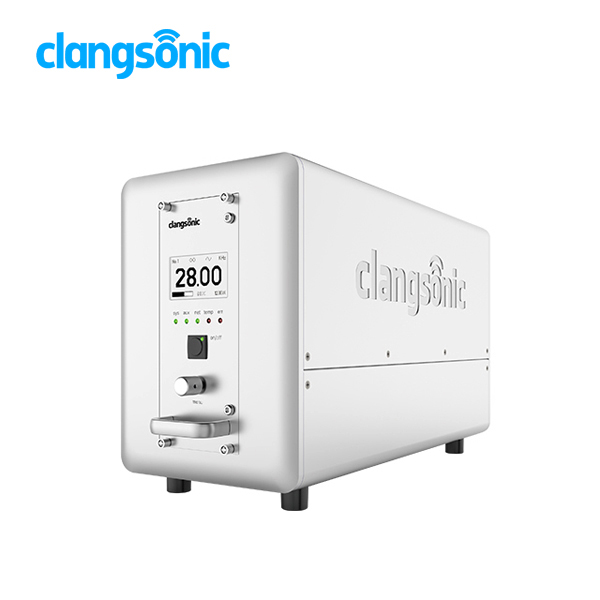
Table of Contents
- Introduction
- Working Principle of Ultrasonic Generators
- Types and Key Features
- Applications in Industry
- Common Issues and Troubleshooting
- Selection Guide
- FAQ
- Conclusion & Contact
Introduction
An ultrasonic generator is an electronic device that converts electrical energy into high-frequency electrical signals, which are then transformed into mechanical vibrations by ultrasonic transducers. These vibrations, typically above 20 kHz, are utilized in various applications such as cleaning, welding, medical therapy, and industrial processing.
Understanding how ultrasonic generators work and their benefits helps users improve efficiency, reduce maintenance, and achieve precise results.
Working Principle of Ultrasonic Generators
The core function of an ultrasonic generator is to produce stable high-frequency signals. Its operation involves three key steps:
- Signal Generation: Converts standard electrical power (AC 50/60Hz) into high-frequency AC signals using electronic oscillators.
- Frequency Amplification: Amplifies the signal to a suitable voltage and power level required by the ultrasonic transducer.
- Energy Transfer: Transmits the high-frequency energy to the transducer, which vibrates at ultrasonic frequencies, creating mechanical waves.
Modern ultrasonic generators often include microcontroller-based systems for automatic frequency tracking, protecting the equipment from overload and ensuring efficient operation.
Types and Key Features
Ultrasonic generators vary based on application and design. The main types include:
| Type | Frequency Range | Key Features | Typical Application |
|---|---|---|---|
| Fixed Frequency | 20-40 kHz | Stable output, simple design | Industrial cleaning, small-scale ultrasonic devices |
| Frequency Sweep | 20-80 kHz | Reduces standing wave effects | Precision cleaning, medical therapy |
| Digital/Smart | 20-200 kHz | Automatic frequency tracking, protection circuits | High-end ultrasonic welding and industrial applications |
Key features to consider:
- Output Power Control: Ensures appropriate energy for the task
- Overload Protection: Prevents damage to transducers and generators
- Compact Design: Saves space in industrial setups
- Ease of Integration: Compatible with existing ultrasonic systems
Applications in Industry
Ultrasonic generators have versatile uses across multiple industries:
- Ultrasonic Cleaning: Removes contaminants from precision parts, medical instruments, and electronic components.
- Ultrasonic Welding: Joins plastics, metals, and composites without heat-intensive methods.
- Medical Therapy: Enables physiotherapy treatments and ultrasonic imaging devices.
- Sonochemistry: Enhances chemical reactions and improves mixing efficiency.
Yuhuan Clangsonic Ultrasonic Co., Ltd. provides generators designed to meet specific industrial requirements, ensuring reliability and long-term performance.
Common Issues and Troubleshooting
Even advanced ultrasonic generators can encounter issues. Some common problems and remedies include:
| Problem | Possible Cause | Solution |
|---|---|---|
| No Ultrasonic Output | Disconnected transducer or blown fuse | Check connections, replace fuse |
| Overheating | Continuous high-power operation or poor ventilation | Allow cooling, improve airflow |
| Frequency Drift | Worn transducer or aging components | Calibrate or replace the generator/transducer |
| Low Cleaning Efficiency | Incorrect power setting or tank contamination | Adjust power and clean the tank |
Selection Guide
When choosing an ultrasonic generator, consider the following factors:
- Application Type: Cleaning, welding, medical, or chemical use.
- Frequency Requirements: Higher frequencies for delicate parts, lower for heavy-duty cleaning.
- Power Output: Must match the transducer and application size.
- Control Features: Digital adjustment, automatic frequency tracking, and overload protection.
- Manufacturer Reputation: Yuhuan Clangsonic Ultrasonic Co., Ltd. offers robust, industrial-grade generators with global support.
FAQ
- Q: Can an ultrasonic generator operate multiple transducers?
- A: Yes, but ensure the generator's power output matches the total transducer load.
- Q: How often should the generator be maintained?
- A: Regular inspection every 6-12 months is recommended, depending on usage intensity.
- Q: Is digital control necessary for industrial applications?
- A: Digital control is highly recommended for precise frequency tuning and overload protection.
- Q: What voltage input is required?
- A: Most generators support AC 110-240V; check specifications for industrial models.
Conclusion & Contact
Ultrasonic generators are essential components for high-efficiency cleaning, welding, and ultrasonic processing applications. Selecting the right generator ensures optimal performance, reliability, and longevity of ultrasonic systems.
For premium ultrasonic generators and expert guidance, trust Yuhuan Clangsonic Ultrasonic Co., Ltd. to provide solutions that meet your industrial needs. Contact us today to learn more about our products and services.