

How Does an Instrument Transformer Improve Measurement Accuracy and Electrical System Safety?
2026-03-09
Article Summary
Instrument transformers play a critical role in modern electrical systems by enabling accurate measurement and reliable protection in high-voltage environments. Directly connecting measuring instruments to high-voltage circuits is unsafe and impractical. Instrument transformers solve this challenge by scaling voltage and current to standardized, measurable levels. This article explains how instrument transformers work, their structure, advantages, application scenarios, and how to select the right model for industrial use.
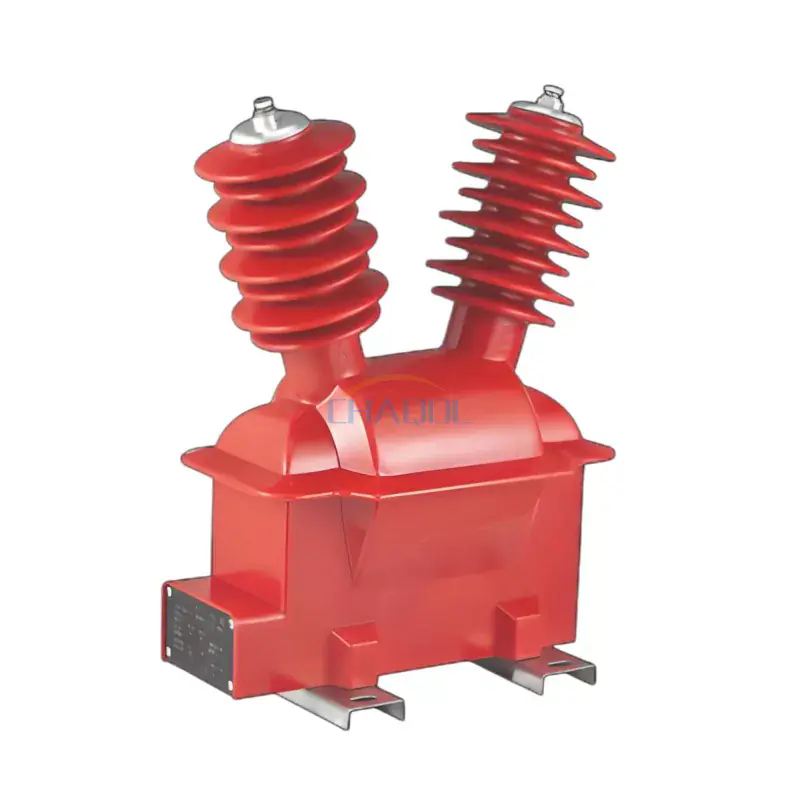
Table of Contents
- Introduction to Instrument Transformers
- How Instrument Transformers Work
- Main Types of Instrument Transformers
- Key Components and Structure
- Technical Parameters and Performance Indicators
- Benefits for Power System Measurement and Protection
- Typical Industrial Applications
- How to Choose the Right Instrument Transformer
- Frequently Asked Questions
- Conclusion
Outline
- Overview of instrument transformers
- Working principle and electrical conversion process
- Comparison between current transformers and voltage transformers
- Internal structural components
- Important technical parameters
- Advantages in measurement accuracy and protection
- Real-world application scenarios
- Selection considerations for industrial buyers
- Answers to common questions
Introduction to Instrument Transformers
Electrical power systems often operate at extremely high voltages and currents. Measuring these values directly using standard instruments would not only be unsafe but could also damage measurement equipment. An Instrument Transformer is specifically designed to convert high electrical values into proportional, standardized signals that measuring instruments, meters, and protective relays can safely handle.
Instrument transformers are essential components in substations, industrial power distribution systems, renewable energy facilities, and grid infrastructure. They ensure accurate monitoring, control, and protection of electrical networks. Companies such as Anqiang manufacture advanced instrument transformers designed for reliability, precision, and long-term operation in demanding environments.
By isolating measurement circuits from high-voltage systems, instrument transformers not only improve measurement accuracy but also significantly enhance operator safety.
How Instrument Transformers Work
An instrument transformer operates by using electromagnetic induction to convert high voltage or high current signals into lower, proportional values. These reduced values can then be safely measured using conventional instruments.
The process involves three main stages:
- Receiving high-voltage or high-current input from the primary circuit
- Electromagnetic induction through the transformer core
- Outputting a scaled-down secondary signal proportional to the primary value
For example, a current transformer may reduce a 1000A current to a standardized 5A signal, allowing protective relays and meters to operate safely. Similarly, a voltage transformer can step down a 10kV voltage to a measurable 100V output.
Because the ratio between primary and secondary values is precisely calibrated, measurement devices can calculate the actual system values accurately.
Main Types of Instrument Transformers
Instrument transformers are generally divided into two major categories depending on their measurement purpose.
| Type | Main Function | Typical Application |
|---|---|---|
| Current Transformer (CT) | Converts high current to a smaller measurable current | Power monitoring, relay protection |
| Voltage Transformer (VT) / Potential Transformer (PT) | Steps down high voltage to a standardized low voltage | Voltage measurement, metering systems |
| Combined Instrument Transformer | Integrates both CT and VT functions | Compact substations and integrated monitoring systems |
Each type serves a unique purpose within the electrical measurement and protection system. Selecting the correct type ensures accurate monitoring and reliable system protection.
Key Components and Structure
The performance and durability of an instrument transformer depend heavily on its internal construction and materials. Most high-quality transformers are designed with several essential components.
- Magnetic Core – Provides a path for magnetic flux and enables electromagnetic induction.
- Primary Winding – Connected directly to the high-voltage or high-current power line.
- Secondary Winding – Outputs the scaled electrical signal for meters and relays.
- Insulation System – Protects against electrical breakdown and ensures operational safety.
- Protective Housing – Shields the internal components from environmental factors.
Manufacturers like Anqiang implement advanced insulation materials and precision winding technologies to guarantee consistent performance and long service life.
Technical Parameters and Performance Indicators
When selecting an instrument transformer, several technical specifications should be evaluated carefully.
| Parameter | Description |
|---|---|
| Rated Voltage | Maximum voltage level the transformer can safely handle |
| Rated Current | Standard primary current level for current transformers |
| Transformation Ratio | Relationship between primary and secondary electrical values |
| Accuracy Class | Indicates measurement precision for metering or protection purposes |
| Frequency | Operating frequency of the electrical system |
| Insulation Level | Ability to withstand electrical stress and prevent breakdown |
Understanding these parameters helps engineers ensure that the transformer will perform reliably within a specific power system.
Benefits for Power System Measurement and Protection
Instrument transformers provide several essential benefits that make them indispensable in modern electrical networks.
- Improved Safety – Isolates measuring equipment from dangerous voltage levels.
- Accurate Monitoring – Ensures precise current and voltage measurement.
- Reliable Protection – Enables protective relays to detect faults quickly.
- Equipment Compatibility – Allows standardized measurement instruments to be used.
- System Stability – Helps operators monitor power flow and system conditions.
These advantages allow engineers to manage complex power systems while maintaining operational reliability.
Typical Industrial Applications
Instrument transformers are widely used across many industries where electrical monitoring and protection are critical.
- Power generation plants
- Electrical substations
- Renewable energy installations
- Industrial manufacturing facilities
- Commercial power distribution networks
- Railway electrification systems
As electrical systems become increasingly complex, the demand for reliable measurement equipment continues to grow. Instrument transformers provide the necessary interface between high-voltage power systems and precision monitoring devices.
How to Choose the Right Instrument Transformer
Selecting the correct instrument transformer requires careful evaluation of several operational factors.
- Determine system voltage and current levels
- Choose appropriate transformation ratios
- Verify required measurement accuracy
- Consider environmental conditions such as temperature and humidity
- Ensure compatibility with protection and metering devices
Working with experienced manufacturers like Anqiang can simplify the selection process. Professional engineering support ensures that the transformer design matches the specific needs of your power system.
Frequently Asked Questions
Q1: Why are instrument transformers necessary in power systems?
High-voltage circuits cannot be connected directly to measuring instruments. Instrument transformers safely reduce electrical values while maintaining proportional accuracy, enabling reliable measurement and protection.
Q2: What is the difference between a current transformer and a voltage transformer?
A current transformer reduces large currents into smaller measurable currents, while a voltage transformer steps down high voltage levels into standardized low voltages suitable for measuring instruments.
Q3: How long does an instrument transformer typically last?
With proper installation and maintenance, high-quality instrument transformers can operate reliably for several decades in industrial power systems.
Q4: What factors affect measurement accuracy?
Accuracy depends on transformer design, insulation quality, core materials, installation conditions, and load characteristics of the secondary circuit.
Conclusion
Instrument transformers are fundamental components that enable safe, accurate, and reliable monitoring of electrical power systems. By converting high voltage and current into standardized measurement signals, they allow engineers to analyze system performance, detect faults, and maintain operational stability.
Manufacturers such as Anqiang continue to develop advanced instrument transformer solutions that meet the evolving demands of modern power networks. High-quality materials, precise engineering, and strict quality control ensure dependable performance in critical applications.
If you are looking for reliable instrument transformer solutions for substations, industrial facilities, or power distribution systems, professional support can help identify the most suitable configuration for your project.
Contact us today to learn more about Anqiang instrument transformers and discover how the right solution can improve the safety, accuracy, and efficiency of your electrical system.