

How Does an Echo Sounder Transform Marine Depth Measurement Accuracy?
2026-06-23
Abstract
An echo sounder is a critical marine navigation instrument used to determine water depth by transmitting sound pulses and measuring their return time after reflection from the seabed. This article explains how echo sounders work, their types, real-world applications, and the key challenges users face in marine operations. It also provides guidance on selecting and maintaining echo sounders for optimal performance. Designed for ship operators, marine engineers, fishing professionals, and offshore project teams, this guide helps improve operational safety, efficiency, and underwater visibility in complex marine environments.
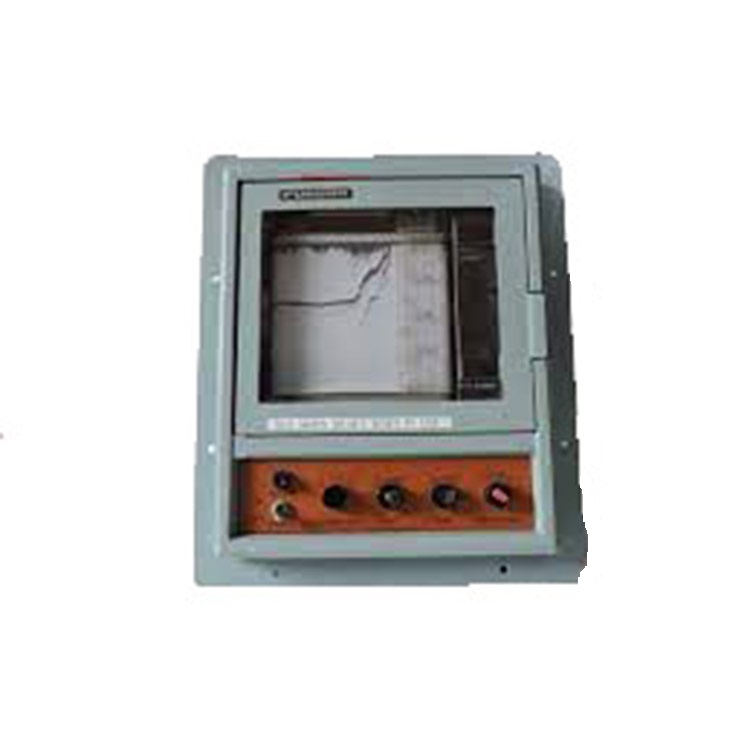
Table of Contents
Article Outline
- Definition and core principles of echo sounding technology
- Step-by-step signal transmission and reception process
- Comparison of different echo sounder systems
- Industry-specific use cases and operational value
- Selection criteria for commercial and industrial deployment
- Technical issues, calibration, and maintenance strategies
- Supplier reliability and service considerations
What is an Echo Sounder?
An echo sounder is a marine electronic device used to measure the depth of water beneath a vessel by emitting acoustic pulses into the water. When these sound waves hit the seabed or submerged objects, they reflect back to the transducer. The system calculates depth based on the time interval between transmission and reception of the echo.
This technology is essential for navigation safety, underwater mapping, fishing operations, dredging activities, and offshore construction. Modern systems often integrate digital displays, GPS data, and advanced signal processing algorithms for higher accuracy and usability.
How an Echo Sounder Works
The working principle of an echo sounder is based on sonar technology. It operates through a sequence of precise steps:
- A transducer emits a high-frequency sound pulse into the water.
- The pulse travels downward until it hits the seabed or an object.
- The sound wave reflects back toward the vessel.
- The system measures the time taken for the echo to return.
- Using the speed of sound in water, the device calculates depth.
The accuracy of this process depends on water temperature, salinity, pressure, and equipment calibration. Advanced echo sounders compensate for these environmental factors automatically.
Types of Echo Sounders
Different marine operations require different types of echo sounders. The most common categories include:
- Single Beam Echo Sounder: Measures depth directly beneath the vessel. Ideal for basic navigation.
- Multi Beam Echo Sounder: Provides a wider seabed mapping area using multiple beams. Used in hydrographic surveys.
- Dual Frequency Echo Sounder: Uses two frequencies for shallow and deep water accuracy.
- Portable Echo Sounder: Compact devices used in small boats or temporary surveys.
| Type | Best Use | Accuracy Level |
|---|---|---|
| Single Beam | Navigation | Medium |
| Multi Beam | Seabed Mapping | Very High |
| Dual Frequency | Mixed Depth Conditions | High |
| Portable | Small Craft Use | Basic to Medium |
Key Applications in Marine Industry
- Commercial shipping navigation and collision avoidance
- Fishing industry for locating fish schools and underwater structures
- Hydrographic surveying and seabed mapping
- Dredging operations and harbor maintenance
- Offshore oil and gas exploration
- Environmental and oceanographic research
Important Features to Consider
Selecting the right echo sounder requires attention to several technical and operational factors:
- Operating frequency range and depth capability
- Display resolution and user interface clarity
- Signal processing accuracy in rough sea conditions
- Integration with GPS and navigation systems
- Durability against corrosion and marine environment stress
- Calibration and automatic compensation functions
Common User Pain Points and Solutions
Marine operators often encounter challenges when using echo sounders. Understanding these issues helps improve system performance and reliability.
- Signal interference: Caused by bubbles, waves, or other vessels. Solution: use advanced filtering technology.
- Incorrect depth readings: Often due to poor calibration. Solution: perform regular calibration checks.
- Device malfunction in harsh environments: Solution: use industrial-grade waterproof systems.
- Limited seabed resolution: Solution: upgrade to multi beam systems for better accuracy.
Maintenance and Troubleshooting
Regular maintenance ensures long-term performance of echo sounders. Key practices include:
- Cleaning transducers to prevent marine growth buildup
- Checking cable integrity and waterproof seals
- Updating firmware for improved performance
- Performing periodic calibration tests
- Inspecting mounting position for stability
Troubleshooting should begin with system diagnostics, followed by checking power supply, transducer condition, and signal processing modules.
Why Choose Malins Marine Service Co., Ltd.
Malins Marine Service Co., Ltd. provides high-performance marine navigation solutions, including advanced echo sounder systems designed for commercial shipping, offshore operations, and marine research applications. The company focuses on delivering reliable equipment that ensures operational safety, precision, and long-term durability in challenging marine environments.
With industry experience and technical expertise, Malins Marine Service Co., Ltd. supports customers with product selection, system integration, and after-sales service, ensuring every vessel operates with confidence and accuracy.
FAQ
What is the main purpose of an echo sounder?
The primary purpose is to measure water depth accurately by using sound wave reflection from the seabed.
Can echo sounders detect underwater objects?
Yes, they can detect objects and seabed variations depending on system resolution and frequency used.
What affects echo sounder accuracy?
Water conditions such as temperature, salinity, and turbulence can affect signal speed and accuracy.
How often should an echo sounder be maintained?
Regular maintenance should be performed every few months, with more frequent checks in harsh marine environments.
What is the difference between single beam and multi beam systems?
Single beam systems measure directly beneath the vessel, while multi beam systems provide a wider and more detailed seabed map.
Conclusion & Contact
Echo sounders remain an essential tool in modern marine operations, providing reliable depth measurement and underwater insights that support safe navigation and efficient offshore activities. Selecting the right system and maintaining it properly ensures long-term operational stability and accuracy.
For professional-grade echo sounder solutions, system integration support, and technical consultation, Malins Marine Service Co., Ltd. is ready to assist your marine operations with dependable expertise and high-quality equipment.
For inquiries, quotations, or technical support, contact us today to discuss your requirements and get tailored marine solutions for your vessel or project.