

How Does an Air Source Ozone Generator Improve Air and Water Purification Efficiency?
2026-03-18
Article Summary: Air Source Ozone Generators are widely used in industrial and commercial environments for disinfection, odor removal, and oxidation processes. This article explains how these systems work, their key components, performance parameters, and how they solve common user pain points such as inefficient sterilization, high maintenance costs, and unstable ozone output. It also provides a structured buying guide, application insights, and answers to frequently asked questions.
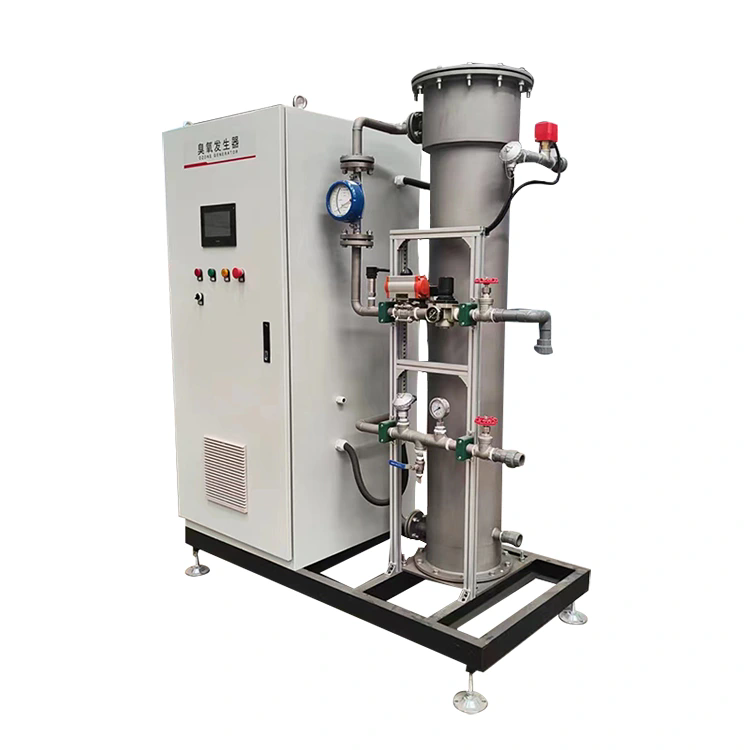
Table of Contents
- Introduction to Air Source Ozone Generators
- Working Principle Explained
- Key Components and Structure
- Technical Parameters and Performance Table
- Common Customer Pain Points and Solutions
- Application Scenarios
- How to Choose the Right Model
- Maintenance and Operational Tips
- FAQ
- Conclusion
Introduction to Air Source Ozone Generators
An Air Source Ozone Generator is a device that produces ozone (O₃) using ambient air as the raw material. Unlike oxygen-fed systems, it eliminates the need for external oxygen tanks, making it a cost-effective and convenient solution for many industries.
Ozone is a powerful oxidizing agent capable of killing bacteria, viruses, and fungi, while also removing odors and breaking down organic pollutants. This makes it highly valuable in water treatment, food processing, healthcare, and air purification applications.
Working Principle Explained
The operation of an Air Source Ozone Generator is based on corona discharge technology. The process can be broken down into the following steps:
- Air Intake: Ambient air is drawn into the system.
- Air Drying: Moisture is removed to improve ozone generation efficiency.
- Corona Discharge: High voltage electricity splits oxygen molecules (O₂) into individual oxygen atoms.
- Ozone Formation: These atoms recombine with O₂ to form ozone (O₃).
- Output Delivery: Ozone is released into air or water for treatment.
This continuous process ensures a stable ozone supply for disinfection and oxidation tasks.
Key Components and Structure
Understanding the internal structure helps users evaluate product quality and performance:
- Air Compressor: Supplies consistent airflow.
- Drying System: Removes humidity to prevent efficiency loss.
- Ozone Generator Tube: Core component where ozone is produced.
- Power Supply Unit: Provides high-voltage electricity.
- Cooling System: Maintains stable operating temperature.
- Control Panel: Enables parameter adjustment and monitoring.
Technical Parameters and Performance Table
| Parameter | Description |
|---|---|
| Ozone Output | 5g/h – 200g/h (customizable) |
| Input Air Source | Ambient Air |
| Power Supply | 220V / 380V |
| Cooling Method | Air Cooling / Water Cooling |
| Ozone Concentration | 10–30 mg/L |
| Control System | Manual / PLC Automatic |
Common Customer Pain Points and Solutions
1. Low Disinfection Efficiency
Many users struggle with incomplete sterilization due to insufficient ozone concentration. High-quality Air Source Ozone Generators incorporate advanced discharge tubes and drying systems to maintain stable ozone output.
2. High Operating Costs
Traditional oxygen-fed systems require oxygen cylinders. Air source systems eliminate this need, significantly reducing long-term operational costs.
3. Frequent Maintenance
Moisture and dust can damage internal components. Integrated air drying and filtration systems reduce maintenance frequency and extend service life.
4. Unstable Performance
Fluctuations in ozone output affect treatment results. Modern units use intelligent control systems to ensure consistent performance.
Application Scenarios
- Water Treatment: Municipal and industrial wastewater purification.
- Food Industry: Sterilization of equipment and storage environments.
- Medical Facilities: Air disinfection and infection control.
- Aquaculture: Water quality improvement and disease prevention.
- Odor Removal: Waste management and industrial exhaust treatment.
How to Choose the Right Model
When selecting an Air Source Ozone Generator, consider the following factors:
- Required Ozone Output: Based on application scale.
- Environment Conditions: Humidity and temperature impact performance.
- Cooling Method: Choose air or water cooling depending on usage intensity.
- Automation Level: Manual vs. PLC-controlled systems.
- Installation Space: Ensure compatibility with available area.
Choosing the right configuration ensures optimal performance and cost efficiency.
Maintenance and Operational Tips
- Regularly clean air filters to maintain airflow quality.
- Inspect drying systems to prevent moisture buildup.
- Check electrical components for stable voltage supply.
- Schedule periodic maintenance to extend equipment lifespan.
Proper maintenance not only improves efficiency but also ensures safe operation.
FAQ
Q1: Is an Air Source Ozone Generator as efficient as an oxygen-fed system?
Air source systems are slightly lower in ozone concentration but offer excellent cost-performance balance for most applications.
Q2: Can it operate continuously?
Yes, most industrial-grade units are designed for continuous operation with proper cooling systems.
Q3: Is ozone safe for humans?
Ozone must be used in controlled environments. Proper ventilation and safety protocols are essential during operation.
Conclusion
An Air Source Ozone Generator is a practical and cost-effective solution for disinfection, oxidation, and purification across multiple industries. By eliminating the need for external oxygen sources and integrating advanced control systems, it addresses key challenges such as operational cost, efficiency, and maintenance.
Siyuan specializes in manufacturing high-performance ozone generation equipment designed to meet diverse industrial requirements. With reliable technology and customizable solutions, Siyuan helps businesses achieve efficient and stable purification processes.
If you are looking for a dependable Air Source Ozone Generator tailored to your application, contact us today to get professional guidance and customized solutions.