

How Does an Advanced Static Var Generator Improve Power Quality and Grid Stability?
2025-08-20
An Advanced Static Var Generator is a cutting-edge device designed to dynamically manage reactive power in electrical power systems. It ensures stable voltage, reduces harmonic distortion, and enhances overall power quality. ASVGs are widely used in industrial, commercial, and renewable energy applications where maintaining a balanced and efficient power supply is critical.
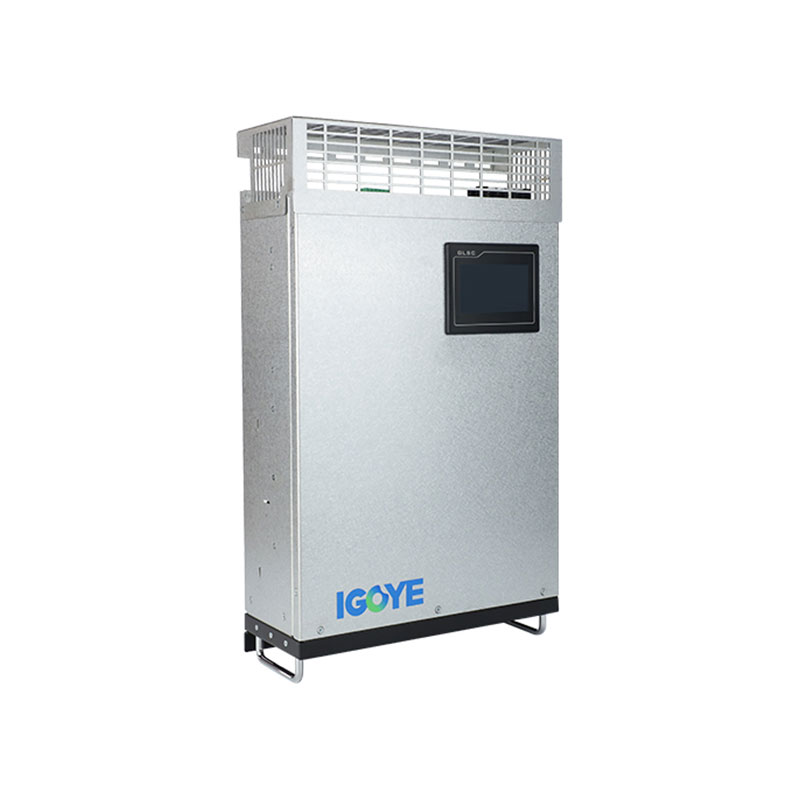
What is an Advanced Static Var Generator?
An ASVG is a power electronics-based compensation device that utilizes IGBT (Insulated Gate Bipolar Transistor) and PWM (Pulse Width Modulation) technology to provide fast, accurate, and stepless reactive power compensation. Unlike traditional capacitor banks or Static Var Compensators (SVCs), ASVGs are capable of real-time bidirectional control of reactive power, responding within milliseconds to sudden load changes.
Key Functions of ASVG:
-
Dynamic Reactive Power Compensation – Maintains voltage stability by injecting or absorbing reactive power as needed.
-
Harmonic Filtering – Reduces harmonic distortion caused by nonlinear loads, improving the overall power factor.
-
Voltage Regulation – Keeps the system voltage within a stable range under varying load conditions.
-
Load Balancing – Distributes electrical load evenly across phases to reduce system stress.
-
Energy Efficiency Improvement – Lowers power losses and enhances equipment performance.
Why Do You Need an Advanced Static Var Generator?
Modern power grids face numerous challenges, including:
-
Rapid integration of renewable energy like solar and wind.
-
Increasing use of non-linear loads such as variable frequency drives (VFDs) and LED lighting.
-
High harmonic distortion leading to overheating and equipment malfunctions.
-
Voltage instability during peak load periods.
An ASVG addresses these challenges by ensuring:
-
Better voltage support for sensitive loads.
-
Improved power factor, leading to reduced penalties from utilities.
-
Enhanced power reliability, which minimizes downtime and system failures.
ASVGs outperform traditional technologies in both response speed and precision, making them the preferred choice for modern smart grid environments.
How an ASVG Works: Technical Insights
An Advanced Static Var Generator operates by monitoring real-time grid conditions and adjusting the amount of reactive power it injects or absorbs. It does this through three critical components: sensing, control, and compensation.
Core Working Principle
-
Sensing: Continuously measures voltage, current, and harmonic components.
-
Control: Uses a digital signal processor (DSP) to calculate the required compensation level.
-
Compensation: Adjusts the inverter output to inject or absorb reactive power.
This entire cycle happens within milliseconds, ensuring seamless and uninterrupted voltage stability.
ASVG Product Parameters
Below are the typical specifications for an industrial-grade Advanced Static Var Generator:
| Parameter | Specification |
|---|---|
| Model Range | 10 kVar to 2000 kVar |
| Rated Voltage | 220V / 400V / 690V |
| Rated Frequency | 50Hz / 60Hz |
| Response Time | ≤ 20 ms |
| Compensation Range | -1 to +1 per unit |
| Power Factor | ≥ 0.99 |
| THD Reduction | Up to 97% |
| Control Method | DSP-based, closed-loop |
| Interface | RS485 / Modbus / Ethernet |
| Protection | Overvoltage, Overcurrent, Overtemperature |
| Cooling Method | Intelligent air / liquid cooling |
These parameters highlight the scalability and flexibility of ASVGs for diverse applications, from small commercial systems to utility-scale installations.
Benefits Across Industries
-
Renewable Energy: Stabilizes voltage fluctuations caused by intermittent solar and wind inputs.
-
Industrial Manufacturing: Mitigates voltage dips from high inrush currents of heavy machinery.
-
Data Centers: Maintains power quality for sensitive IT infrastructure.
-
Hospitals & Airports: Ensures uninterrupted power for critical systems.
-
Smart Grids: Integrates seamlessly with modern IoT-based monitoring platforms.
Common Questions About Advanced Static Var Generators
FAQ 1: How Does an Advanced Static Var Generator Improve Power Factor?
Answer:
An ASVG actively compensates for lagging or leading reactive power in real time. When the power factor drops due to inductive loads (e.g., motors, compressors), the ASVG injects capacitive reactive power to balance the grid. Conversely, if capacitive loads dominate, it absorbs reactive power to maintain equilibrium. With a compensation accuracy of ≥ 0.99, ASVGs ensure maximum efficiency, reduced energy losses, and lower utility penalties.
FAQ 2: What Makes ASVG Better Than Passive Filters for Harmonic Suppression?
Answer:
Passive filters target specific harmonic frequencies and lack adaptability. An ASVG, on the other hand:
-
Detects real-time harmonic profiles.
-
Dynamically suppresses multi-order harmonics up to the 50th order.
-
Prevents resonance issues common with passive devices.
-
Achieves up to 97% THD reduction, protecting sensitive equipment and prolonging system life.
Why Choose GEYA for Your Advanced Static Var Generator Needs
With over a decade of expertise in power electronics and energy management solutions, GEYA offers industry-leading ASVG technology tailored to modern power grids.
GEYA’s Advantages
-
High-Precision DSP Control: Guarantees faster and more accurate compensation.
-
Modular Design: Scales from small commercial setups to large industrial systems.
-
Smart Integration: Compatible with SCADA, IoT, and intelligent monitoring platforms.
-
Comprehensive Protection: Built-in safeguards for overcurrent, overvoltage, and overtemperature.
-
Global Support: GEYA provides consultation, customization, and after-sales services worldwide.
Applications Tailored to Your Needs
Whether you are a renewable energy developer, industrial manufacturer, or utility provider, GEYA’s Advanced Static Var Generators deliver:
-
Consistent voltage regulation.
-
Superior harmonic mitigation.
-
Reduced downtime.
-
Enhanced energy efficiency.
Contact Us
Ready to upgrade your power quality and grid stability with cutting-edge Advanced Static Var Generator solutions? GEYA is here to support you from consultation to implementation.