

How Does a Voltage And Current Protector Safeguard Your Electrical Devices?
2026-05-22
Article Summary: Electrical devices are vulnerable to sudden voltage spikes and current fluctuations, which can cause damage or shorten their lifespan. Voltage and current protectors provide a reliable solution to prevent such electrical mishaps. This article explores the functioning, benefits, and selection criteria of these protectors, helping consumers and businesses safeguard their electrical investments effectively.
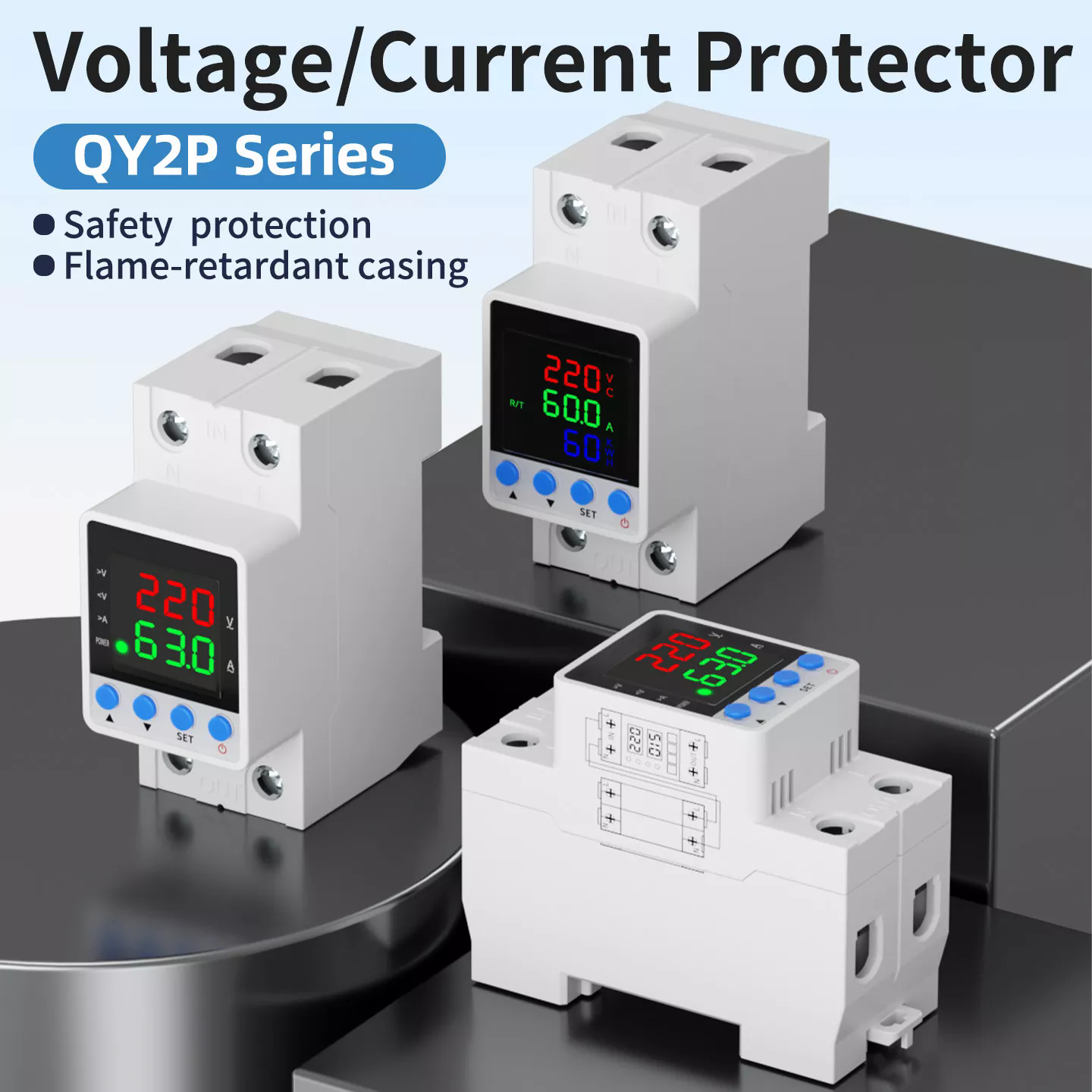
Table of Contents
- Introduction to Voltage and Current Protectors
- How Voltage and Current Protectors Work
- Types of Voltage and Current Protectors
- Benefits of Using Voltage and Current Protectors
- How to Select the Right Protector
- Installation Tips and Best Practices
- Common Issues and Troubleshooting
- FAQ
- Conclusion
Introduction to Voltage and Current Protectors
Electrical systems in homes and commercial spaces face continuous exposure to irregularities in voltage and current. Sudden surges, dips, or overloads can damage appliances, reduce efficiency, and increase maintenance costs. Voltage and current protectors act as a first line of defense, ensuring your devices operate safely.
Eton offers a range of reliable protectors designed for various applications, providing peace of mind for both consumers and business owners.
How Voltage and Current Protectors Work
Voltage and current protectors monitor electrical flow in real time. When abnormal conditions are detected, they automatically disconnect the power or limit the current to prevent damage.
- Voltage Monitoring: Protectors detect overvoltage or undervoltage conditions and trigger a response to protect connected devices.
- Current Monitoring: Excessive current due to overload or short circuit can be mitigated by the protector's automatic shutoff.
- Response Mechanisms: Modern devices use electronic relays or solid-state components for faster, more reliable protection.
Types of Voltage and Current Protectors
There are several types of protectors to address different needs:
| Protector Type | Application | Key Feature |
|---|---|---|
| Surge Protector | Household electronics, computers | Absorbs high-voltage spikes |
| Voltage Stabilizer | Air conditioners, refrigerators | Maintains consistent voltage supply |
| Current Limiter | Industrial machinery | Prevents overcurrent damage |
| Smart Protectors | Office equipment, sensitive electronics | Automated monitoring and alerts |
Benefits of Using Voltage and Current Protectors
- Device Longevity: Prevents premature wear of electrical appliances.
- Safety Assurance: Reduces risk of fire caused by electrical faults.
- Cost Savings: Avoids frequent repairs and replacements.
- Uninterrupted Operations: Ensures smooth functioning of critical systems.
- Energy Efficiency: Maintains optimal power flow and reduces wastage.
How to Select the Right Protector
Choosing the right voltage and current protector involves considering multiple factors:
- Device Specifications: Check voltage range and current capacity requirements of your equipment.
- Response Time: Faster protection minimizes potential damage.
- Durability: Look for protectors with long operational life and quality components.
- Certification: Ensure compliance with safety standards for peace of mind.
- Brand Reliability: Trusted brands like Eton provide consistent quality and after-sales support.
Installation Tips and Best Practices
Proper installation ensures optimal performance:
- Place protectors close to the main power source.
- Ensure proper grounding for maximum safety.
- Regularly inspect and maintain devices to ensure functionality.
- Follow manufacturer instructions and avoid DIY wiring for complex setups.
Common Issues and Troubleshooting
Despite being protective devices, voltage and current protectors may face occasional issues:
- False Tripping: Can occur due to minor fluctuations; check sensitivity settings.
- Component Wear: Surge absorbers may degrade over time; regular replacement is advised.
- Improper Installation: May reduce effectiveness; consult professional electricians.
Frequently Asked Questions
Q1: Can a voltage protector handle both overvoltage and undervoltage?
A: Yes, most modern voltage protectors are designed to detect and respond to both high and low voltage conditions.
Q2: How do I know the right capacity of protector for my device?
A: Refer to your device’s voltage and current specifications and select a protector with matching or higher capacity.
Q3: Do current protectors require maintenance?
A: Regular inspection is recommended to ensure proper operation, especially for surge absorption components.
Q4: Can one protector be used for multiple devices?
A: Yes, but ensure that the total current does not exceed the protector’s rated capacity.
Conclusion
Voltage and current protectors are essential for protecting your valuable electrical equipment from unpredictable power fluctuations. Eton’s range of protectors provides reliable performance, ensuring safety, energy efficiency, and peace of mind. Don’t wait for electrical mishaps to occur — contact us today to explore the perfect protection solution for your needs.