

How Does a Solar Roof Mounting System Work?
2026-01-12
Abstract
A Solar Roof Mounting System is a foundational component of any rooftop photovoltaic installation, directly influencing system safety, durability, energy output, and long-term return on investment. Many buyers and project planners face challenges such as roof compatibility, wind resistance, waterproofing risks, and complex installation requirements. This article provides a structured and practical explanation of how a Solar Roof Mounting System works, how to evaluate different system designs, and how to avoid common installation and procurement pitfalls. The goal is to support informed decision-making for residential, commercial, and industrial solar projects.
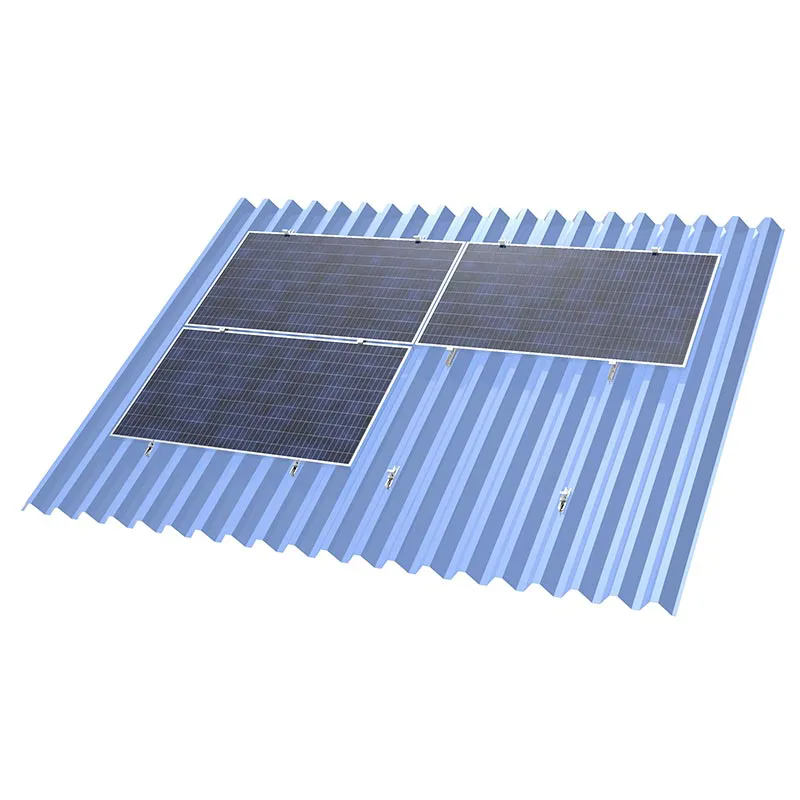
Table of Contents
- Article Outline
- What Is a Solar Roof Mounting System
- How a Solar Roof Mounting System Works
- Common Types of Solar Roof Mounting Systems
- Key Components and Materials
- How to Choose the Right System
- Common Customer Pain Points and Solutions
- Frequently Asked Questions
- Conclusion and Next Steps
Article Outline
- Definition and functional role of Solar Roof Mounting Systems
- Structural and mechanical working principles
- System classifications by roof type and installation method
- Core components and material considerations
- Selection criteria for different project scenarios
- Typical challenges faced by buyers and installers
- Practical answers to common technical questions
What Is a Solar Roof Mounting System
A Solar Roof Mounting System is an engineered framework designed to securely attach solar panels to a building’s roof structure. Its primary function is to provide mechanical stability, precise panel alignment, and long-term protection against environmental forces such as wind, rain, snow, and thermal expansion.
Unlike ground-mounted structures, rooftop systems must integrate with existing roofing materials without compromising waterproofing or structural integrity. This makes the design, material quality, and installation method of the mounting system critically important.
How a Solar Roof Mounting System Works
A Solar Roof Mounting System works by transferring loads from solar modules to the roof structure in a controlled and evenly distributed manner. The system anchors into roof beams, purlins, or concrete slabs using specialized fasteners while maintaining a secure seal against water ingress.
- Rails or mounting frames create a level and aligned base for panels
- Clamps fix modules firmly while allowing minor thermal movement
- Roof attachments connect the system to structural load points
- Inclination angles are optimized for sunlight exposure and drainage
By balancing structural strength with installation efficiency, a properly designed system minimizes stress on both the roof and the solar modules, ensuring consistent performance over decades.
Common Types of Solar Roof Mounting Systems
| System Type | Suitable Roof | Key Characteristics |
|---|---|---|
| Flush Mount | Pitched roofs | Low profile, close to roof surface |
| Tilted Mount | Flat roofs | Adjustable angle for higher energy yield |
| Ballasted Mount | Flat concrete roofs | No roof penetration, uses counterweight |
| Metal Roof Clamp System | Standing seam roofs | Non-penetrating, fast installation |
Key Components and Materials
The reliability of a Solar Roof Mounting System depends heavily on material selection and component compatibility. High-quality systems typically include:
- Aluminum rails for corrosion resistance and lightweight strength
- Stainless steel fasteners for long-term durability
- Roof hooks, clamps, or anchors tailored to roof structure
- Weatherproof sealing elements and gaskets
Manufacturers such as CYC Energy focus on optimizing component precision to ensure consistent installation quality across diverse roof conditions.
How to Choose the Right System
Selecting the correct Solar Roof Mounting System requires a clear understanding of project-specific conditions. Key evaluation factors include:
- Roof material and load-bearing capacity
- Local wind and snow load requirements
- Installation speed and labor availability
- Long-term maintenance expectations
Ignoring these factors can lead to increased installation costs, structural risks, or reduced system lifespan.
Common Customer Pain Points and Solutions
Many customers encounter recurring challenges when sourcing or installing rooftop mounting systems:
- Water leakage concerns: Solved through integrated sealing design
- Complex installation: Reduced by modular and pre-assembled components
- Roof damage risk: Mitigated by roof-specific attachment methods
- Uncertain compliance: Addressed through standardized engineering validation
A well-designed system minimizes these risks while improving overall project predictability.
Frequently Asked Questions
Is a Solar Roof Mounting System suitable for all roof types?
Yes, but the system design must match the roof material, slope, and structural capacity.
How long does a rooftop mounting system last?
High-quality systems typically match or exceed the lifespan of the solar modules when properly installed.
Does roof mounting affect building safety?
When engineered correctly, the system distributes loads safely and does not compromise roof integrity.
Can mounting systems be customized?
Many suppliers, including CYC Energy, offer adaptable solutions for different project requirements.
Conclusion and Next Steps
Understanding how a Solar Roof Mounting System works is essential for reducing project risk, improving installation efficiency, and ensuring long-term system performance. From structural principles to component selection, each decision plays a role in the success of a solar project.
For project developers, installers, and distributors seeking reliable and well-engineered solutions, CYC Energy provides a comprehensive range of Solar Roof Mounting Systems designed for diverse applications. To explore technical options or receive tailored support, please contact us to discuss your project requirements and implementation goals.