

How Does a Power Distribution Cabinet Improve Electrical Management?
2025-12-22
Abstract: Power Distribution Cabinets play a critical role in electrical management for commercial, industrial, and residential applications. This article provides an in-depth overview of Power Distribution Cabinets, including technical parameters, installation guidance, maintenance, and answers to common operational questions. The central focus is on how these cabinets ensure safety, efficiency, and reliability in electrical distribution systems.
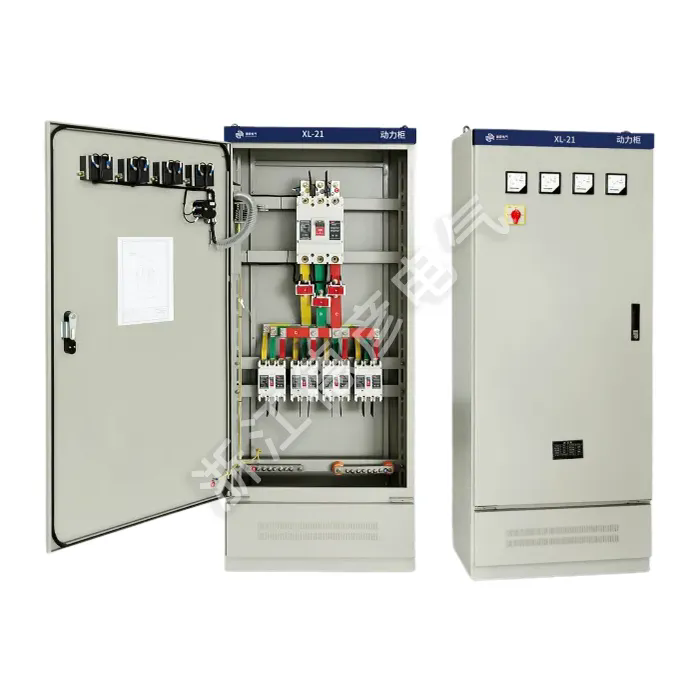
Table of Contents
1. Introduction to Power Distribution Cabinets
Power Distribution Cabinets are essential electrical devices designed to manage and distribute electrical power safely and efficiently. These cabinets consolidate electrical components such as circuit breakers, switches, and meters into a centralized unit. They are used in a variety of environments including industrial plants, commercial buildings, and residential complexes to ensure stable and secure power delivery.
The core objective of this guide is to provide a professional understanding of Power Distribution Cabinets, highlighting the technical specifications, installation procedures, and frequently asked questions. This comprehensive approach assists engineers, electricians, and facility managers in optimizing power management and improving operational safety.
2. Technical Parameters and Specifications
Power Distribution Cabinets come in multiple configurations based on voltage ratings, number of circuits, and environmental requirements. Below is a summary of standard specifications:
| Parameter | Specification |
|---|---|
| Rated Voltage | AC 380V / 220V, DC 48V / 110V |
| Rated Current | 10A - 4000A |
| Frequency | 50/60Hz |
| Protection Level | IP30 to IP65 |
| Material | Cold-rolled steel, Stainless steel (optional) |
| Mounting Type | Floor-standing, Wall-mounted |
| Insulation Class | Class B, Class F |
| Operating Temperature | -20°C to +50°C |
| Standards Compliance | IEC 61439, GB7251.1 |
These parameters ensure that the cabinet can accommodate high electrical loads, provide sufficient protection against overload, and maintain long-term durability.
3. Installation, Operation, and Maintenance
Installation Considerations
Proper installation of a Power Distribution Cabinet is critical to maximize safety and efficiency:
- Ensure adequate clearance around the cabinet for ventilation and maintenance.
- Verify the rated voltage and current compatibility with the electrical system.
- Use grounding connections to prevent electrical hazards.
- Confirm environmental suitability, including moisture, dust, and temperature conditions.
Operation Guidelines
Following proper operational procedures prolongs the cabinet’s life and maintains system safety:
- Switch off the main breaker before performing any adjustments or maintenance.
- Monitor current and voltage indicators regularly to detect abnormal conditions.
- Use protective devices such as circuit breakers and fuses to prevent overloading.
Maintenance Protocols
Routine maintenance ensures reliability and reduces downtime:
- Inspect internal wiring and connections for signs of wear or corrosion.
- Clean dust and debris from ventilation panels and internal components.
- Test protection devices periodically to confirm functionality.
- Document all maintenance activities for compliance and future reference.
4. Common Questions About Power Distribution Cabinets
Q1: How is a Power Distribution Cabinet different from a standard electrical panel?
A: Power Distribution Cabinets are designed to handle higher loads and multiple circuits compared to standard panels. They integrate advanced safety components and can include monitoring systems, making them suitable for industrial and commercial applications where reliability is critical.
Q2: What are the key safety features in a Power Distribution Cabinet?
A: Typical safety features include overcurrent protection, short circuit protection, grounding systems, and insulated barriers. Many cabinets also include door interlocks, fire-resistant materials, and IP-rated enclosures to prevent accidental contact and environmental damage.
Q3: How often should a Power Distribution Cabinet be inspected and maintained?
A: Inspection is recommended at least every six months for commercial setups, and quarterly for industrial installations with high load cycles. Maintenance includes checking connections, cleaning dust and debris, testing protective devices, and verifying operational indicators.
5. Conclusion and Contact Information
Power Distribution Cabinets are fundamental components of modern electrical systems, ensuring efficient power management, safety, and reliability. With a clear understanding of their technical parameters, installation, operation, and maintenance, facility managers and engineers can optimize performance and prevent electrical hazards.
Deyan Electric provides high-quality Power Distribution Cabinets tailored to industrial and commercial needs, combining advanced safety features with reliable performance. For inquiries or detailed product specifications, contact us today to discuss solutions suitable for your electrical distribution requirements.