

How Does a Nitrogen Generator Improve Industrial Efficiency?
2026-03-30
Summary: Nitrogen generators have become a crucial part of modern industrial operations, providing a reliable, cost-effective, and environmentally friendly source of nitrogen gas. This article explores how nitrogen generators work, their advantages over traditional nitrogen supply methods, the different types available, and practical applications across industries. By the end of this guide, readers will understand how to select the right nitrogen generator for their needs and optimize its performance.
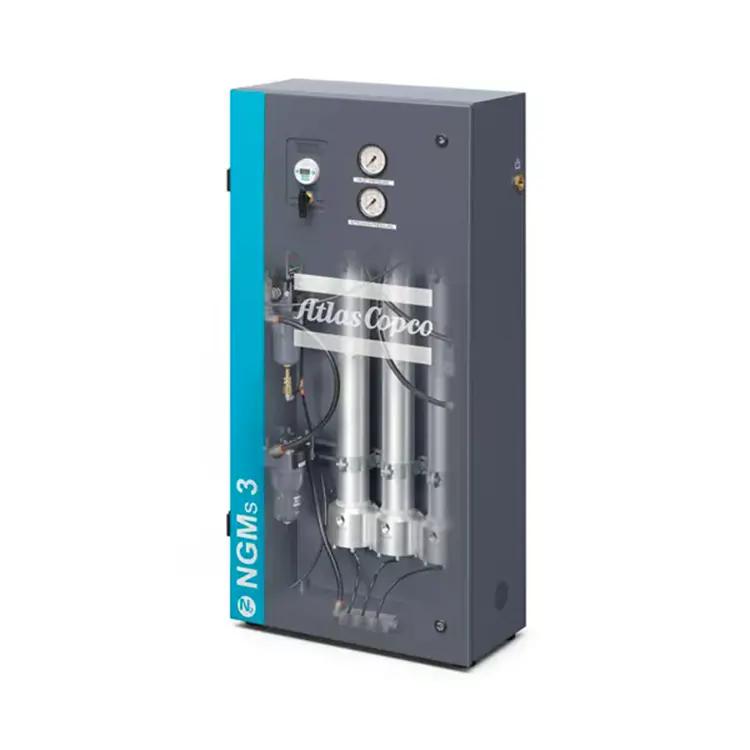
Table of Contents
What is a Nitrogen Generator?
A nitrogen generator is a device that produces nitrogen gas from atmospheric air. Unlike bottled or liquid nitrogen, these generators create a continuous supply on-site, offering industries a more convenient and cost-efficient alternative. Nitrogen is essential for processes that require an inert atmosphere, such as food packaging, electronics manufacturing, and chemical processing.
How Does a Nitrogen Generator Work?
Nitrogen generators separate nitrogen from oxygen and other gases in the air using advanced technologies. The two primary methods are:
- Pressure Swing Adsorption (PSA): Uses carbon molecular sieves to absorb oxygen under high pressure, allowing nitrogen to pass through as a high-purity gas.
- Membrane Technology: Employs selective permeable membranes to filter out oxygen and water vapor, producing nitrogen with variable purity levels suitable for less critical applications.
The generator ensures a consistent nitrogen supply, eliminating the need for external deliveries and reducing operational downtime.
Types of Nitrogen Generators
| Type | Purity Range | Ideal Application |
|---|---|---|
| PSA Nitrogen Generator | 95–99.999% | Food packaging, electronics, pharmaceuticals |
| Membrane Nitrogen Generator | 90–99% | Metal fabrication, chemical processes, tire inflation |
| Liquid Nitrogen Generator | 99.99% | Cryogenic applications, laboratory storage |
Advantages of Using a Nitrogen Generator
- Cost Savings: Reduces the expense of purchasing, storing, and transporting nitrogen cylinders or liquid nitrogen.
- Continuous Supply: Ensures an uninterrupted nitrogen source, preventing production delays.
- High Purity Options: Allows selection of nitrogen purity according to specific industrial needs.
- Environmental Benefits: Decreases carbon footprint by reducing deliveries and packaging waste.
- Safety: Eliminates hazards associated with handling high-pressure cylinders or cryogenic liquids.
Industrial Applications
Nitrogen generators are versatile and can be applied across multiple industries:
- Food Packaging: Prevents oxidation, prolonging shelf life and maintaining quality.
- Electronics Manufacturing: Provides an inert atmosphere for soldering and assembly of sensitive components.
- Chemical Industry: Reduces risk of combustion and unwanted chemical reactions.
- Metal Fabrication: Inert gas shielding for welding and cutting operations.
- Laboratories and Healthcare: Supplies high-purity nitrogen for experiments, storage, and cryogenics.
Tips for Selecting the Right Nitrogen Generator
When choosing a nitrogen generator, consider these factors:
- Purity Requirements: Match the generator type to your industry’s nitrogen purity needs.
- Flow Rate: Ensure the generator can supply enough nitrogen for continuous operation.
- Space & Installation: Evaluate footprint and installation requirements for your facility.
- Maintenance: Consider ease of service, filter replacements, and uptime.
- Cost Efficiency: Analyze long-term savings versus upfront investment.
Companies like Dechuan provide tailored solutions and technical support to help industries optimize nitrogen generation systems.
Frequently Asked Questions
Q1: Can a nitrogen generator replace bottled nitrogen completely?
Yes, with a properly sized generator, industries can eliminate dependency on bottled or liquid nitrogen entirely, reducing costs and logistical challenges.
Q2: What is the typical lifespan of a nitrogen generator?
High-quality generators, such as those from Dechuan, can last 10–15 years with proper maintenance and regular filter replacement.
Q3: How do I know which purity level I need?
The required purity depends on your application. Food packaging generally requires 95–99% purity, while electronics or pharmaceutical applications may need 99.999%.
Q4: Is installation complicated?
Installation is straightforward for most PSA and membrane systems. Dechuan provides full technical guidance to ensure smooth setup.