

How does a Low Voltage Series Reactor work?
2026-06-04
Article Abstract
A low voltage series reactor is a critical component in modern power distribution systems designed to improve electrical stability, limit fault currents, and suppress harmonic distortion. As industrial and commercial facilities increasingly rely on sensitive electronic equipment, maintaining power quality has become essential. This article provides a comprehensive explanation of how low voltage series reactors operate, their engineering principles, real-world applications, and how they help resolve common power system challenges such as voltage fluctuation, capacitor switching surges, and harmonic resonance.
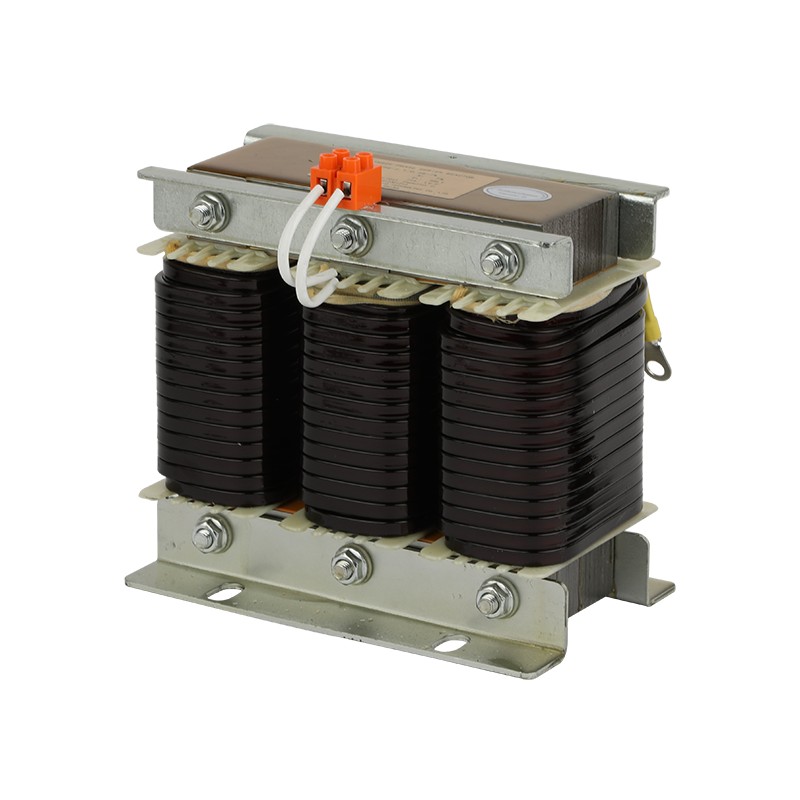
Table of Contents
- Introduction to Low Voltage Series Reactors
- Working Principle
- Key Benefits
- Industrial Applications
- Selection and Design Considerations
- Comparison Table
- Frequently Asked Questions
- Conclusion
Introduction to Low Voltage Series Reactors
A low voltage series reactor is an inductive device installed in series with electrical circuits, typically capacitor banks or load feeders. Its primary function is to introduce controlled inductance into the system, thereby regulating current flow and mitigating undesirable electrical phenomena.
In industrial power systems, sudden switching operations or nonlinear loads can generate high inrush currents and harmonic distortion. Without mitigation, these issues can lead to equipment damage, overheating, and reduced system efficiency. Low voltage series reactors act as protective and stabilizing elements that enhance overall grid reliability.
- Limits short-circuit current levels
- Reduces harmonic resonance risk
- Protects capacitor banks from switching surges
- Improves voltage stability under fluctuating loads
Working Principle
The operation of a low voltage series reactor is based on electromagnetic induction. When alternating current flows through the reactor coil, it generates an opposing magnetic field. This opposition introduces inductive reactance into the circuit, which directly affects the rate of current change.
In practical terms, the reactor does not consume active power but resists sudden changes in current, smoothing electrical transitions and limiting peak current values.
Core functional effects include:
- Voltage drop proportional to load current
- Current waveform smoothing
- Suppression of high-frequency harmonics
By carefully selecting inductance values, engineers can tune system behavior to avoid resonance conditions that might otherwise amplify harmonic distortion.
Key Benefits
Low voltage series reactors deliver multiple operational advantages across electrical networks. These benefits are particularly important in environments with heavy industrial loads such as manufacturing plants, data centers, and commercial complexes.
| Benefit | Description |
|---|---|
| Harmonic Suppression | Reduces distortion caused by nonlinear loads such as VFDs and rectifiers. |
| Inrush Current Limitation | Protects capacitors and transformers during energization. |
| System Stability | Prevents voltage fluctuations during load variations. |
| Equipment Protection | Extends lifespan of electrical devices by reducing electrical stress. |
Industrial Applications
Low voltage series reactors are widely used across multiple industries where power quality is a concern. Their role becomes increasingly important as modern electrical systems integrate more sensitive and nonlinear loads.
- Manufacturing Plants: Stabilizing motor drives and heavy machinery operations
- Data Centers: Ensuring uninterrupted and clean power supply
- Renewable Energy Systems: Supporting inverter-based power generation
- Commercial Buildings: Improving energy efficiency and reducing electrical noise
- Utility Substations: Managing fault currents and system balancing
In each of these environments, reactors serve as a safeguard against unpredictable electrical behavior, ensuring continuity and reliability of operations.
Selection and Design Considerations
Choosing the correct low voltage series reactor requires careful evaluation of system parameters. Incorrect sizing may lead to inefficiency or inadequate protection.
Key factors include:
- Rated voltage and current of the system
- Desired impedance percentage
- Harmonic spectrum of the load
- Thermal performance requirements
- Installation environment conditions
Engineers typically perform harmonic analysis before selecting reactor specifications to ensure compatibility with system dynamics.
Comparison Table: Reactor vs No Reactor System
| Parameter | Without Series Reactor | With Low Voltage Series Reactor |
|---|---|---|
| Harmonic Distortion | High risk of resonance | Significantly reduced |
| Inrush Current | Uncontrolled spikes | Limited and stabilized |
| Equipment Stress | Frequent overheating | Reduced mechanical and thermal stress |
| System Efficiency | Lower efficiency due to losses | Improved operational efficiency |
Frequently Asked Questions
1. What is the main purpose of a low voltage series reactor?
It is primarily used to limit current surges, reduce harmonic distortion, and improve overall power quality in electrical systems.
2. Does a series reactor consume power?
No, it does not consume active power. It introduces inductive reactance, which affects current behavior but not energy consumption directly.
3. Where are low voltage series reactors most commonly installed?
They are typically installed in capacitor bank circuits, industrial distribution panels, and systems with high harmonic loads.
4. Can a reactor prevent equipment damage?
Yes, by limiting inrush currents and suppressing harmonics, it significantly reduces electrical stress on equipment.
5. How is the reactor size determined?
Sizing depends on system voltage, load characteristics, harmonic profile, and desired impedance level.
Conclusion
Low voltage series reactors play an essential role in modern electrical infrastructure by improving power quality, protecting equipment, and enhancing system stability. As industrial loads become more complex, the need for reliable harmonic control and current limitation solutions continues to grow.
For organizations seeking robust and engineered solutions tailored to demanding electrical environments, Geyue Electric provides high-performance low voltage series reactor products designed to meet stringent industrial requirements. To explore customized solutions and technical support, contact us at Geyue Electric today.