

How Does a Dynamic Braking Resistor Improve Motor Efficiency?
2026-05-09
Article Summary
Dynamic braking resistors are essential components in modern industrial motor systems. They enhance operational safety, extend equipment life, and optimize energy efficiency. This article provides a comprehensive guide to understanding dynamic braking resistors, their functionality, types, benefits, and practical considerations for businesses.
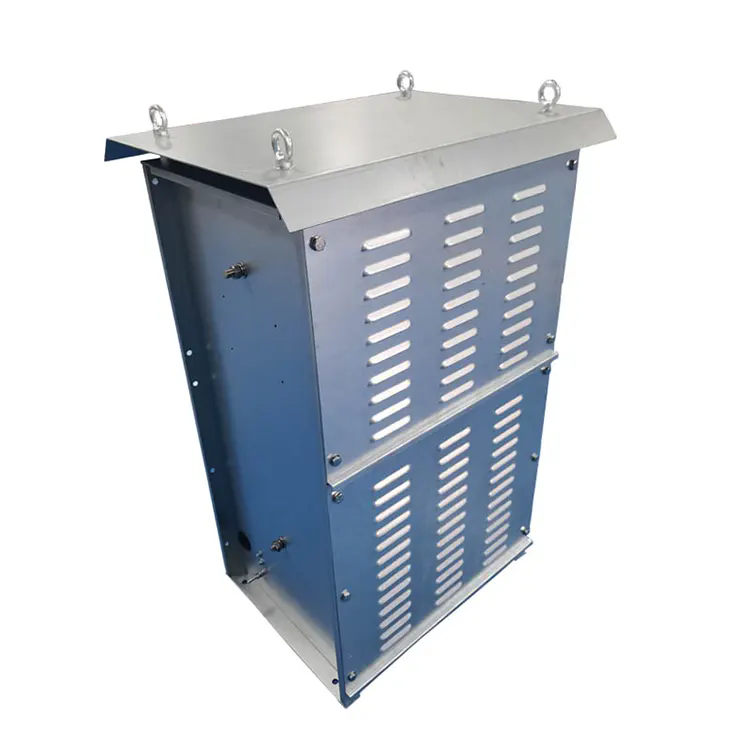
Table of Contents
- What is a Dynamic Braking Resistor?
- How Does it Work?
- Why Should You Use One?
- Types of Dynamic Braking Resistors
- Selection Considerations
- Installation and Maintenance Tips
- FAQ
What is a Dynamic Braking Resistor?
A dynamic braking resistor is an electrical component used in motor-driven systems to dissipate excess energy generated during braking. In industrial applications, when a motor decelerates, it acts as a generator and produces electrical energy. Without a braking resistor, this energy can damage the drive system or motor components.
By converting this surplus electrical energy into heat, dynamic braking resistors ensure safe and controlled deceleration of motors, particularly in high-inertia systems like conveyors, cranes, and elevators.
How Does it Work?
The operational principle of a dynamic braking resistor is straightforward yet effective. When a motor slows down:
- The motor generates excess electrical energy (regenerative energy).
- This energy is routed to the dynamic braking resistor.
- The resistor converts the electrical energy into heat.
- The system safely dissipates the heat into the environment.
This mechanism prevents overvoltage conditions in variable frequency drives (VFDs) and protects sensitive components from damage, maintaining system reliability and extending equipment lifespan.
Why Should You Use One?
Implementing a dynamic braking resistor provides several critical benefits for industrial operations:
- Enhanced Safety: Reduces risk of motor runaway or uncontrolled deceleration.
- Improved Efficiency: Converts wasted energy into manageable heat rather than letting it destabilize the system.
- Extended Equipment Life: Protects VFDs, motors, and mechanical components from electrical stress.
- Cost Savings: Minimizes downtime and reduces maintenance frequency.
Types of Dynamic Braking Resistors
Choosing the right type depends on application requirements, motor size, and braking frequency. Common types include:
| Type | Description | Typical Applications |
|---|---|---|
| Wirewound Resistors | Durable, high-power capacity, suitable for frequent braking. | Conveyors, elevators, cranes |
| Metal Oxide Resistors | Good thermal stability, compact size. | Medium-speed motors, HVAC systems |
| Grid Resistors | High-power resistors designed for heavy-duty industrial braking. | Steel mills, heavy machinery |
Selection Considerations
When selecting a dynamic braking resistor for your system, consider:
- Motor Power Rating: Ensure resistor capacity matches motor energy output.
- Braking Frequency: High-frequency stopping requires resistors with better heat dissipation.
- Ambient Temperature: Resistor materials must tolerate environmental conditions.
- Size and Installation Space: Plan for proper ventilation and accessibility.
RST Electric offers a wide range of high-quality dynamic braking resistors optimized for diverse industrial applications. Their products combine performance, reliability, and safety.
Installation and Maintenance Tips
- Always follow the manufacturer’s wiring diagram and safety guidelines.
- Ensure adequate cooling and airflow around the resistor.
- Regularly inspect for dust accumulation, corrosion, or loose connections.
- Measure resistor temperature periodically during operation to avoid overheating.
- Replace damaged or worn-out resistors promptly to maintain motor system integrity.
FAQ
Q1: Can a dynamic braking resistor be retrofitted to existing systems?
Yes, most industrial motors and VFDs can accommodate retrofitted braking resistors, provided space and electrical compatibility are verified.
Q2: How do I calculate the correct resistor value?
The value depends on motor voltage, braking current, and stopping time. Consulting the manufacturer or a professional engineer is recommended.
Q3: Are dynamic braking resistors energy-efficient?
While they convert electrical energy to heat rather than storing it, they prevent equipment damage and reduce energy losses from electrical overvoltage events.
Q4: What maintenance schedule is recommended?
Inspect resistors at least twice a year and clean regularly to maintain airflow and thermal performance.
Conclusion
Dynamic braking resistors are crucial for industrial motor safety, efficiency, and longevity. By understanding their function, types, and selection criteria, businesses can ensure smooth operation, reduce maintenance costs, and protect valuable equipment.
RST Electric provides advanced dynamic braking resistor solutions tailored to various industrial needs. Explore our product line for reliable performance and peace of mind. Contact us today to find the perfect solution for your system.