Modern power distribution systems require equipment that is safe, efficient, reliable, and environmentally responsible. A Dry Type Transformer has become one of the most preferred solutions for commercial buildings, industrial facilities, renewable energy projects, hospitals, data centers, and public infrastructure because it eliminates the need for insulating oil while maintaining excellent electrical performance.
Compared with traditional oil-filled transformers, dry type transformers offer lower fire risks, easier maintenance, cleaner operation, and better indoor installation flexibility. Companies such as JUCEG continue to provide advanced transformer solutions that meet the increasing demand for safe and stable power distribution systems across global industries.
Article Summary
This article explains how dry type transformers work, their key advantages, installation environments, maintenance requirements, efficiency benefits, and how to choose the right model for industrial and commercial applications. It also covers common customer concerns including overheating, safety, lifespan, operating costs, and environmental performance.
What Is a Dry Type Transformer?
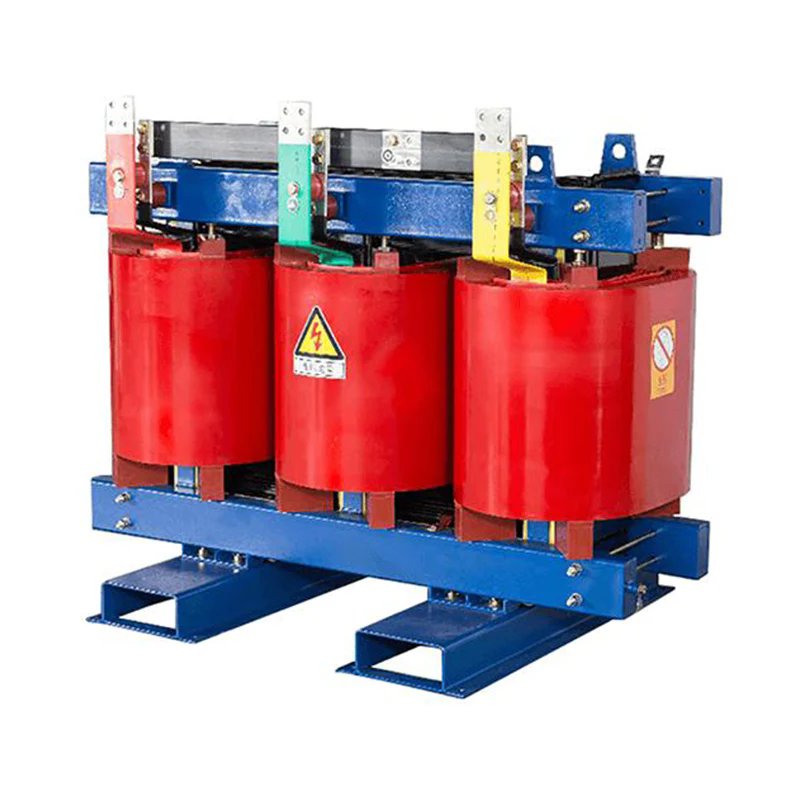
A dry type transformer is a transformer that uses air instead of liquid insulating materials for cooling and insulation. The windings are usually protected using high-temperature insulation materials such as epoxy resin or vacuum pressure impregnation systems.
Unlike oil-filled transformers, dry type transformers do not contain combustible liquids. This makes them highly suitable for indoor installations and locations where fire safety is a major concern.
Dry type transformers are widely used in:
-
Commercial buildings
-
Hospitals
-
Airports
-
Subways
-
Data centers
-
Renewable energy systems
-
Manufacturing plants
-
Educational institutions
How Does a Dry Type Transformer Work?
A dry type transformer transfers electrical energy between circuits through electromagnetic induction. When alternating current flows through the primary winding, it creates a magnetic field in the transformer core. This magnetic field induces voltage in the secondary winding.
The main difference between dry type and oil-filled transformers lies in the insulation and cooling method. Dry type transformers rely on:
-
Natural air cooling
-
Forced air cooling fans
-
Epoxy resin encapsulation
-
Advanced thermal insulation systems
These systems help maintain stable operating temperatures while improving operational safety.
Major Advantages of Dry Type Transformers
Many businesses prefer dry type transformers because they reduce operational risks and maintenance complexity. Below are the most important advantages.
|
Feature
|
Benefit
|
|
Oil-Free Design
|
Eliminates oil leakage and environmental contamination risks
|
|
High Fire Safety
|
Suitable for indoor and densely populated environments
|
|
Low Maintenance
|
Reduces operating costs and downtime
|
|
Compact Structure
|
Saves installation space
|
|
Environmental Protection
|
No insulating oil disposal required
|
|
Excellent Moisture Resistance
|
Improves reliability in humid conditions
|
Manufacturers like JUCEG continuously optimize transformer coil technology and insulation systems to improve energy efficiency and service life.
Common Applications of Dry Type Transformers
Dry type transformers are used in industries where safety, reliability, and clean operation are critical.
|
Industry
|
Application Scenario
|
|
Healthcare
|
Hospitals and medical centers
|
|
Commercial Buildings
|
Shopping malls and office towers
|
|
Renewable Energy
|
Solar and wind power systems
|
|
Transportation
|
Railway and subway systems
|
|
Industrial Manufacturing
|
Factories and automation equipment
|
|
IT Infrastructure
|
Data centers and server facilities
|
In urban infrastructure projects, dry type transformers are especially valuable because they can be installed indoors without requiring complicated oil containment systems.
Dry Type Transformer vs Oil Filled Transformer
Customers often compare dry type transformers with traditional oil-filled models before making purchasing decisions.
|
Comparison Item
|
Dry Type Transformer
|
Oil Filled Transformer
|
|
Cooling Medium
|
Air
|
Insulating Oil
|
|
Fire Risk
|
Very Low
|
Higher
|
|
Indoor Installation
|
Highly Suitable
|
Limited
|
|
Environmental Impact
|
Minimal
|
Potential Oil Leakage
|
|
Maintenance
|
Simple
|
Requires Oil Inspection
|
|
Initial Cost
|
Usually Higher
|
Usually Lower
|
Although the initial investment of a dry type transformer may be slightly higher, many businesses find that the long-term operational savings and safety benefits justify the cost.
How to Choose the Right Dry Type Transformer
Selecting the correct transformer requires evaluating several technical and environmental factors.
Important considerations include:
-
Voltage requirements
-
Power capacity
-
Installation environment
-
Cooling requirements
-
Load characteristics
-
Noise level limitations
-
Energy efficiency standards
-
Protection class requirements
Customers should also consider future expansion needs to avoid transformer overloading as electrical demand increases.
Reliable manufacturers like JUCEG can provide customized transformer solutions according to project requirements and local electrical standards.
Maintenance Tips for Dry Type Transformers
One of the biggest advantages of dry type transformers is simplified maintenance. However, regular inspection is still essential for maximizing operational lifespan.
Recommended maintenance practices include:
-
Inspect cooling fans regularly
-
Remove dust accumulation from ventilation channels
-
Monitor operating temperature
-
Check insulation condition periodically
-
Inspect electrical connections for looseness
-
Ensure proper airflow around the transformer
Preventive maintenance can significantly reduce unexpected downtime and improve transformer reliability.
Future Development Trends of Dry Type Transformers
As industries continue moving toward cleaner and safer energy systems, dry type transformer technology is rapidly evolving.
Key development trends include:
-
Higher energy efficiency ratings
-
Smart monitoring systems
-
IoT-enabled diagnostics
-
Lower operating noise
-
Enhanced fire-resistant materials
-
Compact modular designs
The growth of renewable energy infrastructure and smart grids is expected to further increase demand for advanced dry type transformer solutions worldwide.
FAQ
Are dry type transformers safer than oil-filled transformers?
Yes. Since dry type transformers do not use combustible insulating oil, they present significantly lower fire and environmental risks.
Can dry type transformers be installed indoors?
Yes. They are specifically designed for indoor applications where ventilation and safety are important.
How long does a dry type transformer last?
With proper maintenance, many dry type transformers can operate reliably for more than 20 to 30 years.
Do dry type transformers require regular oil testing?
No. Because there is no insulating oil, oil sampling and testing are unnecessary.
Are dry type transformers environmentally friendly?
Yes. They eliminate oil leakage risks and reduce environmental contamination concerns.
Conclusion
Dry type transformers provide a modern solution for safe, efficient, and environmentally responsible power distribution. Their low maintenance requirements, reduced fire risks, and excellent operational stability make them ideal for a wide range of industrial and commercial applications.
As electrical infrastructure continues to evolve, more businesses are turning to high-quality dry type transformer solutions from trusted manufacturers such as JUCEG to improve operational reliability and long-term energy performance.
If you are looking for professional dry type transformer solutions tailored to your project requirements, contact us today to receive expert support, customized recommendations, and competitive pricing for your next power distribution project.