Abstract: A disconnect switch is a fundamental component in modern electrical distribution systems, designed to isolate circuits for maintenance, emergency shutdowns, and operational safety. This article explores how disconnect switches function, their role in preventing electrical hazards, and why they are essential in industrial, commercial, and utility applications. It also explains selection criteria, common installation challenges, and practical applications across different environments.
Introduction
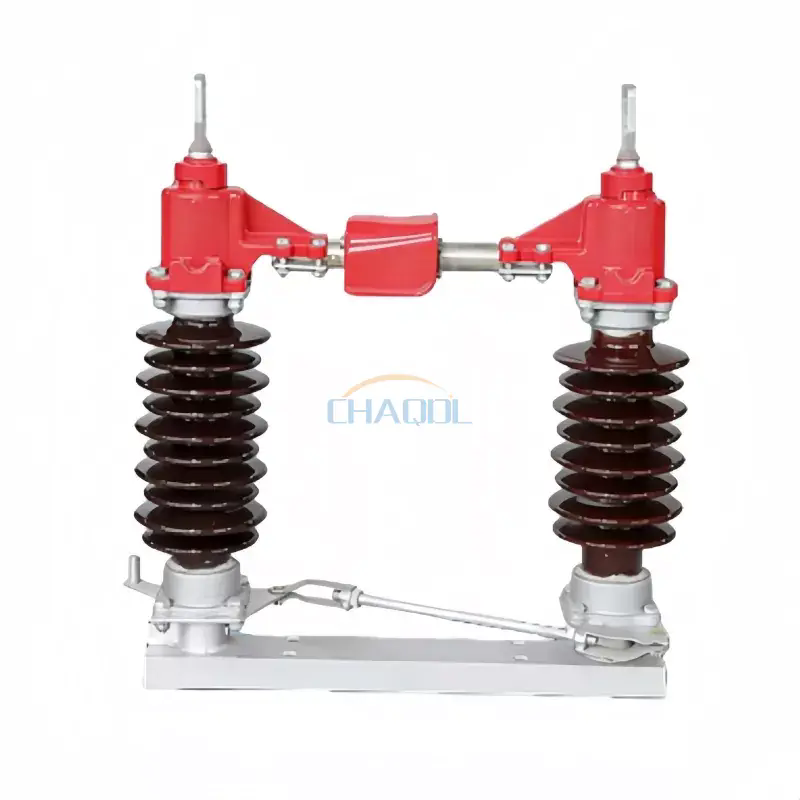
In electrical distribution systems, safety and reliability are non-negotiable. A disconnect switch, sometimes called an isolator switch, plays a critical role in ensuring that electrical circuits can be safely de-energized before maintenance or inspection. Unlike circuit breakers, disconnect switches are not designed to interrupt load current but to provide visible isolation.
In industrial environments, improper isolation can lead to catastrophic failures, equipment damage, and personnel hazards. This makes disconnect switches indispensable in substations, manufacturing plants, renewable energy systems, and commercial facilities.
Working Principle of Disconnect Switch
A disconnect switch operates on a straightforward mechanical principle: it physically separates conductive contacts to break the electrical circuit. When the switch is open, there is a visible air gap that ensures complete isolation.
Key operational characteristics include:
-
Manual or motorized operation: Depending on system requirements.
-
Visible break: Ensures confirmation of disconnection.
-
No load interruption: Must be operated when current is not flowing.
-
High dielectric strength: Prevents accidental arcing under rated conditions.
This simplicity enhances reliability and reduces failure points compared to more complex switching devices.
Why Disconnect Switches Matter in Power Systems
Disconnect switches are not just auxiliary components; they are essential for operational safety and system integrity. Their importance can be summarized in several key functions:
-
Personnel safety: Ensures maintenance teams can work without electrical exposure risks.
-
Equipment protection: Prevents unintended energization during servicing.
-
System segmentation: Allows partial shutdown without affecting entire networks.
-
Emergency isolation: Enables rapid disconnection during faults or abnormal conditions.
Without reliable isolation mechanisms, even advanced electrical systems would remain vulnerable to operational hazards.
Common Types of Disconnect Switches
Different applications require different disconnect switch configurations. Below are the most widely used types:
-
Air-break disconnect switches: Common in outdoor substations, using air as insulation.
-
Load break switches: Designed to interrupt load currents safely.
-
Fuse combination switches: Integrate overcurrent protection with isolation.
-
Rotary disconnect switches: Compact design used in control panels.
-
High-voltage disconnect switches: Used in transmission systems for grid isolation.
Each type is engineered for specific voltage levels, environmental conditions, and operational requirements.
Key Features Comparison Table
|
Type
|
Voltage Range
|
Load Interruption
|
Application
|
Complexity
|
|
Air-break Switch
|
Medium to High
|
No
|
Substations
|
Medium
|
|
Load Break Switch
|
Low to Medium
|
Yes
|
Distribution Systems
|
High
|
|
Fuse Combination
|
Low to Medium
|
Limited
|
Industrial Panels
|
Medium
|
|
Rotary Switch
|
Low
|
No
|
Control Cabinets
|
Low
|
Industrial and Commercial Applications
Disconnect switches are used across multiple industries where electrical isolation is critical. Typical applications include:
-
Power generation plants and substations
-
Industrial automation systems
-
Renewable energy installations such as solar farms
-
Commercial building distribution panels
-
Railway and transportation electrification systems
In each scenario, disconnect switches ensure safe operational boundaries between energized and de-energized sections of the system.
How to Select the Right Disconnect Switch
Choosing the correct disconnect switch requires evaluating multiple technical and environmental parameters:
-
Voltage rating: Must match system requirements.
-
Current capacity: Should exceed maximum load conditions.
-
Installation environment: Indoor, outdoor, humidity, and temperature factors.
-
Switching frequency: Determines mechanical durability needs.
-
Compliance standards: IEC, ANSI, or regional certifications.
Incorrect selection can lead to premature failure, safety risks, or inefficient operation.
Installation and Safety Considerations
Proper installation is critical for ensuring disconnect switch performance and safety. Key guidelines include:
-
Ensure complete de-energization before installation.
-
Maintain proper clearance distances to avoid arc flash hazards.
-
Use torque specifications recommended by the manufacturer.
-
Verify alignment of moving contacts for consistent operation.
-
Ground metallic structures appropriately.
Failure to follow installation standards may compromise both personnel safety and system reliability.
Maintenance Best Practices
Regular maintenance extends the lifespan and reliability of disconnect switches. Recommended practices include:
-
Periodic inspection of contact surfaces for wear or corrosion
-
Lubrication of mechanical components
-
Thermal imaging to detect abnormal heating
-
Functional testing under controlled conditions
-
Verification of insulation integrity
Preventive maintenance reduces unexpected downtime and improves system resilience.
Integration with Instrument Transformers
Disconnect switches often work in coordination with measurement and protection equipment such as instrument transformers. These devices help scale down high voltage and current levels for monitoring and protection systems.
For example, modern substations frequently integrate disconnect switches with voltage and current sensing systems to improve operational visibility. More technical insights into related components can be referenced from instrument transformer applications, which provide additional context on measurement accuracy and system protection strategies.
Such integration enhances grid stability and ensures precise fault detection and isolation.
Why Choose Anqiang Power
Anqiang Power provides high-performance electrical switching and power distribution solutions designed for industrial-grade reliability and long-term stability. Their disconnect switch systems are engineered to meet demanding operational conditions across global markets.
For project consultation, technical specifications, or customized solutions, Anqiang Power contact us to get professional support tailored to your electrical system requirements.
FAQ
1. What is the main purpose of a disconnect switch?
It is used to safely isolate electrical circuits for maintenance and emergency shutdowns without load interruption.
2. Can a disconnect switch interrupt current?
Most disconnect switches are not designed to break load current unless specifically rated as load break switches.
3. Where are disconnect switches commonly used?
They are widely used in substations, industrial plants, renewable energy systems, and commercial power distribution networks.
4. What is the difference between a circuit breaker and a disconnect switch?
A circuit breaker can interrupt fault currents, while a disconnect switch provides visible isolation but must be operated under no-load conditions.
5. How often should disconnect switches be maintained?
Maintenance intervals vary, but annual inspections are generally recommended in industrial environments.
Conclusion: Disconnect switches are essential components that ensure safe isolation, operational flexibility, and system reliability in electrical networks. Proper selection, installation, and maintenance significantly enhance their performance and contribute to long-term system safety.