

How Does a Current Transformer Work?
2026-06-02
Abstract: Current transformers (CTs) are essential components in electrical systems, providing accurate measurement and protection. This article explores the working principles, types, applications, and common issues of current transformers, helping engineers and maintenance professionals optimize system performance.
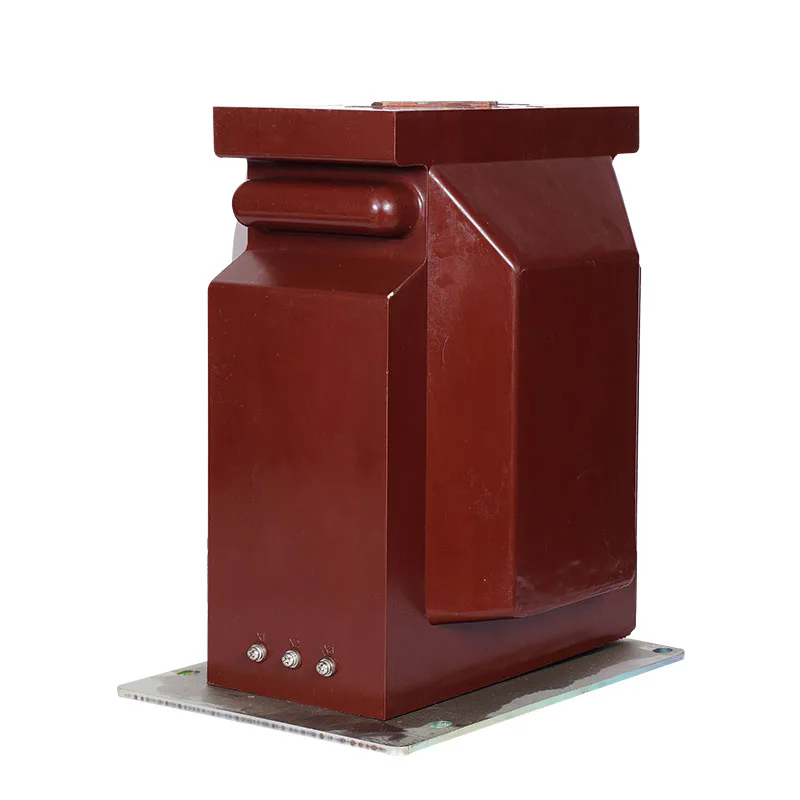
Table of Contents
- Introduction
- Working Principle of Current Transformers
- Types of Current Transformers
- Applications of Current Transformers
- Installation and Safety Tips
- Common Issues and Troubleshooting
- FAQ
- Conclusion
Introduction
Current transformers are widely used in power systems to measure high currents safely and accurately. They allow instruments and protective devices to operate with lower, manageable current levels. Understanding their function and proper usage is critical for electrical engineers, technicians, and facility managers.
Working Principle of Current Transformers
A current transformer works on the principle of electromagnetic induction. It transforms high primary currents into smaller, proportional secondary currents suitable for measurement devices or protective relays.
- Primary Winding: Connected to the high-voltage circuit.
- Secondary Winding: Provides a reduced current proportional to the primary current.
- Core: Typically made of laminated iron to reduce losses and ensure accurate magnetic flux conduction.
The current ratio and phase accuracy are crucial parameters in designing CTs to maintain system reliability and prevent errors in metering and protection.
Types of Current Transformers
Current transformers are categorized based on their construction, installation, and application:
| Type | Description | Typical Application |
|---|---|---|
| Bar-type CT | Primary conductor passes through the core directly. | High-current circuits and switchgear |
| Window-type CT | Core has a window for the primary conductor. | Retrofit installations and busbars |
| Wound-type CT | Primary winding is wound on the core like a regular transformer. | Precision measurement and calibration applications |
Applications of Current Transformers
Current transformers play a critical role in multiple areas of electrical systems:
- Metering: Provides accurate readings for energy billing.
- Protection: Works with protective relays to prevent system damage during faults.
- Monitoring: Helps track electrical load and optimize system efficiency.
- Automation: Enables SCADA and automated control systems to monitor real-time currents.
Installation and Safety Tips
Proper installation and handling are essential for current transformers to function safely and accurately:
- Always de-energize the circuit before installing or removing CTs.
- Ensure correct polarity marking (P1, P2 for primary; S1, S2 for secondary).
- Never leave the secondary open-circuited while primary is energized to avoid dangerous voltages.
- Regularly inspect for insulation integrity, core saturation, and mechanical stability.
Common Issues and Troubleshooting
Engineers often encounter several common problems with CTs:
- Core Saturation: Leads to measurement errors during high fault currents.
- Incorrect Ratio: Causes inaccurate readings and potential relay malfunctions.
- Loose Connections: May generate heat and reduce system reliability.
- Environmental Effects: High humidity or corrosive environments can degrade insulation over time.
Regular maintenance and testing can prevent these issues, ensuring accurate and reliable operation.
FAQ
Q1: What is the difference between a current transformer and a voltage transformer?
A1: A current transformer steps down current for measurement and protection, while a voltage transformer steps down voltage.
Q2: Can a CT be used for both protection and metering?
A2: Some CTs are dual-purpose, but accuracy class and rating must meet both requirements.
Q3: How often should a CT be tested?
A3: Periodic testing is recommended every 1-3 years, depending on operational conditions.
Q4: What happens if a CT secondary is open while the primary is energized?
A4: Dangerous high voltage can appear across the secondary, posing serious safety hazards.
Conclusion
Understanding current transformers is vital for accurate measurement, system protection, and operational efficiency. Selecting the correct type, ensuring proper installation, and performing regular maintenance can prevent common issues and enhance system performance.
For high-quality current transformers and professional support, explore Youbian's current transformer products and contact us for expert assistance tailored to your needs.