

How Does a Compressed Air Dryer Improve Industrial Efficiency?
2026-03-18
Summary: Compressed air is a vital resource in modern industrial operations, but moisture in compressed air can cause equipment damage, production delays, and increased maintenance costs. Compressed air dryers effectively remove water vapor, ensuring reliable and efficient operation. This article explores the working principle, types, benefits, and maintenance of compressed air dryers, helping industries optimize their air systems.
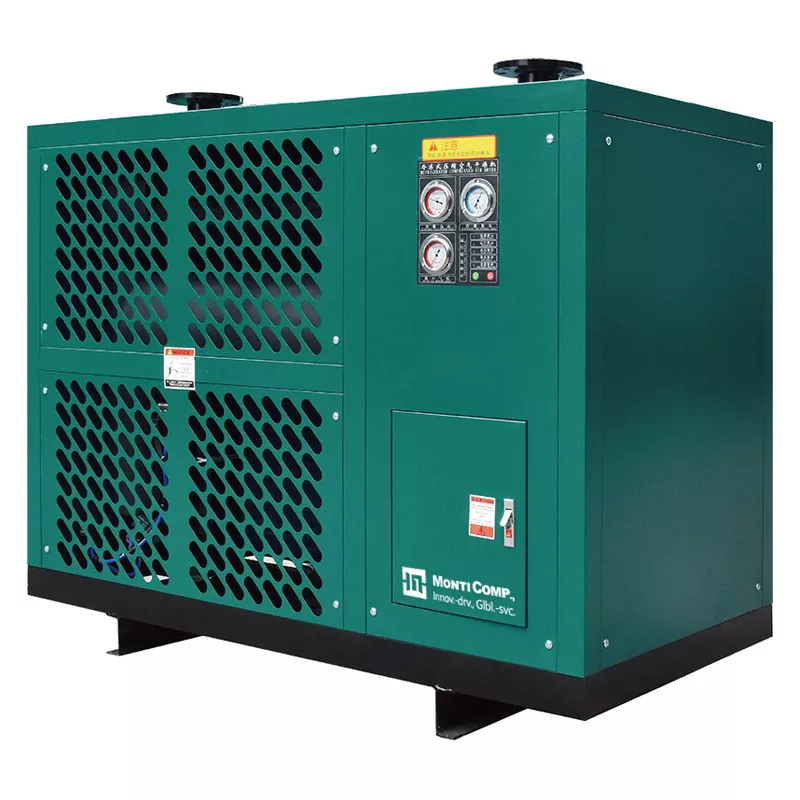
Table of Contents
- Introduction to Compressed Air Dryers
- Working Principle
- Types of Compressed Air Dryers
- Benefits of Using Compressed Air Dryers
- Industrial Applications
- Maintenance Tips
- Frequently Asked Questions
- Conclusion
Introduction to Compressed Air Dryers
In industrial environments, compressed air is widely used in pneumatic systems, production lines, and instrumentation. However, compressed air naturally contains water vapor that can condense, causing corrosion, product contamination, and equipment malfunction. Compressed air dryers are devices designed to remove moisture from compressed air, ensuring clean, dry air for safe and efficient operations. Dream manufactures a range of high-performance compressed air dryers suitable for various industrial needs.
Working Principle
Compressed air dryers operate by cooling, adsorption, or membrane separation techniques to remove moisture. The three most common working principles are:
- Refrigerated Dryers: Compress air is cooled, causing water vapor to condense. The condensed water is then drained, providing dry air at low dew points.
- Desiccant Dryers: Moisture is absorbed by desiccant material such as silica gel or activated alumina. Regeneration cycles ensure continuous drying.
- Membrane Dryers: Air passes through selective membranes that allow water vapor to permeate while retaining dry air.
Types of Compressed Air Dryers
| Type | Operating Principle | Typical Dew Point | Applications |
|---|---|---|---|
| Refrigerated Dryer | Cools air to condense moisture | 3°C to 10°C | General manufacturing, food packaging, automotive plants |
| Desiccant Dryer | Absorbs moisture using desiccant material | -40°C to -70°C | Pharmaceutical, chemical, electronics, and high-precision applications |
| Membrane Dryer | Uses selective membranes to separate water vapor | -20°C to -40°C | Laboratories, small-scale pneumatic tools, portable systems |
Benefits of Using Compressed Air Dryers
- Prevent Equipment Corrosion: Moisture removal extends the lifespan of compressors, valves, and pneumatic tools.
- Improve Product Quality: Dry air prevents water contamination in sensitive manufacturing processes.
- Reduce Maintenance Costs: Less moisture means fewer breakdowns and lower repair expenses.
- Energy Efficiency: Optimized air systems reduce energy consumption and operational costs.
- Compliance with Industry Standards: Many industries require air quality standards that dryers help meet.
Industrial Applications
Compressed air dryers are essential across multiple industries, including:
- Automotive assembly lines – for precise pneumatic tool operation.
- Food and beverage – to prevent microbial growth and product contamination.
- Pharmaceuticals – for controlled, moisture-free manufacturing environments.
- Electronics – to protect sensitive circuit boards and components.
- Textile industry – to ensure smooth operation of weaving and finishing machines.
Maintenance Tips for Compressed Air Dryers
Proper maintenance ensures reliability and efficiency. Key tips include:
- Regularly drain condensate from refrigerated dryers.
- Inspect and replace desiccant material in desiccant dryers according to manufacturer recommendations.
- Monitor pressure drop across the dryer to detect clogs or performance loss.
- Ensure ambient temperature and airflow meet operational specifications.
- Schedule periodic professional inspection to maintain optimal performance.
Frequently Asked Questions
Q1: How do I choose the right compressed air dryer for my factory?
A: Consider your required dew point, air flow rate, ambient conditions, and the sensitivity of your equipment. Dream provides expert consultation for selecting the optimal solution.
Q2: Can compressed air dryers save energy?
A: Yes. Dry air reduces pressure drops and prevents equipment inefficiency, indirectly saving energy.
Q3: What is the typical lifespan of a compressed air dryer?
A: Depending on usage and maintenance, refrigerated dryers typically last 10-15 years, while desiccant dryers can last 15-20 years.
Conclusion
Compressed air dryers play a crucial role in industrial efficiency, product quality, and equipment longevity. By selecting the right type and maintaining it properly, industries can prevent costly downtime and ensure stable operations. Dream offers a comprehensive range of compressed air dryers, tailored for diverse industrial needs, delivering reliable performance and peace of mind.
Contact us today to learn more about how Dream's compressed air dryers can enhance your production efficiency and air quality.