

How Do Tubular Wirewound Resistors Work?
2026-05-08
Summary: Tubular wirewound resistors are crucial components in high-power electronic circuits, known for their durability and precise resistance values. This article explores their construction, applications, advantages, and how they address common challenges in electrical systems. By understanding these resistors, engineers and technicians can select the right solutions for high-reliability applications.
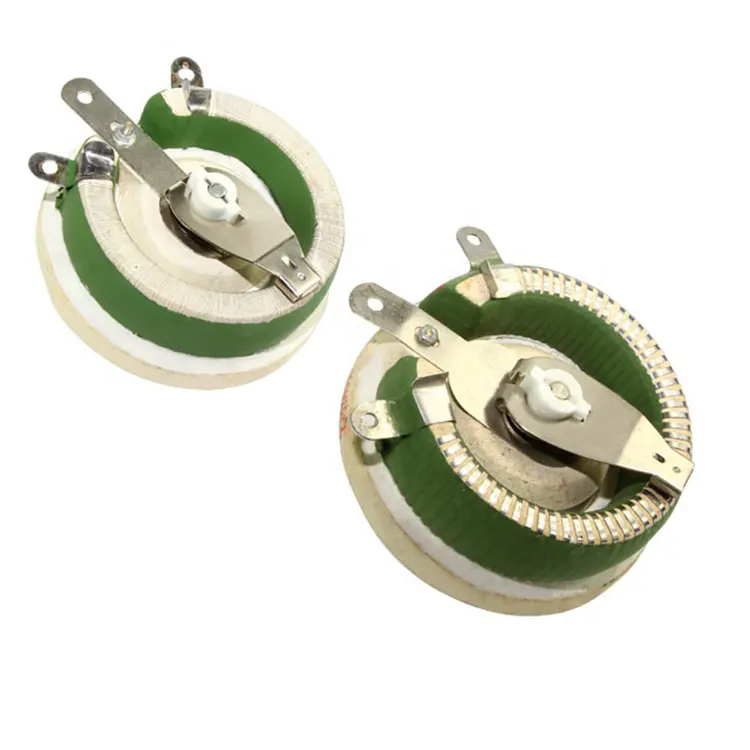
Table of Contents
- Introduction
- Construction of Tubular Wirewound Resistors
- Working Principle
- Applications in Industry
- Key Advantages
- How to Select the Right Resistor
- Installation and Maintenance Tips
- Frequently Asked Questions
- Conclusion
Introduction
Tubular wirewound resistors are high-precision resistors designed to handle significant power dissipation. Unlike film or carbon resistors, these resistors are specifically engineered for heavy-duty applications, making them indispensable in industrial, automotive, and power electronics sectors. RST Electric specializes in manufacturing these resistors with reliable performance and long service life.
Construction of Tubular Wirewound Resistors
The construction of a tubular wirewound resistor involves several key components:
- Resistive Wire: Usually made of nichrome or similar alloys, providing precise resistance values.
- Ceramic Core: Offers mechanical support and excellent heat dissipation.
- Tubular Housing: Encases the wire and protects it from mechanical damage and environmental exposure.
- End Caps and Leads: Facilitate electrical connection while ensuring stability under thermal cycling.
The following table summarizes common specifications:
| Parameter | Typical Range |
|---|---|
| Resistance | 0.1 Ω – 100 kΩ |
| Power Rating | 5 W – 500 W |
| Tolerance | ±1% – ±10% |
| Temperature Coefficient | ±50 ppm/°C – ±200 ppm/°C |
Working Principle
Tubular wirewound resistors function by converting electrical energy into heat through the resistive wire. When current passes through the wire, the inherent resistance generates thermal energy. The ceramic core efficiently dissipates this heat, preventing damage to the resistor or surrounding components. This mechanism makes tubular resistors ideal for high-current and high-voltage circuits.
Applications in Industry
These resistors are widely used in situations where stability and power handling are critical. Common applications include:
- Power supplies and converters
- Motor drives and industrial machinery
- Load testing and current limiting circuits
- Automotive electronics
- High-frequency applications requiring inductive stability
Key Advantages
Choosing a tubular wirewound resistor offers several benefits:
- High Power Handling: Capable of dissipating large amounts of heat without failure.
- Precision: Tight tolerance and stable resistance over time.
- Durability: Resistant to mechanical stress and thermal cycling.
- Customizable: Available in various sizes, resistance values, and power ratings to suit specific needs.
How to Select the Right Resistor
Choosing the right tubular wirewound resistor requires careful consideration:
- Power Rating: Ensure it exceeds the maximum expected load.
- Resistance Value: Match your circuit requirements precisely.
- Tolerance: Lower tolerance ensures more predictable performance.
- Environmental Conditions: Consider temperature, humidity, and potential exposure to chemicals.
For high-reliability industrial applications, RST Electric provides tailored solutions to meet these specifications.
Installation and Maintenance Tips
Proper installation ensures longevity and optimal performance:
- Mount resistors with adequate airflow to enhance heat dissipation.
- Avoid physical stress on leads to prevent mechanical failure.
- Regularly inspect for discoloration or cracks which may indicate overheating.
- Follow manufacturer guidelines for torque and mounting dimensions.
Frequently Asked Questions
Q1: Can tubular wirewound resistors handle surge currents?
A1: Yes, many models are designed to withstand short-term surge currents without damage.
Q2: How do I choose between a tubular wirewound and a metal oxide resistor?
A2: Tubular wirewound resistors are preferable for high power and inductive applications, while metal oxide resistors are better for moderate power and smaller size requirements.
Q3: What maintenance is required?
A3: Regular visual inspection and ensuring proper airflow are typically sufficient for long-term reliability.
Conclusion
Tubular wirewound resistors provide unmatched reliability, precision, and power handling in demanding applications. By understanding their construction, working principle, and advantages, engineers can make informed decisions when designing high-power circuits. RST Electric offers a comprehensive range of tubular wirewound resistors suitable for diverse industrial applications. For personalized recommendations or technical support, contact us today and discover how we can enhance your circuit performance.