

How Do Thermal Expansion Valves Improve Refrigeration Efficiency?
2025-10-16
Thermal Expansion Valves (TXVs) are pivotal components in modern refrigeration and air conditioning systems, precisely controlling the flow of refrigerant into the evaporator. By adjusting refrigerant flow according to the superheat of the evaporator, TXVs optimize cooling performance, reduce energy consumption, and prevent compressor damage caused by liquid refrigerant flooding.
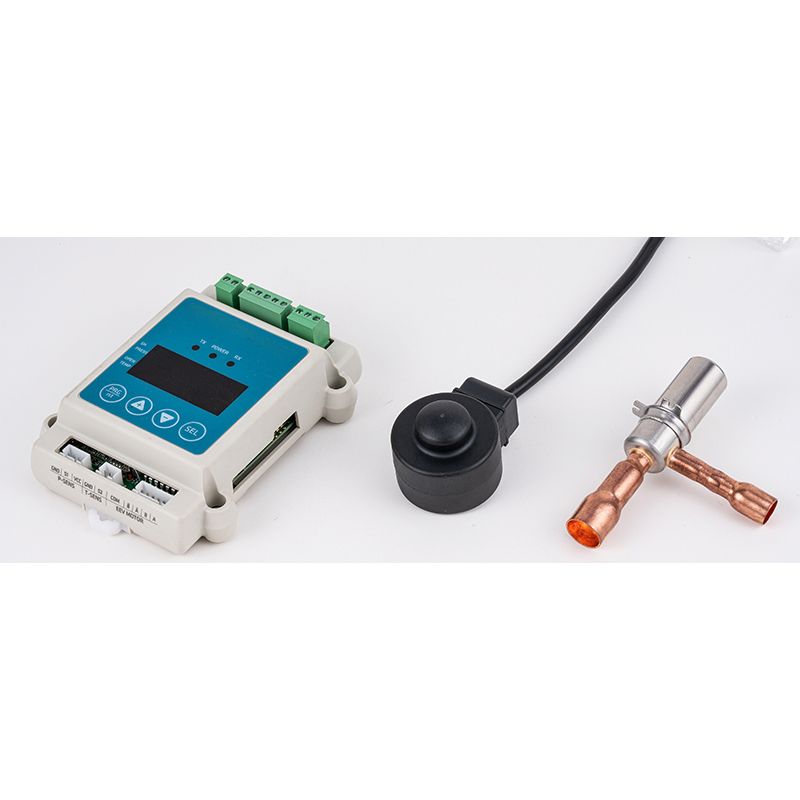
What Are Thermal Expansion Valves and Why Are They Critical in HVAC Systems?
Thermal Expansion Valves are mechanical devices that regulate the amount of refrigerant entering the evaporator. Unlike simple fixed-orifice systems, TXVs adjust the flow dynamically based on the temperature and pressure of the evaporator, ensuring precise superheat control.
Key Advantages of Using TXVs:
-
Improved energy efficiency by controlling refrigerant flow accurately
-
Enhanced system reliability by preventing liquid slugging in compressors
-
Extended equipment lifespan due to optimized operational conditions
-
Adaptability to varying load conditions in commercial and industrial HVAC systems
Professional Parameters of High-Performance TXVs:
| Parameter | Specification | Description |
|---|---|---|
| Refrigerant Compatibility | R134a, R22, R410A, R32 | Compatible with multiple refrigerants for versatile applications |
| Valve Type | External equalizer, Internal equalizer | Ensures stable superheat control under different system configurations |
| Flow Capacity (kW) | 1–50 kW | Suitable for small to medium commercial refrigeration units |
| Operating Pressure | 0–35 bar | Wide operating range for diverse refrigeration environments |
| Superheat Setting | 5–15°C adjustable | Allows precise control of evaporator temperature and efficiency |
| Material | Brass or stainless steel | High corrosion resistance and durability |
| Ambient Temperature Range | -40°C to +60°C | Suitable for extreme environmental conditions |
| Connection Type | Flared, threaded, or soldered | Flexible installation options for different HVAC systems |
Thermal Expansion Valves are indispensable in high-efficiency cooling systems because they actively adjust refrigerant flow to match thermal load conditions. Without TXVs, systems risk inefficiency, increased wear, and reduced cooling performance.
How Do Thermal Expansion Valves Work and What Makes Their Design Efficient?
TXVs operate by responding to the temperature of the evaporator outlet, which reflects the amount of heat absorbed by the refrigerant. A sensing bulb attached to the evaporator outlet contains refrigerant that expands or contracts with temperature changes, mechanically adjusting the valve’s needle to control refrigerant flow.
Why This Mechanism Is Effective:
-
Adaptive Superheat Control: Maintains a consistent superheat at the evaporator outlet regardless of load variations.
-
Preventing Liquid Floodback: Stops excessive refrigerant from returning to the compressor, reducing mechanical failure risks.
-
Energy Optimization: By regulating refrigerant flow precisely, TXVs prevent overcooling and unnecessary compressor cycling.
Technical Insights:
-
Internal vs. External Equalizer: Internal equalizer TXVs are simpler but suitable for low-pressure drop applications, whereas external equalizers are essential for larger systems with significant pressure losses in the evaporator.
-
Adjustability: High-end TXVs allow manual or automatic adjustment of superheat, enabling fine-tuning for system efficiency.
-
Material Selection: Durable materials like brass or stainless steel ensure long-term reliability in high-pressure and corrosive environments.
By combining accurate sensing mechanisms, durable construction, and flow optimization, TXVs form the backbone of efficient, reliable refrigeration and air conditioning systems.
Why Are Thermal Expansion Valves Essential for Energy-Efficient and Environmentally Friendly Cooling?
The role of TXVs extends beyond operational reliability. In modern HVAC systems, energy efficiency and environmental compliance are paramount. TXVs contribute significantly to these goals by:
-
Minimizing Energy Waste: TXVs precisely regulate refrigerant, reducing unnecessary compressor activity and power consumption.
-
Supporting Low-GWP Refrigerants: Modern TXVs are designed to work with environmentally friendly refrigerants such as R32 and R410A, enabling compliance with international climate regulations.
-
Enhancing Heat Transfer Efficiency: By maintaining optimal evaporator superheat, TXVs ensure maximal refrigerant heat absorption, reducing the workload on condensers.
-
Reducing System Wear: Proper refrigerant control decreases the frequency of high-pressure spikes, extending system life and lowering maintenance costs.
Common Applications:
-
Commercial refrigeration units in supermarkets and cold storage facilities
-
Air conditioning systems in office buildings and industrial plants
-
Heat pump systems requiring precise superheat regulation for optimal heating and cooling
Frequently Asked Questions:
Q1: How do I know if my TXV is malfunctioning?
A1: Signs of a malfunctioning TXV include fluctuating superheat, uneven cooling in the evaporator, frost accumulation on the evaporator coil, or unusual compressor noise. Diagnosing a faulty TXV typically involves checking pressure readings, inspecting the sensing bulb, and verifying refrigerant flow.
Q2: Can TXVs be adjusted for different refrigerants?
A2: Yes, most modern TXVs allow adjustment of the superheat setting to accommodate different refrigerants. It is essential to consult manufacturer guidelines to ensure correct compatibility and adjustment procedure for optimal performance.
How Do High-Quality Thermal Expansion Valves Enhance System Performance and Future Trends?
High-quality TXVs, like those from SANHENG, combine precise engineering, durable materials, and flexible compatibility with modern refrigerants. These valves not only improve system performance today but also align with emerging HVAC trends.
Performance Enhancement Factors:
-
Precision Engineering: Needle and seat design ensures accurate refrigerant metering.
-
Corrosion Resistance: Brass or stainless steel construction prolongs lifespan even in harsh conditions.
-
Flexible Installation: Multiple connection options allow integration into both new and retrofit systems.
-
Environmentally Conscious Design: Supports HFOs and low-GWP refrigerants, aligning with evolving climate standards.
Future Trends in TXV Technology:
-
Smart TXVs: Integration with IoT-enabled HVAC systems for real-time superheat monitoring and remote adjustment.
-
Adaptive Learning Systems: TXVs that adjust based on historical load data to optimize energy use automatically.
-
Eco-Friendly Refrigerant Compatibility: Expanding support for natural refrigerants like CO₂ and ammonia in commercial applications.
Thermal Expansion Valves will continue to evolve, driven by the demand for high-efficiency, low-emission HVAC systems. SANHENG’s TXVs exemplify the combination of quality, reliability, and forward-thinking design. Their products are engineered for precise refrigerant control, energy savings, and environmental compliance. For further inquiries about SANHENG Thermal Expansion Valves and customized solutions, contact us for professional guidance and support.