

How Can Conductor Stringing Blocks Improve Your Transmission Efficiency?
2025-09-23
Conductor stringing blocks are fundamental tools used in the construction and maintenance of overhead power lines.
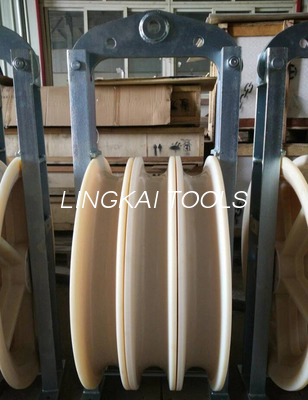
In simple terms, conductor stringing blocks act as guiding pulleys during the stringing process of conductors. They are designed to support the conductor while it is being pulled into position, ensuring smooth movement along transmission towers and reducing the risk of damage. By minimizing friction and preventing excessive wear, stringing blocks enhance operational safety and efficiency.
Typically made from high-strength materials like forged steel, aluminum, or engineered polymers, these blocks are capable of withstanding heavy loads and harsh environmental conditions. Their design focuses on balancing durability, flexibility, and safety to accommodate different conductor sizes and weights.
From a functional perspective, conductor stringing blocks come in various configurations, including single-sheave, double-sheave, and multi-sheave designs, each serving specific applications based on the span length, conductor tension, and installation environment. Choosing the right block design can significantly reduce downtime and labor costs during line installation.
Key Benefits of Using Conductor Stringing Blocks
-
Enhanced Conductor Protection – Reduces risk of conductor abrasion and mechanical stress.
-
Load Distribution Efficiency – Optimized sheave design ensures balanced load distribution.
-
Durability in Harsh Conditions – Materials resist corrosion, UV exposure, and extreme temperatures.
-
Safety and Ergonomics – Smooth operation lowers the risk of accidents during stringing.
-
Time Efficiency – Reduces installation time with minimal need for adjustments or maintenance.
How Do Conductor Stringing Blocks Work in Transmission Projects?
Understanding the mechanics behind conductor stringing blocks can provide insight into their essential role in transmission line efficiency. How do these devices operate under real-world conditions?
At its core, a stringing block functions as a low-friction pulley. During the conductor installation, the conductor rope or cable is fed through the block’s sheave, which rotates smoothly under the tension of the pull line. This rotation allows the conductor to travel over long distances without excessive resistance or potential damage.
Key factors influencing block performance include:
-
Sheave Diameter and Material – Larger diameters reduce bending stress on conductors, while high-strength materials improve wear resistance.
-
Load Capacity – Blocks are rated according to the maximum conductor tension they can handle safely. Selecting the correct load capacity prevents overloading and potential failure.
-
Attachment Mechanism – Blocks can be attached to temporary structures, live-line tools, or tower arms using hooks, clamps, or shackles. Secure attachment ensures stability during stringing operations.
-
Rotation and Lubrication – High-quality bearings minimize friction and allow smooth rotation even under continuous heavy loads, extending the lifespan of both the block and the conductor.
Additionally, proper alignment of the stringing block with the conductor path is critical. Misalignment can lead to increased wear, conductor damage, or mechanical failure. Professional installers often conduct careful pre-installation surveys to determine optimal placement for each block, considering factors such as wind, tower spacing, and conductor sag.
By improving conductor handling and reducing friction, stringing blocks contribute directly to the efficiency, reliability, and safety of overhead power line projects.
Product Specifications and Professional Applications
For engineers and project managers, understanding detailed specifications is essential when selecting conductor stringing blocks. Below is a structured overview highlighting critical technical parameters:
| Parameter | Specification / Detail |
|---|---|
| Material | Forged steel, aluminum alloy, or high-performance polymer |
| Sheave Diameter | 200mm – 800mm (depending on conductor size and tension) |
| Load Capacity | 1,000 kg – 50,000 kg |
| Sheave Type | Single, double, multi-sheave |
| Bearing Type | Sealed roller or ball bearings for smooth rotation |
| Finish / Coating | Galvanized, anodized, or powder-coated for corrosion resistance |
| Operating Temperature | -40°C to +80°C |
| Applications | Transmission lines, distribution lines, high-tension projects |
These specifications are not only technical markers but also indicators of performance and safety. For example, engineers working in mountainous terrains or high-wind areas may prefer larger sheaves with reinforced bearings to minimize wear and conductor sway. Conversely, urban installation projects often benefit from compact blocks that are easier to maneuver in restricted spaces.
By carefully matching stringing block specifications to project requirements, companies can achieve faster installation times, reduced operational risks, and extended service life of both conductors and equipment.
Common Questions About Conductor Stringing Blocks
Here are some practical FAQs addressing the most common concerns regarding conductor stringing blocks:
Q1: How do I select the right conductor stringing block for my project?
A1: Consider the conductor type, tension, span length, and environmental conditions. Match the block’s load capacity and sheave diameter to the conductor specifications. Always choose blocks with high-quality bearings to reduce friction and wear.
Q2: Can conductor stringing blocks be used for live-line maintenance?
A2: Yes, but only blocks rated for live-line applications should be used. These blocks are insulated or designed to prevent electrical conduction, ensuring safety for personnel while handling energized lines.
Q3: How often should conductor stringing blocks be inspected?
A3: Regular inspection is critical. Check for sheave wear, bearing function, corrosion, and attachment integrity. Inspections should occur before each major project and periodically during long-term use to ensure operational safety.
Proper use of stringing blocks not only improves efficiency but also extends the life of the conductors and reduces the likelihood of project delays caused by equipment failure.
In conclusion, conductor stringing blocks are indispensable tools for modern transmission line construction and maintenance. By understanding their functions, mechanics, and specifications, engineers can optimize installation efficiency, enhance safety, and protect valuable conductor assets. For projects demanding reliability and high performance, Lingkai offers a complete range of professionally engineered conductor stringing blocks designed to meet diverse industry needs. To learn more about our products or request a customized solution, contact us today.