

How AC Contactors Enhance Electrical System Efficiency?
2026-05-09
Article Summary: AC contactors are essential components in modern electrical systems, providing reliable switching and control for a variety of applications. This article explores how AC contactors work, their types, applications, advantages, and how choosing the right contactor from Geyue Electric can optimize your electrical system performance.
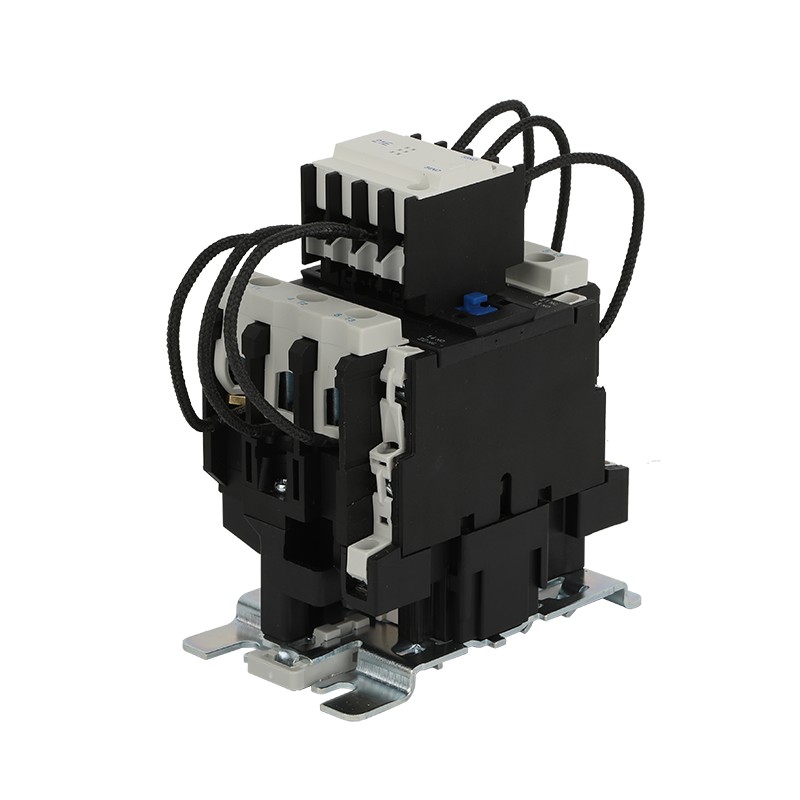
Table of Contents
- Introduction to AC Contactors
- How AC Contactors Work
- Types of AC Contactors
- Why Choose AC Contactors
- Common Applications
- Selecting the Right AC Contactor
- Frequently Asked Questions
Introduction to AC Contactors
AC contactors are electrical devices designed to control the flow of alternating current (AC) in circuits. They function as heavy-duty switches, capable of handling high current loads while providing remote control capabilities. Industries, commercial buildings, and even residential setups rely on AC contactors for efficient and safe operation.
At Geyue Electric, our AC contactors are engineered to meet rigorous standards, ensuring durability, reliability, and energy efficiency.
How AC Contactors Work
AC contactors operate using an electromagnetic coil that creates a magnetic field when energized. This magnetic field pulls in the movable contacts, closing the circuit and allowing current to pass through. When the coil is de-energized, the contacts return to their original position, opening the circuit.
The process can be summarized in the following steps:
- Power is applied to the coil of the contactor.
- The electromagnetic field activates the armature.
- The main contacts close, completing the electrical circuit.
- The load device receives power.
- When the coil is de-energized, contacts open and disconnect the load.
This mechanism allows AC contactors to safely switch high currents with minimal human intervention, enhancing both operational efficiency and safety.
Types of AC Contactors
AC contactors come in various types depending on their specific application and performance requirements. The main types include:
| Type | Description | Typical Application |
|---|---|---|
| Electromechanical Contactor | Traditional AC contactor using mechanical contacts operated by an electromagnetic coil. | Industrial motors, HVAC systems |
| Vacuum Contactor | Contacts operate in a vacuum to reduce arc and wear. | High-voltage applications, heavy-duty industrial machines |
| Solid State Contactor | No moving parts; uses semiconductor switching elements. | Fast switching, silent operation, precise control |
Why Choose AC Contactors
Investing in high-quality AC contactors can provide significant advantages for your electrical system:
- Reliable Performance: Designed to handle high loads with minimal downtime.
- Extended Lifespan: High-quality materials reduce wear and tear, ensuring long service life.
- Safety: Efficiently isolates electrical circuits, reducing the risk of overloads and accidents.
- Energy Efficiency: Optimized coil design minimizes power consumption during operation.
- Versatility: Compatible with various control circuits and automation systems.
Geyue Electric AC contactors are engineered to provide all these benefits, making them a preferred choice for both industrial and commercial applications.
Common Applications
AC contactors are widely used across multiple sectors. Some common applications include:
- Motor Control: AC contactors start and stop large motors safely.
- Lighting Systems: Remote switching of large lighting loads.
- Heating and HVAC: Control of heaters, air conditioners, and ventilation systems.
- Automation Equipment: Used in conveyor systems, machinery, and industrial robotics.
- Power Distribution Panels: Switching circuits in electrical panels for factories or commercial buildings.
Selecting the Right AC Contactor
Choosing the appropriate AC contactor depends on several critical factors:
- Load Current: Ensure the contactor can handle the maximum current of your application.
- Voltage Rating: Match the voltage of the contactor to your system.
- Coil Voltage: Verify the coil voltage aligns with your control circuit.
- Environmental Conditions: Consider temperature, humidity, and exposure to dust or chemicals.
- Durability Requirements: For frequent switching, choose a contactor designed for a high mechanical and electrical life.
Geyue Electric offers a wide range of AC contactors with detailed specifications to help customers select the perfect model for their needs. Visit our product page for more information.
Frequently Asked Questions
- Q: How long do AC contactors typically last?
- A: Mechanical AC contactors can last up to 10 years under normal conditions, depending on load and frequency of operation.
- Q: Can AC contactors control DC loads?
- A: Standard AC contactors are designed for AC loads. For DC, a specific DC contactor is recommended.
- Q: What maintenance is required for AC contactors?
- A: Periodic inspection for dust, corrosion, and contact wear is recommended. Mechanical contactors may require occasional contact replacement.
- Q: Why choose Geyue Electric contactors?
- A: Geyue Electric contactors provide reliable performance, long lifespan, and compliance with international safety standards.
Choosing the right AC contactor can dramatically improve system efficiency, safety, and reliability. For businesses and industries seeking dependable electrical control solutions, Geyue Electric offers high-quality AC contactors suitable for all applications. Contact us today to explore our product range and enhance your electrical system performance.