

Medical Device Wire Manufacturing: Innovations in Orthodontic and Stent Technology
2026-02-07
In the ever-evolving landscape of medical device manufacturing, precision wire plays a critical role in shaping innovations that transform patient care—from orthodontic braces that straighten smiles to life-saving stents that restore blood flow. Yet, behind these advancements lies a world of intricate engineering and specialized fabrication techniques that often go unnoticed. This blog explores the cutting-edge developments in wire manufacturing for orthodontics and stents, delving into how refined processes and materials are pushing the boundaries of medical technology. At GRM, we're at the forefront of these innovations, crafting wires that meet the stringent demands of modern healthcare. Whether you're an engineer, clinician, or simply curious about the science behind medical devices, join us as we uncover the stories woven into every strand—where quality, precision, and innovation converge to create healthier futures.
Advanced Materials Revolutionizing Orthodontic Wire Design
For decades, orthodontic treatments have relied on wires made from traditional alloys, offering patients a way to correct misalignments but often with some discomfort and lengthy procedures. Recently, a wave of innovative materials has swept into this field, transforming the very core of wire design and boosting the effectiveness and comfort of braces. These advanced options, such as shape-memory alloys and nickel-titanium variants, allow wires to exert gentler, more consistent forces on teeth. This shift not only speeds up treatment times but also reduces the need for frequent adjustments, making the whole process smoother for everyone involved.
Beyond just improving existing methods, these new materials are enabling groundbreaking approaches that set modern orthodontics apart. Superelastic wires, for instance, can maintain their corrective pressure even as teeth move, unlike older materials that lose efficiency over time. This leads to more predictable outcomes and fewer surprises during treatment. Coupled with aesthetic enhancements like tooth-colored or clear wires, these innovations cater to patients seeking discreet options without compromising on performance, blending seamlessly into daily life while delivering powerful results.
Looking ahead, the integration of smart materials and biocompatible composites promises to push orthodontic wire design even further. Researchers are exploring wires that can respond to specific conditions in the mouth, such as temperature changes or pH levels, offering personalized care tailored to individual needs. This evolution not only enhances patient comfort but also opens doors to more efficient, adaptive treatments that could redefine standards in dental care, making orthodontics more accessible and effective for diverse populations worldwide.
Precision Manufacturing Techniques for Customized Stent Applications
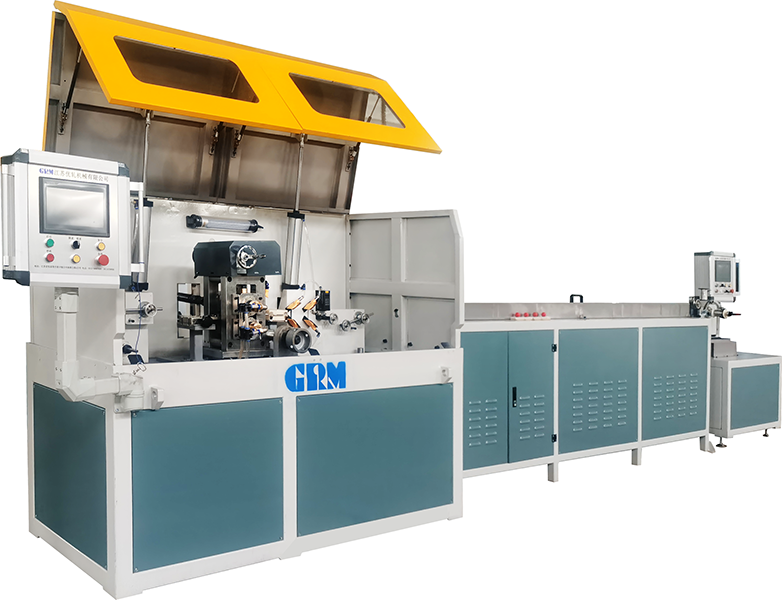
In the realm of cardiovascular interventions, tailored stent solutions are revolutionizing patient care by addressing unique anatomical complexities. Unlike off-the-shelf devices, customized stents demand manufacturing processes that blend meticulous design with advanced fabrication methods. These techniques often start with patient-specific imaging, such as CT or MRI scans, which inform digital models used to create stents with precise dimensions and mechanical properties. This shift towards personalization ensures that stents fit seamlessly into individual vascular structures, potentially reducing complications like stent migration or restenosis, and highlights a move towards more patient-centric medical devices.
Advanced manufacturing technologies, like laser cutting and 3D printing, are at the forefront of producing these bespoke stents with high accuracy. Laser cutting allows for intricate patterns to be etched into materials such as nitinol or cobalt-chromium alloys, enabling designs that promote better flexibility and drug-elution capabilities. Meanwhile, additive manufacturing, particularly 3D printing, offers unparalleled freedom in shaping complex geometries directly from digital blueprints. This capability facilitates rapid prototyping and small-batch production, making it feasible to craft stents for rare conditions without the high costs associated with traditional mass manufacturing. By integrating these methods, manufacturers can achieve a balance between structural integrity and therapeutic function, meeting the diverse needs of patients with varying pathologies.
Looking ahead, the evolution of precision techniques is poised to incorporate smart materials and real-time data analytics, enhancing stent customization further. Innovations such as biodegradable polymers and sensor-embedded stents are being developed to monitor healing processes or deliver targeted therapies post-implantation. These advancements not only improve clinical outcomes but also streamline the manufacturing workflow, reducing lead times and increasing accessibility for specialized cases. As research progresses, the synergy between engineering and medicine promises to unlock new possibilities in stent design, making personalized treatments a standard rather than an exception in cardiovascular care.
Innovative Coatings Enhancing Biocompatibility in Medical Wires
In the rapidly advancing field of medical devices, achieving optimal biocompatibility in components like wires is crucial for patient safety and device longevity. Innovative coatings have emerged as a game-changer, transforming standard wires into sophisticated tools that minimize immune reactions and enhance integration with biological tissues. These coatings are engineered from materials such as hydrophilic polymers, which reduce friction and promote smooth tissue gliding, or bioactive substances that encourage cell adhesion and regeneration. By tailoring surface properties, medical wires can now resist bacterial colonization and prevent inflammatory responses, paving the way for safer, more effective procedures in minimally invasive surgeries and implantable devices.
What sets these coatings apart is their application-specific design, moving beyond generic solutions to address unique clinical challenges. For instance, in cardiovascular applications, wires are often coated with antithrombogenic agents to prevent blood clots, while orthopedic uses might involve coatings that release therapeutic agents to accelerate bone healing. Unlike older methods that relied on passive barriers, modern innovations incorporate smart materials that respond to environmental cues, such as pH changes or mechanical stress, ensuring targeted performance. This adaptability not only reduces the risk of complications like infections or device rejection but also shortens recovery times, making treatments more efficient and patient-friendly.
Looking ahead, the development of these coatings is driving personalized medicine forward, with research focusing on customizing formulations to match individual patient profiles and specific procedures. By leveraging nanotechnology and advanced biocompatible polymers, manufacturers can create ultra-thin, durable layers that maintain integrity under physiological conditions, without adding bulk or compromising flexibility. As these innovations become more widespread, they are revolutionizing how medical wires interact with the human body, setting new standards for reliability and comfort in healthcare settings, and ultimately improving outcomes across diverse therapeutic areas.
Smart Integration of Sensors in Orthodontic Treatment Monitoring
In modern orthodontics, sensors are revolutionizing how treatments are tracked and adjusted. These tiny devices, often integrated into braces or aligners, continuously monitor tooth movement and forces applied, providing real-time data that was previously unattainable. By embedding sensors directly into appliances, clinicians can now access detailed insights into patient compliance and biomechanical responses, allowing for more precise and personalized adjustments during check-ups.
The integration goes beyond simple monitoring; it enables proactive interventions by alerting patients and orthodontists to issues like excessive pressure or missed wear time. This smart approach reduces guesswork in treatment planning, potentially shortening overall durations and improving outcomes. With wireless connectivity, data seamlessly flows to mobile apps or cloud platforms, empowering patients to engage actively in their care while giving practitioners a clearer picture of progress between visits.
Looking ahead, this sensor-driven paradigm is poised to enhance predictive analytics in orthodontics. By analyzing accumulated data, algorithms could forecast treatment trajectories or identify potential complications early. This not only refines individual care but also contributes to broader research, helping refine protocols for more effective and comfortable orthodontic solutions across diverse populations.
Next-Generation Stent Technologies for Minimally Invasive Procedures
Advancements in stent technologies are reshaping minimally invasive procedures by introducing materials and designs that enhance patient-specific outcomes. Instead of relying on traditional metal alloys, newer stents incorporate bioresorbable polymers or drug-eluting coatings that gradually dissolve over time, reducing long-term complications like restenosis. These innovations allow for more precise deployment and better integration with surrounding tissues, minimizing inflammation and promoting natural healing pathways. For instance, some next-gen stents feature self-expanding mechanisms that adjust to vessel movements, offering greater flexibility in dynamic anatomical environments.
What sets these emerging technologies apart is their ability to leverage smart, responsive features that adapt to individual patient needs. Imagine a stent embedded with micro-sensors that monitor blood flow in real-time, alerting healthcare teams to potential issues before they escalate. This proactive approach not only improves safety but also personalizes treatment, moving beyond one-size-fits-all solutions. Coupled with advancements in imaging techniques like optical coherence tomography, these stents can be tailored for specific lesions, ensuring optimal placement and sustained efficacy in complex cardiovascular or neurological cases.
Beyond medical benefits, the latest stent designs are pushing boundaries in manufacturability and accessibility. Through 3D printing and nanotechnology, researchers are creating ultra-thin, durable structures that reduce procedural times and recovery periods. This evolution is particularly impactful in remote or resource-limited settings, where minimally invasive options can lower healthcare costs and improve patient compliance. As these technologies mature, they promise to redefine standards of care, fostering a future where interventions are less invasive, more targeted, and inherently more attuned to the nuances of human physiology.
Sustainable Production Methods in Medical Device Wire Fabrication
In the medical device industry, wire fabrication processes are increasingly adopting sustainable methods to reduce environmental impact without compromising on quality or safety. Many manufacturers now implement closed-loop water systems that recycle cooling and cleaning fluids, significantly cutting down water consumption and minimizing waste discharge. This approach not only conserves resources but also lowers operational costs in the long term.
Another key trend is the shift towards using recycled or bio-based materials for wire insulation and coatings, such as polylactic acid derived from renewable sources like corn starch. These materials break down more easily in the environment compared to traditional plastics, reducing the carbon footprint of medical devices while maintaining biocompatibility and durability. Some companies have also started integrating energy-efficient machinery, like low-power laser cutters and automated systems that optimize wire lengths to reduce material scrap.
Beyond materials and energy, sustainable practices extend to supply chain management, with firms prioritizing local sourcing to cut transportation emissions and collaborating with suppliers who adhere to eco-friendly standards. By embedding sustainability into every stage of wire fabrication—from raw material selection to end-of-life disposal—the medical device sector is paving the way for greener healthcare solutions that benefit both patients and the planet.
FAQ
Recent advancements include the use of shape-memory alloys like nickel-titanium, which allow wires to adapt to dental movements over time, and laser etching for precise customization, improving treatment efficiency and patient comfort.
Stent wires often require higher precision and biocompatibility for cardiovascular use, employing techniques such as electropolishing to reduce thrombogenicity and advanced coiling methods for flexibility, whereas orthodontic wires focus more on gradual force application and corrosion resistance in the oral environment.
Smart materials, such as biodegradable polymers and superelastic alloys, enable wires to respond to physiological conditions, like dissolving after stent placement or adjusting tension in orthodontics, reducing the need for additional surgeries or adjustments.
Yes, the industry is increasingly adopting eco-friendly practices, such as using recyclable materials and energy-efficient manufacturing processes, to minimize environmental impact while maintaining strict medical safety standards.
Key challenges include ensuring consistent quality in mass production, meeting diverse regulatory requirements globally, and balancing cost-effectiveness with advanced material innovations that require specialized equipment and expertise.
3D printing allows for rapid prototyping and patient-specific wire geometries, enabling custom-fit stents and orthodontic appliances that improve outcomes by closely matching anatomical structures, though it is still emerging in full-scale manufacturing.
Surface treatments, like coating with biocompatible polymers or antimicrobial agents, enhance performance by reducing friction in orthodontic wires or preventing infections in stents, crucial for long-term implantation and patient safety.
Emerging trends include the integration of nanotechnology for stronger, more responsive wires, AI-driven design for optimized performance, and hybrid materials that combine flexibility with drug-eluting capabilities, promising more personalized and effective medical treatments.
Conclusion
In the realm of medical device wire manufacturing, significant innovations are reshaping orthodontic and stent technologies, driven by advanced materials and precision techniques. The advent of novel alloys and composites is revolutionizing orthodontic wire design, enabling enhanced flexibility and strength for tailored treatments, while innovative coatings improve biocompatibility, reducing adverse reactions in patients. Concurrently, precision manufacturing methods allow for customized stent applications, facilitating minimally invasive procedures through next-generation technologies that optimize patient outcomes and recovery times. These advancements collectively underscore a shift toward more effective and personalized medical solutions.
Beyond material and manufacturing breakthroughs, smart integration and sustainability are emerging as key trends. The incorporation of sensors into orthodontic wires enables real-time monitoring of treatment progress, enhancing diagnostic accuracy and patient engagement. Meanwhile, sustainable production methods in wire fabrication address environmental concerns, promoting eco-friendly practices without compromising quality. Together, these innovations in orthodontic and stent technology highlight a holistic approach that balances technological sophistication with biocompatibility and resource efficiency, paving the way for future developments in medical device manufacturing.
Contact Us
Contact Person: Rayna
Email: [email protected]
Tel/WhatsApp: 86 -173 1474 6343
Website: https://www.grmrollingmill.com/