

INNOMOTICS Frequency Converter Vendors: A Guide to Reliable Partners
2026-06-21
Choosing the right frequency converter vendor isn’t just a procurement task—it’s a strategic move that can define your system’s reliability and efficiency. INNOMOTICS drives are at the heart of countless industrial applications, yet their performance hinges on the partner behind the sale. That’s where Soochee stands apart: a supplier built on deep technical insight, not just inventory. In this guide, we cut through the noise to show what truly makes a vendor trustworthy, from real-world support to supply chain resilience. Whether you’re scaling up or fine-tuning legacy equipment, the following insights will help you pick a partner, not just a seller.
Spotting Real Expertise in Variable Frequency Drives
Anyone can memorize spec sheets, but real expertise in variable frequency drives reveals itself in how a person handles the edge cases. It's in the explanation of harmonic mitigation not as a checklist item, but as a nuanced trade-off between cost, footprint, and actual power quality needs. Pay attention to whether they talk about drive sizing based on application torque profiles rather than just matching horsepower—that signals they understand the motor-drive system as a whole.
Genuine knowledge often surfaces in the way someone navigates communication protocols and integration. Instead of simply listing supported fieldbuses, a seasoned professional will ask about your existing control architecture and suggest a setup that minimizes latency or simplifies diagnostics. They'll be candid about compatibility pitfalls with older motors or legacy PLCs, and they can recommend practical workarounds without immediately pushing a full system upgrade.
One underrated marker of deep experience is the advice that goes beyond the drive itself. Real experts frequently bring up topics like cabling practices, cooling requirements, or line reactor selection without being prompted. They’ll discuss programming techniques for avoiding mechanical resonance in specific load types, or share maintenance tips that reflect years of post-installation observation. When someone shifts the conversation toward long-term reliability and operational efficiency instead of just the initial purchase, you’re likely talking to someone with genuine hands-on understanding.
How INNOMOTICS Partners Actually Tackle Downtime
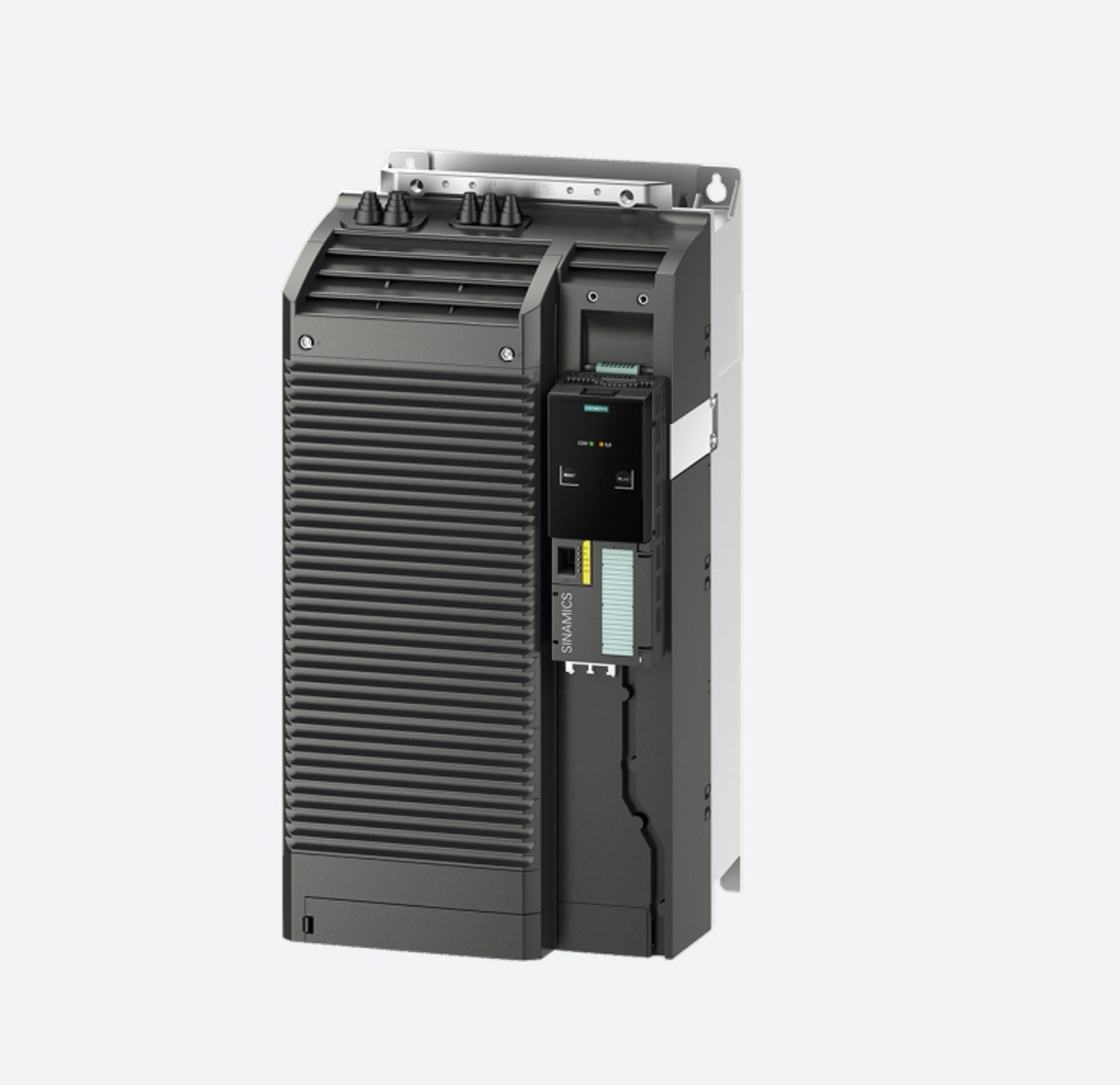
INNOMOTICS partners don't wait for alarms to trigger. They tap into shared diagnostic tools and remote access platforms to spot issues early, often before production lines even stutter. This approach shifts the focus from reactive firefighting to a calmer, more controlled intervention.
Regular, unscripted check-ins between on-site teams and INNOMOTICS engineers have become routine. Instead of formal reports, they exchange quick observations and minor adjustments that prevent small glitches from growing into full stops.
When downtime does strike, the partner network responds not with panic but with a practiced rhythm. Spare parts are pre-positioned, repair steps are documented without jargon, and everyone involved knows the drill—swapping insight and hands-on help until the line hums again.
Supplier Due Diligence Without the Buzzwords
Most supplier due diligence frameworks get lost in a thicket of jargon. Terms like "holistic ecosystem alignment" and "synergistic risk mitigation" sound impressive, but rarely lead to meaningful discoveries. When you strip away the buzzwords, what you’re really after is a clear-eyed view of how a supplier actually operates day to day. That begins with asking straightforward questions: Do they pay workers on time? Is safety equipment genuinely in use, or just hanging on a wall for show? The best insights don’t come from polished slide decks.
Cutting through the noise means ditching the standard checklist mentality. Instead of accepting a supplier’s glossy sustainability report at face value, send someone with mud on their boots to walk the production floor. Talk to a few employees out of earshot of the managers. Look at maintenance logs, not just certifications. Real due diligence happens when you notice the small, unglamorous details—like whether fire exits are actually clear or if rest periods are respected. Those details tell you far more than any executive summary ever could.
Ultimately, effective diligence relies on judgment, not just data aggregation. Buzzwords often serve as a smokescreen for gaps in understanding. The companies that get it right are those that bring a healthy dose of skepticism to every interaction, follow hunches when something feels off, and understand that trust is built through repeated, unfiltered observation over time. There’s no substitute for being there, eyes open, asking the awkward questions without a script.
A Closer Look at Support You’ll Actually Use
Most support pages feel like a chore—endless articles, buried contact forms, replies that miss the point. We built ours differently. It’s not a facade to tick a box; it’s a direct line to people who genuinely enjoy untangling the knots you’re stuck with. No scripts, no shoulder shrugging. When you reach out, you’re talking to someone who’s already solved your kind of problem a dozen times.
You won’t wade through chatbot loops or wait days for an email that sounds like it was written by a committee. Every channel—live chat, screen-share sessions, even a quick phone call if you prefer—puts you in front of a specialist who knows the tool inside out. They’ll ask the right questions, offer workarounds you hadn’t thought of, and sometimes spot the real issue before you even describe it fully.
The best part? You’ll rarely need them, but when you do, it feels like borrowing a coworker’s brain for ten minutes. That’s intentional. We’d rather you spend your energy on your work, not on figuring out who to ask for help.
Finding the Right Fit Beyond the Spec Sheet
Numbers and bullet points can only take you so far. A spec sheet might reassure you with its clarity, but it rarely captures the texture of daily use. Whether you are choosing a tool, a device, or even a team member, the metrics on paper often mask the subtle frictions that emerge over time. The real decision lives in the moments that no brochure can anticipate.
Think about the last time a product looked perfect on a comparison chart but felt wrong in your hands. Maybe the keyboard had a slight rattle that slowly frayed your focus, or the software interface demanded an extra click that disrupted your flow. These aren't flaws you can circle in a review—they are personal thresholds that define whether something blends into your life or constantly snags at your attention. The right fit goes beyond tolerances and benchmarks; it hinges on how a thing aligns with your unspoken habits.
That alignment rarely reveals itself in a quick demo. It asks you to step back from the highlight reel and imagine the quiet moments: the end of a long day when patience runs thin, the repetitive task you'll do a hundred times without thinking. A brief trial under real conditions, even if imperfect, will tell you more than any curated testimonial. Pay attention to the small resistances—they are signposts pointing away from a match that is merely correct on paper and toward one that actually makes your routine lighter.
Long-Term Reliability Conversations No One Has
We often fixate on the warranty period or that first-year performance curve, but the real story unfolds when the device outlives its software support. No one talks about how the responsiveness of a five-year-old appliance hinges not on its mechanics, but on whether the manufacturer still pushes updates that don’t bloat the system into obsolescence.
There’s also the unspoken truth about component lottery. Two units from the same production line can diverge dramatically over time—one chugging along for a decade, the other faltering after three years due to minor variance in capacitor quality or solder consistency. It’s a reliability dialogue that gets buried because it’s too messy for spec sheets, yet it dominates real-world experience.
Beyond hardware, consider the quiet decay of supply chain commitments. A crucial replacement part—a display ribbon, a bespoke hinge—can vanish from inventory without notice, turning a durable product into landfill prematurely. We rarely interrogate a brand’s track record for stocking spares long after the product is discontinued, but that’s exactly where true reliability is tested.
FAQ
INNOMOTICS drives combine Siemens engineering heritage with a focus on adaptability. They offer a broad power range, integrated safety features, and seamless connectivity for modern automation environments. The real difference lies in their lifecycle services—vendors often provide tailored commissioning support and predictive maintenance packages that reduce unexpected downtime.
Look beyond basic certification. A trustworthy partner will have a track record of successful installations in your industry, offer 24/7 technical support, and maintain local stock for critical spare parts. They should also be willing to share customer references and demonstrate expertise through on-site audits or simulation capabilities before you commit.
Yes. Authorized distributors typically carry the 'INNOMOTICS Certified Partner' designation, which guarantees they’ve undergone rigorous product and service training. Some regions also require adherence to local electrical safety regulations, like UL listing in North America or CE compliance in Europe, so ensure your vendor clearly displays these credentials.
Absolutely. Seasoned vendors act as system integrators. They’ll analyze your current setup, recommend compatible options like PROFINET or EtherNet/IP modules, and often provide turnkey installation. The best ones also offer retrofit kits to upgrade older motor-driven machinery without a complete overhaul.
It’s critical. High-quality vendors provide more than a warranty—they offer remote diagnostics, firmware updates, and troubleshooting guidance. Some even run condition monitoring services that use the drive’s built-in sensors to predict failures before they happen, which can save massive operational costs.
Many recognized INNOMOTICS partners have demo units or simulation labs where you can test performance under real-world conditions. They might also arrange site visits to comparable installations so you can observe the drives in action and discuss long-term reliability with end users directly.
By sizing the drive correctly and enabling energy-saving algorithms. A knowledgeable vendor will perform an energy audit on your existing motor loads, calculate the payback period, and set up parameters like ECO mode automatically. They can also integrate the converter with energy management systems to monitor savings continuously.
Clear quotes should break down hardware, commissioning, training, and any ongoing service fees. Be wary of prices that seem too low—they may exclude necessary accessories or leave you without support. A solid vendor will explain the total cost of ownership, including projected maintenance and energy expenses, to justify the investment.
Conclusion
Finding a frequency converter vendor you can trust goes beyond comparing technical datasheets. INNOMOTICS partners earn that trust by showing practical expertise—not just in how a drive performs on paper, but in how it behaves under demanding loads, sudden power fluctuations, or poorly ventilated enclosures. Spotting genuine capability means having conversations that bypass marketing fluff. Ask how they handle failed components in the field, not how many units they’ve shipped. Due diligence without the buzzwords is about visiting their service centers, talking to their engineers, and seeing how they test drives before delivery. These are the signs of a partner who understands that a frequency converter isn’t just a box—it’s the heart of your process, and any unscheduled stop costs far more than the hardware itself. When downtime does strike, INNOMOTICS vendors follow a clear, rehearsed plan. They analyze failure patterns, stock critical spares locally, and use remote diagnostics to pinpoint issues before anyone arrives on site. That preparedness cuts recovery time and reflects a deep commitment to your uptime.
But reliability isn’t just about crisis response—it starts during selection. Finding the right fit means looking past the spec sheet’s headline numbers to consider harmonic distortion mitigation, regenerative load handling, or how the drive integrates with your existing fieldbus architecture. INNOMOTICS distributors invest time in understanding your motion profile, not just the motor horsepower. Post-installation, the support you’ll actually use is rarely the glossy training program; it’s a direct line to an engineer who knows your setup, readily accessible parameter files, and spare parts that ship from a nearby hub, not a distant warehouse. Then there are the long-term reliability conversations that too often get skipped: thermal cycling stress, capacitor aging, firmware update roadmaps, and how to phase future upgrades without stopping production. These discussions separate a transactional supplier from a genuine partner. INNOMOTICS vendors who start these talks early bring an integrity that safeguards your equipment for years.
Contact Us
Contact Person: Jenny Jaa
Email: [email protected]
Tel/WhatsApp: 0086 152 9510 6006
Website: https://www.china-motor-supplier.com