

European-Type Substation Supplier: Powering Efficient Energy Distribution
2026-06-18
As Europe accelerates its transition toward smarter grids and renewable integration, the demand for compact, reliable, and efficient energy distribution has never been greater. European-type substations stand at the heart of this transformation, offering space-saving designs without compromising on performance. When sourcing these critical assets, the choice of supplier can make all the difference in project timelines, safety, and long-term operational costs. That’s where Lugao enters the picture—a partner that combines deep engineering expertise with a proven track record in delivering tailored solutions for diverse energy landscapes. But what truly sets a supplier apart in such a competitive field? In this post, we’ll unpack the key qualities that define top-tier European-type substation manufacturing—and why Lugao’s approach might just be the missing link in your energy infrastructure strategy.
Redefining Substation Design for Modern Grids
Substation design hasn't kept pace with the rapid transformations happening across power networks. Legacy layouts, built for one-way flows from centralized plants, now struggle to accommodate bidirectional energy from rooftop solar, wind farms, and battery storage. Redefining these hubs means moving beyond rigid, copper-heavy configurations toward modular, prefabricated solutions that can scale with demand and integrate diverse sources without costly overhauls. It's about creating flexible nodes that adapt as the grid evolves, not after it's already strained.
The digital layer is where substations truly come alive. Embedding IoT sensors, edge computing, and advanced analytics turns a passive switchyard into a responsive nerve center. Real-time condition monitoring, predictive fault detection, and automated load balancing reduce downtime and extend asset life. Instead of relying on periodic inspections, operators gain continuous visibility, spotting issues like partial discharge or thermal anomalies long before they trigger cascading failures. This intelligence layer shifts maintenance from calendar-based schedules to actual need, saving resources and boosting reliability.
Sustainability also reshapes the physical blueprint. Compact gas-insulated switchgear, solid-state transformers, and greener insulation materials slash land use and eliminate reliance on sulfur hexafluoride, a potent greenhouse gas. Designing with lifecycle carbon in mind—through recyclable components and reduced energy losses—aligns substations with net-zero targets. Pair that with standardized, interoperable interfaces, and these hubs become not just connection points, but active participants in a decentralized, resilient grid that's ready for tomorrow's load profiles and climate pressures.
How Compact Solutions Handle High-Voltage Challenges
Shrinking a high-voltage design isn’t just about packing components tighter—it forces a rethink of insulation, creepage, and thermal management from the ground up. The real trick lies in choosing materials that can withstand intense electrical stress without bulking up. For instance, specialized polymers and ceramic substrates replace traditional air gaps, providing dielectric strength in layers thinner than a human hair. This approach eliminates bulky standoffs and lets engineers route high-energy paths through surprisingly tight spaces, all while meeting stringent safety standards.
Miniaturized high-voltage systems also lean heavily on unconventional layout strategies. Rather than relying on spacing alone, designers shape electric fields with contoured conductors and guard rings, effectively steering potential breakdown away from sensitive nodes. It’s like sculpting invisible barriers—subtle geometries that distribute stress evenly, preventing the corona discharge and arcing that plague cramped designs. Combined with conformal coatings that seal out moisture and contaminants, these techniques let compact modules operate reliably at voltages that would once have demanded enclosures ten times the size.
Thermal behavior becomes another pivotal piece of the puzzle when you compress everything. High voltage inevitably means heat, and in a small footprint, that heat has nowhere to go without clever channeling. Modern solutions often embed heat spreaders directly into the board stackup or use phase-change materials that soak up thermal spikes without adding ducting or fans. By integrating cooling into the very fabric of the device, compact high-voltage designs maintain stable operation even under sustained load, squeezing every watt of capacity out of a package that fits in the palm of your hand.
Inside the Engineering of Low-Maintenance Switchgear
Low-maintenance switchgear doesn't happen by accident—it's the result of deliberate design choices that prioritize durability and ease of service. Engineers start by selecting materials that resist corrosion and wear, like stainless steel for enclosures and silver-plated contacts that minimize oxide buildup. Sealed busbar compartments and vented enclosures manage heat and contamination without needing constant attention. The goal is to create a system where the physical components simply degrade slower, even in harsh industrial settings.
Beyond materials, the internal layout plays a huge role. Access to critical parts—fuses, breakers, control wiring—is streamlined so that inspections take minutes, not hours. Draw-out breaker designs let you remove and service a unit without de-energizing the entire board. Interlocks and clear labeling reduce human error during maintenance, which in turn cuts down on unplanned downtime. It's a practical, almost intuitive approach that values a technician's time.
Modern low-maintenance switchgear also leans on solid-state monitoring instead of mechanical indicators. Sensors track temperature, humidity, and contact wear in real time, sending alerts before problems escalate. Firmware updates can tweak protection curves without opening a panel. This shift removes many of the manual checklists that older gear demanded, keeping the focus on predictive care rather than reactive fixes.
Tailoring Power Distribution to Industrial and Urban Needs
Modern power grids face a delicate balancing act, as the energy requirements of heavy industry often clash with the fluctuating demands of urban centers. Factories and manufacturing plants crave massive, uninterrupted supplies of electricity to run machinery and maintain output, while cities see sharp spikes during morning commutes and evening peaks. To bridge this gap, utilities are deploying dynamic load-shifting strategies, routing excess capacity from industrial zones during off-peak hours to residential areas when needed, and vice versa. This requires a nimble infrastructure capable of sensing real-time consumption patterns and adjusting flows instantaneously.
Customizing distribution also means tailoring the physical components of the grid itself. Industrial parks benefit from rugged, high-voltage feeders that minimize losses over long distances, whereas urban neighborhoods rely on compact, underground networks that prioritize safety and aesthetics. Smart transformers at key junctions can modulate voltage levels on the fly, ensuring that sensitive commercial equipment doesn’t suffer fluctuations caused by a nearby steel mill’s startup surge. These choices are never one-size-fits-all; they demand deep collaboration between grid planners, city officials, and plant managers.
The economic incentives for precision distribution are increasingly hard to ignore. Industries that once operated their own captive power plants are reconnecting to the main grid, drawn by the promise of selling surplus energy during idle periods. Meanwhile, cities are leveraging this hybrid approach to keep data centers and EV charging hubs humming without overbuilding capacity. The endgame is a system where every watt has a purpose, dispatched not from a monolithic pool but through a web of intelligent nodes that understand the distinct rhythms of factory floor and living room alike.
Meeting Stringent European Safety and Environmental Standards
Navigating the complex landscape of European regulations requires more than just a cursory nod to compliance. Products destined for European markets must undergo rigorous testing to meet CE marking requirements, which verify adherence to directives covering everything from electromagnetic compatibility to machinery safety. This process often involves accredited third-party labs that push equipment to its limits, ensuring it can withstand real-world stresses without posing risks to users. The emphasis is always on proactive design, integrating safety features that become inseparable from the product's core functionality.
Environmental standards add another layer of scrutiny, with frameworks like REACH and RoHS shaping how materials are sourced and disposed of. It's no longer enough to simply avoid a handful of restricted substances; manufacturers must document every chemical component, evaluate their long-term impact, and offer transparent recycling pathways. This means rethinking supply chains from the ground up—favouring suppliers who can provide full material declarations and embracing design philosophies that minimize waste. The result is a product that not only respects the planet but also aligns with the growing customer expectation for responsible stewardship.
Achieving compliance is a continuous effort rather than a one-time checkbox. Regular audits, updated technical files, and close collaboration with notified bodies keep a company attuned to evolving requirements. When done right, this diligence becomes a competitive advantage, signaling to partners and consumers alike that safety and sustainability aren't afterthoughts—they're embedded in every stage of development.
From Factory Testing to On-Site Reliability: A Seamless Process
Every system we build undergoes rigorous factory acceptance testing before it ever leaves our facility. This phase is more than a checklist—it’s a deep dive into performance under simulated real-world conditions, where we push components to their limits and validate every functional nuance. By the time a unit ships, it carries a documented history of passing stringent criteria, from electrical safety to load handling, setting the stage for what comes next.
The transition to on-site commissioning is where theory meets application, but the groundwork laid in the factory prevents typical surprises. Our engineers arrive equipped not only with the equipment but with comprehensive test data that informs every connection, calibration, and system integration. Because the factory phase already addressed potential weak points, the on-site work shifts from troubleshooting to fine-tuning, drastically reducing downtime and ensuring that the transition feels less like a new installation and more like a natural extension of an already-proven system.
Once operational, the reliability that follows isn’t left to chance. The seamless thread from factory testing means that on-site performance mirrors the controlled results we saw back at our facility, only now in the real application. This continuity fosters a maintenance experience where historical data points guide predictive upkeep, and any anomaly can be traced back to a baseline established long before installation. In the end, it’s a process designed not just to deliver a working product, but to instill confidence that what was tested is what will endure.
FAQ
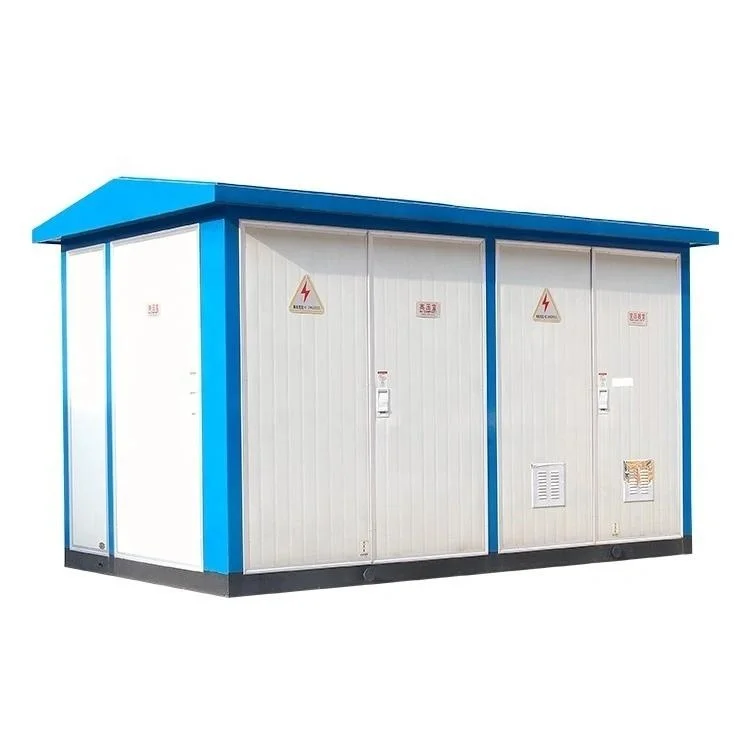
European-type substations are compact, prefabricated units that house transformers, high- and low-voltage switchgear, and control systems within a single robust enclosure. Unlike traditional open-air or building-based substations, these units are fully factory-assembled and tested, which slashes on-site construction time and ensures consistent quality. Their design emphasizes safety, weather resistance, and a smaller footprint—perfect for tight urban spaces or remote sites.
A reputable supplier focuses on rigorous component selection, using IEC-standard equipment and conducting full-system testing before shipment. They integrate monitoring systems for real-time diagnostics, and the enclosures are built to withstand harsh climates with corrosion-resistant materials. Ongoing support, from installation supervision to maintenance planning, also cements long-term reliability.
They serve a broad range of sectors—urban distribution networks, industrial parks, renewable energy integration (like solar and wind farms), temporary power for construction sites, and mining operations. Essentially, anywhere that needs safe, efficient step-down or step-up voltage conversion with minimal setup hassle.
Almost every aspect can be tailored: transformer rating (from a few hundred kVA up to several MVA), switchgear configuration, enclosure dimensions, ingress protection rating, and even color/finish. Suppliers often work closely with clients to match specific grid requirements or site constraints, producing a unit that feels bespoke rather than off-the-shelf.
Safety is a cornerstone. Features include arc-fault containment, interlocking mechanisms that prevent accidental access to live parts, pressure relief vents for internal arcing faults, and comprehensive earthing systems. The sealed enclosure also protects against wildlife intrusion and reduces electromagnetic field exposure.
Yes, they are often equipped with advanced switchgear and smart controllers that manage voltage variations and reactive power. They can integrate with energy storage systems and accommodate bidirectional power flows from distributed generation, making them a solid choice for modern grids with high renewable penetration.
Look for proven manufacturing expertise, references from similar projects, and a track record of on-time delivery. A supplier that offers full project engineering—from design to commissioning—and after-sales technical support indicates a partner rather than just a vendor. Certification to ISO standards and deep knowledge of local grid codes are non-negotiable.
Conclusion
Modern energy distribution demands a fresh approach to substation design, one that prioritizes efficiency without sacrificing performance. European-type substation suppliers are at the forefront of this transformation, redefining traditional concepts to align with the dynamic requirements of contemporary grids. By embracing compact architectures, these solutions adeptly manage high-voltage challenges while maximizing space utilization—a critical advantage in densely populated urban and industrial settings. Inside these units, the engineering of low-maintenance switchgear ensures long-term operational reliability, reducing the need for frequent interventions and lowering total lifecycle costs. Such innovations are not merely incremental; they represent a fundamental shift toward smarter, more resilient energy infrastructure.
Beyond hardware, these suppliers excel at tailoring power distribution systems to the unique demands of each client, whether for heavy industry or urban utilities. Customization goes hand-in-hand with compliance, as every component is designed to meet stringent European safety and environmental standards, guaranteeing both human and ecological well-being. The journey from concept to commissioning is seamless: rigorous factory testing validates performance under extreme conditions, while a structured on-site deployment process ensures that reliability is built in from day one. This holistic approach—merging design ingenuity, regulatory adherence, and verified performance—empowers a new era of energy distribution that is as safe as it is efficient.
Contact Us
Contact Person: Doreen
Email: [email protected]
Tel/WhatsApp: 8618057712366
Website: https://www.liugaopower.com/