

Copper and Aluminum: Top Non-Ferrous Metals Shaping Industries
2026-02-20
In the vast landscape of industrial materials, copper and aluminum stand out as the dynamic duo revolutionizing modern sectors. From aerospace to electronics, these non-ferrous metals are not just components—they are the driving force behind innovation and efficiency. Here at GRM, we are deeply committed to advancing the production and application of these essential materials, ensuring they meet the ever-evolving demands of industry. This blog delves into how copper and aluminum are shaping our world, offering insights that will inspire your next project or investment. Stay tuned to discover why these metals are more than just resources—they are the key to unlocking a sustainable and high-performance future.
The Essential Role of Copper in Electrical and Wiring Applications
Picture a world without the reliable hum of electricity powering our devices and homes—copper makes this silent marvel possible. As a conductor, copper stands out for its exceptional electrical properties, allowing electrons to flow with minimal resistance, which translates to efficient energy transfer and reduced heat generation. This isn't just theory; copper's versatility shines in everything from tiny circuit boards in smartphones to hefty power grids, ensuring that electrical systems run smoothly and safely.
Beyond its technical prowess, copper's durability plays a key role in wiring applications, where it resists corrosion and withstands environmental stresses over decades. Imagine old buildings still wired with copper that outlasts trends, a testament to its longevity. Its malleability also makes installation a breeze, letting electricians bend and shape it without worry, which is why it's the go-to choice in residential and industrial settings alike, blending practicality with performance.
In an era focused on sustainability, copper's recyclability adds another layer of importance, as it can be reused without losing its conductive qualities, supporting eco-friendly initiatives. This metal isn't just a passive component; it actively enables innovations like renewable energy systems and electric vehicles, where high conductivity and reliability are non-negotiable. So, next time you flip a switch, remember that copper is the unsung hero keeping the lights on and the future bright.
Aluminum's Lightweight Properties Revolutionizing Aerospace and Automotive Sectors
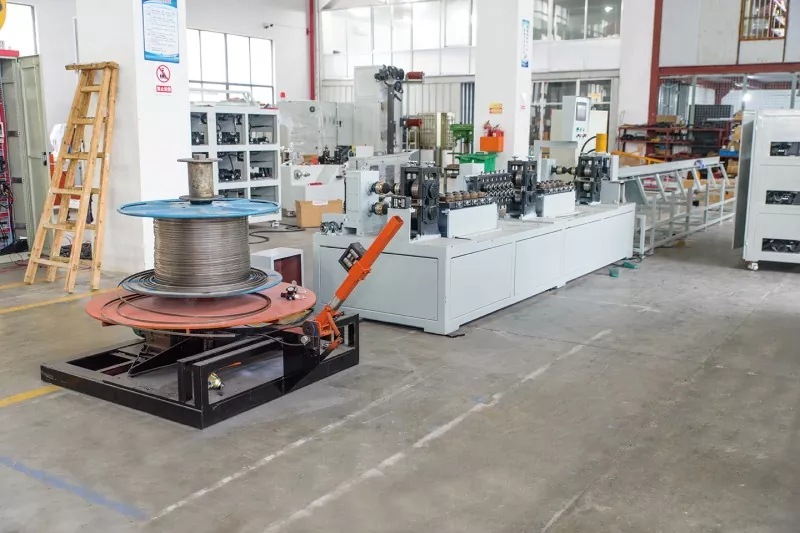
In aerospace engineering, aluminum's low density coupled with impressive strength has become a cornerstone for modern aircraft design. By reducing weight significantly without compromising structural integrity, aluminum alloys allow planes to consume less fuel, thereby cutting operational costs and lowering carbon emissions. This material's adaptability enables engineers to craft intricate components like fuselage frames and wing assemblies that would be impractical with heavier alternatives. Recent advancements in aluminum-lithium alloys further push boundaries, offering even greater weight savings and enhanced performance for next-generation commercial and military aircraft.
The automotive industry has similarly embraced aluminum's lightweight nature to meet stringent fuel efficiency regulations and consumer demands for sustainability. From luxury sedans to electric vehicles, manufacturers are increasingly replacing traditional steel parts with aluminum in body panels, engine blocks, and chassis structures. This shift not only improves acceleration and handling by lowering the overall vehicle mass but also extends battery range in EVs by reducing energy consumption. For example, the widespread use of aluminum in high-performance models demonstrates how material innovation directly translates to better driving dynamics and environmental benefits.
Beyond basic weight reduction, aluminum's corrosion resistance and recyclability add long-term value to both sectors. In aerospace, this ensures longevity and safety in harsh flight conditions, while automotive applications benefit from longer-lasting parts that require less maintenance. The ability to recycle aluminum repeatedly without losing quality supports circular economy goals, making it a sustainable choice that resonates with eco-conscious industries. As research continues into hybrid materials and advanced manufacturing techniques, aluminum is poised to remain at the forefront of design revolutions, driving efficiency and innovation far into the future.
Innovations in Copper Mining and Recycling for Sustainable Industrial Use
Copper mining has traditionally been an energy-intensive process, but recent advancements are reshaping the industry towards greater sustainability. In extraction, innovations like bioleaching use microorganisms to dissolve copper from ores, reducing the need for harmful chemicals and lowering carbon emissions. Automated drilling and real-time monitoring systems enhance efficiency, minimizing waste and environmental impact. These methods not only boost productivity but also align with global efforts to conserve resources, ensuring copper remains a vital material for industries without compromising ecological balance.
Recycling copper is a key pillar of sustainable industrial use, with cutting-edge technologies driving significant improvements. Smelters now employ advanced sorting techniques, such as sensor-based separation and hydrometallurgical processes, to recover high-purity copper from complex waste streams like electronic scrap. This reduces reliance on virgin ore and cuts energy consumption by up to 85% compared to primary production. By integrating closed-loop systems, industries can extend copper's lifecycle, making it a cornerstone of circular economies and reducing overall environmental footprints.
To meet growing demand sustainably, the integration of mining and recycling innovations is crucial. Smart grids and Industry 4.0 technologies enable better tracking of copper flows, optimizing supply chains for minimal waste. Research into alternative materials, like copper alloys with improved durability, further supports long-term use. These efforts, combined with policy incentives for greener practices, ensure copper continues to power sectors from electronics to renewable energy, fostering a resilient and eco-friendly industrial framework for the future.
How Aluminum Alloys Enhance Durability in Construction and Infrastructure
Aluminum alloys bring a remarkable blend of strength and lightweight properties to construction, significantly extending the lifespan of structures. Unlike traditional materials like steel, which can corrode over time, aluminum naturally forms a protective oxide layer that resists weathering and environmental damage. This inherent durability means that buildings, bridges, and other infrastructure projects can withstand harsh conditions—from salty coastal air to industrial pollution—without requiring frequent maintenance or replacements. For instance, in skyscraper cladding or long-span bridges, aluminum alloys provide a reliable shield against degradation, ensuring safety and longevity for decades.
Beyond corrosion resistance, aluminum alloys excel in their ability to absorb and dissipate stress, which is crucial for infrastructure coping with dynamic loads such as traffic, earthquakes, or high winds. Advanced alloy compositions, including series like 6000 and 7000, are engineered to offer high tensile strength and fatigue resistance, reducing the risk of cracks or failures under pressure. This makes them ideal for applications like roofing systems, where thermal expansion and contraction are common, or in transport networks where durability under constant use is paramount. By minimizing structural wear, these alloys help maintain integrity over time, cutting costs and enhancing reliability.
In modern construction, the adaptability of aluminum alloys also contributes to durability through innovative designs that merge aesthetics with function. They enable the creation of complex shapes and modular components that fit together seamlessly, reducing weak points and potential points of failure. For example, in sustainable building projects, aluminum alloys are often used in energy-efficient windows or green roofing, where their durability supports long-term performance goals. This versatility not only boosts resilience but also aligns with evolving industry standards, making aluminum a forward-thinking choice for enduring infrastructure worldwide.
Copper's Antimicrobial Features Advancing Healthcare and Building Safety
Copper's natural antimicrobial properties have gained significant attention in recent years, particularly in healthcare settings where preventing infection is paramount. Unlike many other materials, copper actively kills a wide range of pathogens on contact, including bacteria like MRSA and viruses such as influenza. This makes it an invaluable tool in hospitals and clinics, where doorknobs, bed rails, and countertops can become breeding grounds for harmful microbes. By integrating copper into high-touch surfaces, medical facilities can reduce the risk of hospital-acquired infections, leading to improved patient outcomes and lower healthcare costs. For instance, studies have shown that copper surfaces in intensive care units can reduce microbial contamination by over 90%, showcasing its practical impact.
Beyond healthcare, copper's antimicrobial features are revolutionizing building safety, especially in public spaces where hygiene is a growing concern. In schools, offices, and transportation hubs, items like handrails, elevator buttons, and light switches made from copper alloys can continuously suppress germs without the need for chemical disinfectants. This not only enhances cleanliness but also promotes sustainability by reducing reliance on harsh cleaning agents. As awareness of indoor air quality and surface sanitation increases, architects and designers are increasingly opting for copper fixtures to create healthier environments. This shift is supported by research indicating that copper surfaces remain effective even with frequent use, providing long-term protection against outbreaks.
What sets copper apart is its proactive nature; it doesn't just resist microbes but actively eliminates them through a process called contact killing. This mechanism involves the release of copper ions that disrupt cellular functions in microorganisms, leading to their rapid death. Unlike passive solutions that require regular cleaning, copper offers a continuous defense, making it ideal for high-traffic areas where maintaining hygiene is challenging. As global health challenges like pandemics highlight the need for resilient infrastructure, copper's role in advancing safety is becoming more prominent, bridging the gap between traditional materials and innovative, health-focused design. Its versatility and proven efficacy ensure it remains a key player in both medical and architectural fields.
The Growing Demand for Aluminum in Renewable Energy and Green Technology
As the global shift toward renewable energy and green technology accelerates, aluminum has emerged as a surprisingly pivotal material in driving this transformation. Its remarkable properties—like lightweightness, corrosion resistance, and recyclability—are increasingly sought after for applications ranging from solar panel frames to electric vehicle components. In wind energy, for instance, aluminum alloys are used in turbine blades and nacelles to reduce weight without compromising strength, enhancing efficiency and lowering installation costs. This trend is not just a temporary spike but a structural change in demand, as industries prioritize sustainability and energy efficiency, pushing aluminum into roles once dominated by heavier or less eco-friendly alternatives.
FAQ
Copper is known for its superior electrical conductivity, making it a key component in power transmission cables, electrical wiring, and electronics such as circuit boards and motors. In contrast, aluminum has lower conductivity but offers advantages in lighter weight and cost-effectiveness, leading to its use in overhead power lines and automotive wiring. Industries like electrical, telecommunications, and automotive depend heavily on these metals for efficient energy transfer and vehicle performance.
In construction, copper is often used for roofing, plumbing pipes, and electrical systems due to its durability, corrosion resistance, and aesthetic appeal. Aluminum, on the other hand, is favored for structural frames, window frames, and cladding because of its lightweight nature, strength, and ability to form alloys. These materials help enhance building longevity, energy efficiency, and design flexibility across residential and commercial projects.
Mining copper and aluminum can lead to habitat destruction, water pollution, and greenhouse gas emissions; for example, aluminum production is energy-intensive. However, recycling these metals significantly reduces environmental impacts—aluminum recycling saves up to 95% of energy compared to primary production. Industries are adopting sustainable practices like closed-loop recycling and using renewable energy in processing to minimize their ecological footprint.
Copper is essential in EVs for components such as batteries, motors, and charging infrastructure due to its high conductivity and thermal properties. Aluminum is widely used for lightweight body structures, frames, and heat exchangers, helping improve vehicle range and efficiency. Together, these metals support the transition to greener transportation by enhancing performance and reducing overall weight in EV manufacturing.
Copper is critical in solar panels, wind turbines, and energy storage systems for its role in conducting electricity and heat efficiently. Aluminum is gaining traction in lightweight solar panel frames, heat sinks for electronics, and components in hydrogen fuel cells. These applications drive advancements in clean energy, making renewable sources more accessible and sustainable for global industries.
Supply chains for copper and aluminum are influenced by factors like mining output in countries like Chile and China, geopolitical tensions, and trade policies. Disruptions can arise from labor strikes, political instability, or environmental regulations, affecting prices and availability. Industry strategies include diversifying sources and increasing recycling efforts to stabilize markets and ensure reliable access for manufacturing and construction needs.
In aerospace, aluminum is extensively used for aircraft frames, wings, and fuselages due to its high strength-to-weight ratio and corrosion resistance. Copper finds applications in avionics, electrical systems, and thermal management components because of its excellent conductivity and durability. These metals are crucial for enhancing safety, fuel efficiency, and overall performance in both commercial and military aviation.
Conclusion
Copper and aluminum, as premier non-ferrous metals, fundamentally transform industries through their distinct yet complementary properties. Copper's exceptional conductivity and durability make it indispensable in electrical and wiring applications, while its antimicrobial features are revolutionizing healthcare and building safety by reducing pathogen transmission. Simultaneously, aluminum's lightweight nature is driving innovation in aerospace and automotive sectors, enabling fuel efficiency and enhanced performance. Sustainable practices in copper mining and recycling further support industrial use, ensuring long-term resource availability without compromising environmental goals. The synergy between these metals highlights their integral roles in modern infrastructure, from powering homes to advancing medical technologies, showcasing their unparalleled ability to meet diverse industrial demands while prioritizing safety and efficiency.
In construction and infrastructure, aluminum alloys enhance durability and resilience, allowing for robust yet lightweight structures that withstand harsh conditions, while copper's recyclability promotes eco-friendly cycles in manufacturing. Aluminum's growing demand in renewable energy and green technology underscores its versatility, being crucial for solar panels, wind turbines, and electric vehicles, thus accelerating the transition to sustainable solutions. Together, these metals not only shape current industrial landscapes but also pave the way for future innovations, balancing performance with environmental stewardship. Their ongoing evolution—from improved mining techniques to advanced alloy development—ensures that copper and aluminum remain at the forefront of industrial progress, driving growth across sectors while adapting to global challenges like climate change and resource scarcity.
Contact Us
Contact Person: Rayna
Email: [email protected]
Tel/WhatsApp: 86 -173 1474 6343
Website: https://www.grmrollingmill.com/