
Complete Rolling Mill Lines: Maximizing Your Metal Production Efficiency
2026-03-11
In the ever-evolving world of metal production, efficiency isn't just a goal—it's a necessity. As industries push for higher output and superior quality, the backbone of this process lies in the machinery that shapes raw materials into precision-engineered products. At the heart of this transformation are complete rolling mill lines, which hold the power to revolutionize how metals are processed. At GRM, we understand that optimizing these systems isn't just about technology; it's about unlocking potential and driving innovation. In this blog, we'll dive into how advanced rolling mill solutions can maximize your production efficiency, reduce costs, and elevate your competitive edge. Whether you're a seasoned engineer or a decision-maker in the manufacturing sector, you'll discover actionable insights that blend cutting-edge techniques with real-world applications. Let's explore the future of metal production together—where every roll counts and every line is a step toward excellence. Stay tuned to learn how GRM's expertise can transform your operations and set new standards in the industry.
Maximizing Metal Production with Advanced Rolling Mill Lines
Advanced rolling mill lines are revolutionizing metal production by integrating cutting-edge technologies like artificial intelligence and IoT sensors. These systems enable real-time monitoring and adaptive control of the rolling process, reducing downtime and optimizing throughput. By leveraging predictive maintenance and automation, manufacturers can achieve unprecedented precision in shaping metals, leading to higher yields and minimal waste.
Key innovations include high-speed rolling mechanisms and energy-efficient designs that slash operational costs while boosting output. For instance, modern mills often feature direct-drive motors and advanced cooling systems, allowing for faster production cycles without compromising material quality. This translates to a more agile response to market demands, ensuring companies stay competitive in industries ranging from automotive to construction.
Beyond efficiency, these advanced lines enhance sustainability by recycling heat and reducing emissions, aligning with global environmental goals. As industries seek to scale production sustainably, investing in such technology is not just an upgrade—it's a strategic move toward a smarter, greener manufacturing future.
Key Features of High-Efficiency Rolling Mill Systems
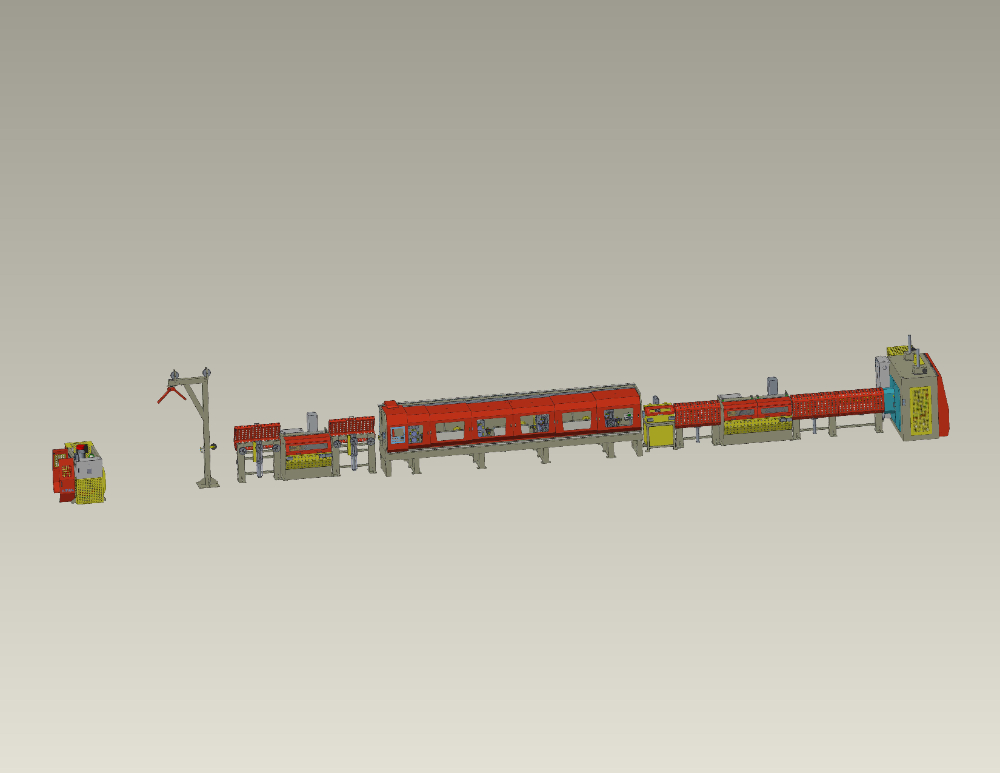
High-efficiency rolling mill systems stand out with their advanced automation capabilities, which streamline production workflows from start to finish. By integrating real-time monitoring and adaptive control mechanisms, these mills adjust parameters on the fly, cutting down material waste and boosting output quality. This smart automation reduces human error and allows for continuous operation, a game-changer for industries seeking consistency in high-volume production.
Another standout feature is their energy-saving design, incorporating regenerative drives and optimized cooling systems that slash power consumption significantly. Unlike traditional setups, these mills recapture kinetic energy during deceleration, feeding it back into the grid—this not only lowers operational costs but also supports greener manufacturing practices. Coupled with lightweight, durable materials in key components, they operate more smoothly and with less wear over time.
Flexibility is a core advantage, as these systems are engineered to handle diverse materials and product specifications with minimal retooling. Through modular configurations and quick-change mechanisms, they can switch between tasks efficiently, making them ideal for modern production lines that demand rapid adaptation to market shifts. This versatility, backed by robust data analytics, helps companies stay competitive by reducing setup times and enhancing overall throughput.
Optimizing Workflow for Superior Metal Quality
Achieving superior metal quality isn't just about having the right equipment or raw materials—it's about refining every step in the production chain. By optimizing workflows, manufacturers can identify bottlenecks, reduce waste, and ensure consistency from melt to finished product. This approach often involves integrating real-time monitoring systems that track temperature, composition, and structural integrity, allowing for immediate adjustments that prevent defects before they escalate. When each process is streamlined, the result is metal that meets exact specifications every time, enhancing durability and performance in demanding applications.
A key aspect of workflow optimization lies in fostering collaboration between engineering, quality control, and operations teams. Instead of working in silos, cross-functional communication ensures that insights from one stage inform decisions in another, leading to continuous improvement. For instance, feedback from post-production testing might reveal a need to tweak annealing parameters, which can then be quickly implemented to boost tensile strength or corrosion resistance. This iterative, data-driven process not only elevates quality but also accelerates innovation, setting a foundation for producing metals that lead the market in reliability and precision.
Beyond technical adjustments, optimizing workflows extends to training and empowering frontline workers. Skilled operators who understand the nuances of metal behavior can make split-second decisions that automated systems might miss, such as detecting subtle variations in cooling rates that affect grain structure. When employees are equipped with both advanced tools and deep expertise, they become proactive guardians of quality, capable of fine-tuning processes to achieve exceptional results. In this way, a holistic approach to workflow optimization transforms production lines into dynamic ecosystems where every element contributes to crafting metals of unparalleled excellence.
Innovative Technologies in Modern Rolling Mill Design
In today's competitive steel industry, modern rolling mill design integrates cutting-edge technologies to enhance precision and efficiency. Advanced automation systems, such as AI-driven process control, allow for real-time monitoring of parameters like temperature and pressure, minimizing defects and reducing downtime. Sensor networks collect vast data streams, enabling operators to make informed adjustments on the fly, ensuring consistent product quality across high-volume production lines. This shift toward intelligent machinery not only boosts output but also lowers energy consumption, contributing to sustainable practices in manufacturing.
Another key innovation is the adoption of digital twins, which create virtual replicas of physical mills for simulation and optimization. Engineers use these models to test new configurations or predict wear patterns without interrupting actual operations, leading to smarter maintenance schedules and extended equipment life. Coupled with cloud computing, this technology facilitates global collaboration among teams, allowing for rapid deployment of custom solutions tailored to specific alloys or product dimensions. By bridging the gap between design and execution, digital twins empower mills to adapt quickly to market demands while maintaining rigorous safety standards.
Furthermore, material science advancements play a pivotal role, with developments in high-strength alloys and coatings enhancing durability and reducing friction during rolling processes. Innovations like nanostructured surfaces improve product finish and longevity, while additive manufacturing techniques enable the production of complex mill components with reduced lead times. These technologies, combined with a focus on human-centric design, foster a more intuitive interface for operators, blending technical prowess with ergonomic considerations to create mills that are both powerful and user-friendly.
Enhancing Productivity Through Streamlined Operations
Imagine your business as a well-oiled machine, where each part moves seamlessly to boost output without extra effort. Streamlined operations are the key to this efficiency—they cut through the clutter of unnecessary steps and outdated processes. By aligning workflows with clear goals, companies can reduce bottlenecks and empower teams to focus on what truly matters, leading to a noticeable uptick in daily productivity.
At the heart of this transformation lies a shift from rigid hierarchies to agile, cross-functional collaboration. Tools like automated task management and real-time data analytics allow employees to make faster decisions and adapt to changes on the fly. This not only speeds up project timelines but also fosters a culture where innovation thrives, turning small improvements into significant gains over time.
Ultimately, streamlined operations aren't just about doing more in less time; they're about creating a sustainable pace that enhances quality and employee satisfaction. By regularly reviewing and refining processes, organizations can stay ahead of industry trends, ensuring that productivity gains are long-lasting and adaptable to future challenges.
Customized Solutions for Diverse Metal Manufacturing Needs
Every metal manufacturing project starts with a unique set of requirements, from material specifications to production timelines. We dive deep into your specific challenges, designing tailored solutions that optimize efficiency and quality without compromising on flexibility. Whether you need precision components for aerospace or durable structures for construction, our approach adapts to fit your exact goals, ensuring each piece not only meets but exceeds expectations.
Beyond standard offerings, our process involves close collaboration with clients to refine designs and production methods, allowing us to handle complex geometries and custom alloys with ease. This hands-on partnership leads to innovations in fabrication and finishing, turning unique ideas into high-performance metal products that stand out in competitive markets.
From prototyping to full-scale production, our capabilities scale seamlessly to support diverse industries like automotive, renewable energy, and heavy machinery. By integrating advanced technology with skilled craftsmanship, we deliver consistent results that drive success, helping you navigate ever-changing demands with confidence.
FAQ
Complete Rolling Mill Lines are integrated systems used in metal processing to roll raw materials into finished products like sheets, bars, or rods. They matter because they streamline production, reduce waste, and enhance precision, directly boosting overall efficiency by handling all stages from initial heating to final shaping in one continuous flow, minimizing downtime and energy consumption.
Unlike traditional setups that rely on separate, often disconnected equipment, Complete Rolling Mill Lines integrate all processes into a single automated system. This eliminates manual handling between steps, reduces material transfer delays, and ensures consistent quality, leading to significant efficiency gains through faster throughput, lower labor costs, and better resource utilization.
Manufacturers should consider factors like the type of metal being processed, production volume, initial investment costs, maintenance requirements, and compatibility with existing infrastructure. Additionally, focusing on automation levels, energy-efficient technologies, and skilled operator training can further optimize efficiency and ensure smooth integration.
Yes, they can be highly customized to handle various metals like steel, aluminum, or copper, and scaled from small-batch to high-volume production. Customization impacts efficiency by tailoring the line's speed, temperature controls, and rolling mechanisms to specific material properties, reducing defects and optimizing output for diverse applications.
Common challenges include equipment wear, alignment issues, energy overconsumption, and operator errors. To address these, regular preventive maintenance, real-time monitoring systems, advanced lubrication, and continuous staff training are essential, helping to minimize disruptions and sustain peak performance over time.
Emerging trends include AI-driven predictive maintenance, IoT sensors for real-time data analytics, and automation with robotics. These technologies can enhance efficiency by enabling proactive adjustments, reducing unplanned downtime, and optimizing energy use, making mills smarter and more adaptable to changing production demands.
Conclusion
Modern rolling mill systems have revolutionized metal production by integrating advanced technologies and streamlined workflows. High-efficiency rolling mill lines maximize metal output through innovative designs that enhance precision and reduce downtime. Key features include automated controls, energy-efficient motors, and real-time monitoring systems, which collectively boost productivity while maintaining consistent quality. By optimizing workflow, these systems minimize material waste and ensure superior metal properties, catering to diverse manufacturing needs with customized solutions.
Innovative technologies, such as AI-driven predictive maintenance and adaptive rolling techniques, further elevate production efficiency. Streamlined operations integrate seamlessly with existing processes, allowing for flexible adaptation to various metal types and specifications. This holistic approach not only enhances throughput but also improves overall equipment effectiveness, making complete rolling mill lines indispensable for competitive metal manufacturing. Embracing these advancements enables producers to achieve higher yields, lower costs, and sustainable growth in a dynamic industrial landscape.
Contact Us
Contact Person: Rayna
Email: [email protected]
Tel/WhatsApp: 86 -173 1474 6343
Website: https://www.grmrollingmill.com/